
Stock Scanners
Trade Ideas Review
An independent look at Trade Ideas and its Holly AI: what the scanner does, how the AI really works, current pricing, and who should actually buy it.
Reviews of 36 tools day traders use to find, chart, place and review trades. Each one covers the features, pricing tiers, data fees and limitations, and who the tool is and isn't built for.
The tools we cover most, each with a full review plus follow-up analysis, comparisons and tutorials.
Stock Scanners
An independent look at Trade Ideas and its Holly AI: what the scanner does, how the AI really works, current pricing, and who should actually buy it.
Chat Rooms & Courses
Honest Investors Underground review: pricing, features, Nathan Michaud's courses & chat rooms. Is this $1,897/year community worth it? We evaluate it.
Trading Journals
An independent review of TraderSync: analytics quality, Cypher AI, 700+ broker integrations, pricing tiers, and whether it fits your journaling workflow.
Stock Scanners
An independent review of Finviz's screener, heat maps, and Elite tier — current pricing, real-time data coverage, and whether the upgrade is worth it for you.
Charting Software
An independent review of TradingView's charting, screener, Pine Script, and broker integration — current 2026 pricing across all tiers, who should pay.
Charting Software
Our 2026 TrendSpider review — full breakdown of Sidekick AI, AI Strategy Lab, automated trendlines, and backtesting. Pricing, pros, cons, who it's for.
A stock scanner searches the market in real time for stocks that meet conditions you set, such as unusual volume, a gap from the prior close, a new high of day or a news catalyst. For day trading, compare whether scans update in real time, how many filters and alerts you can combine, and whether a scan's past results can be backtested.
An independent review of Finviz's screener, heat maps, and Elite tier — current pricing, real-time data coverage, and whether the upgrade is worth it for you.
Is Finviz Elite worth it? A cost-value breakdown by trader type, using real 2026 pricing, to help you decide if the upgrade fits your trading style.
An independent look at Trade Ideas and its Holly AI: what the scanner does, how the AI really works, current pricing, and who should actually buy it.
An independent review of Black Box Stocks: its options flow scanner, dark pool data, pricing tiers, community features, and who it's actually built for.
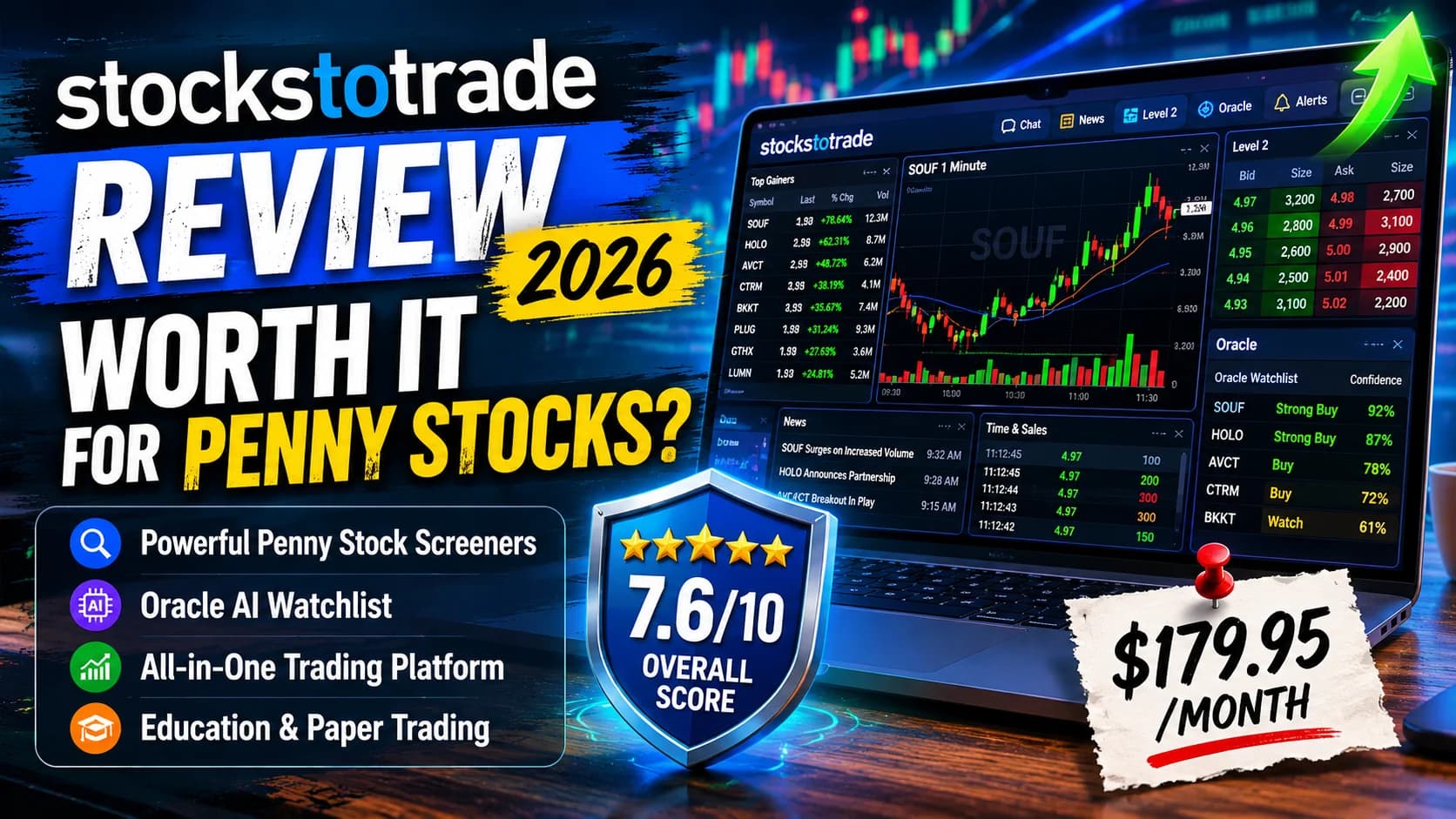
StocksToTrade review: we tested its penny-stock scanners, Oracle AI, and $179.95/mo price. See whether it earns its cost — and who should pass.
Scanz review for day traders: we tested its real-time scanner, fast news feed, and $89–$199/mo pricing. See who it fits — and who should skip it.
Charting software plots price, volume and indicators so you can plan entries, stops and exits. Compare chart speed, multi-chart layouts, the indicator and drawing library, whether real-time exchange data costs extra, and whether you can place orders from the chart.
An independent review of TradingView's charting, screener, Pine Script, and broker integration — current 2026 pricing across all tiers, who should pay.
An independent cost-value breakdown of TradingView across four trading styles, using real 2026 pricing, to help you decide which tier is worth paying for.
Our 2026 TrendSpider review — full breakdown of Sidekick AI, AI Strategy Lab, automated trendlines, and backtesting. Pricing, pros, cons, who it's for.
An independent cost-value breakdown of TrendSpider across three trader profiles, using real 2026 pricing, to help you decide if it's worth paying for.
This guide evaluates StockCharts for day trading — charting depth, scan speed, the 15-second refresh problem, and who it fits, and who should skip it.
Our in-depth TC2000 review covers EasyScan speed, PCF formulas, charting depth, options workflow, integrated brokerage, and exactly who should use it in 2026.
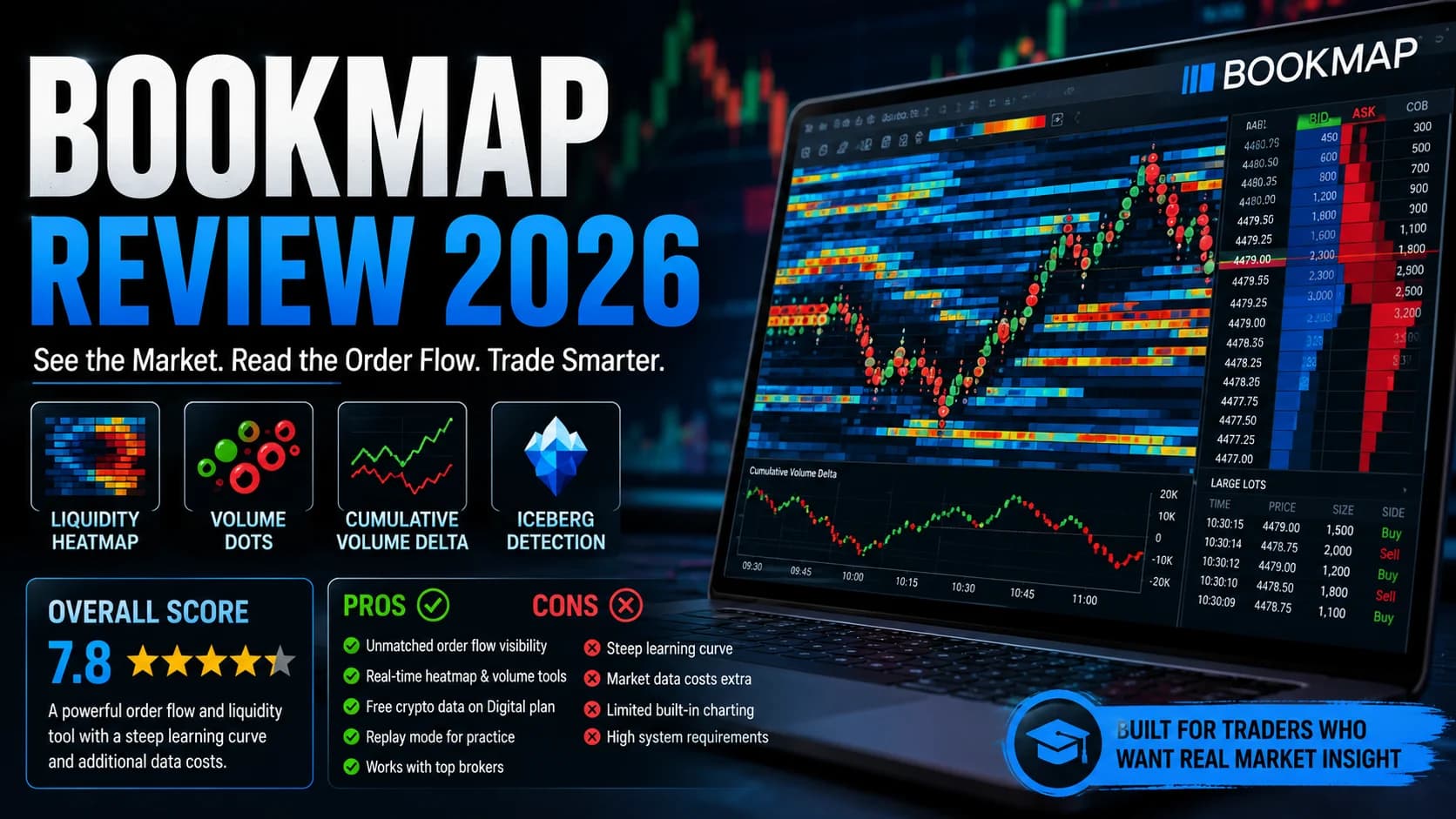
An independent, research-based look at Bookmap's order flow heatmap, pricing tiers, and learning curve — and whether it earns a spot in your trading setup.
Your broker and its trading platform decide how fast orders fill, what each trade really costs and which stocks you can short. Compare the commission structure (per share or per trade), order routing, short locate availability, margin rates, hotkeys and Level 2 data, not only the headline commission.
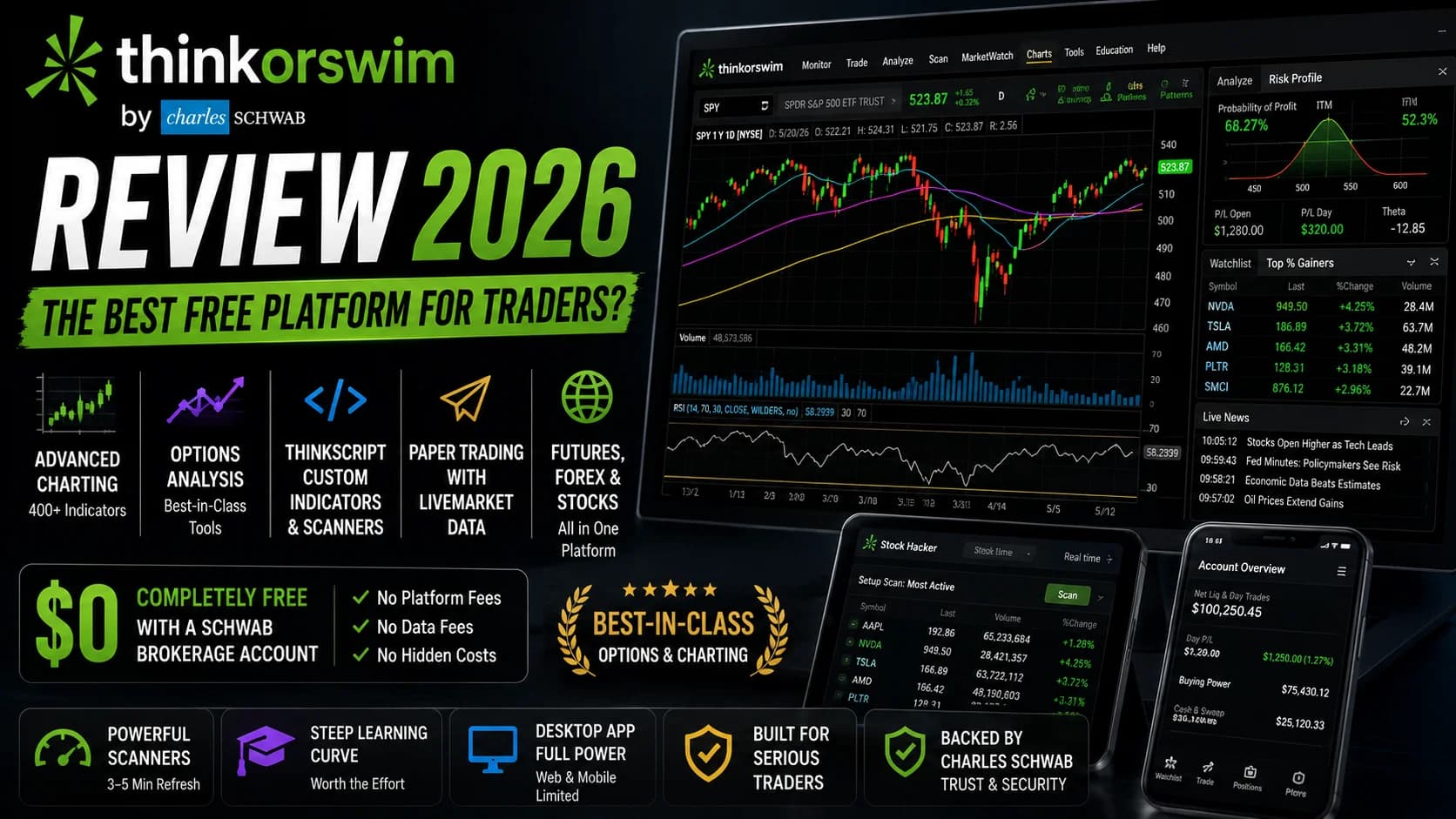
Independent thinkorswim review: options analysis, thinkScript, charting depth, and the scanner limitation day traders need to know before subscribing.
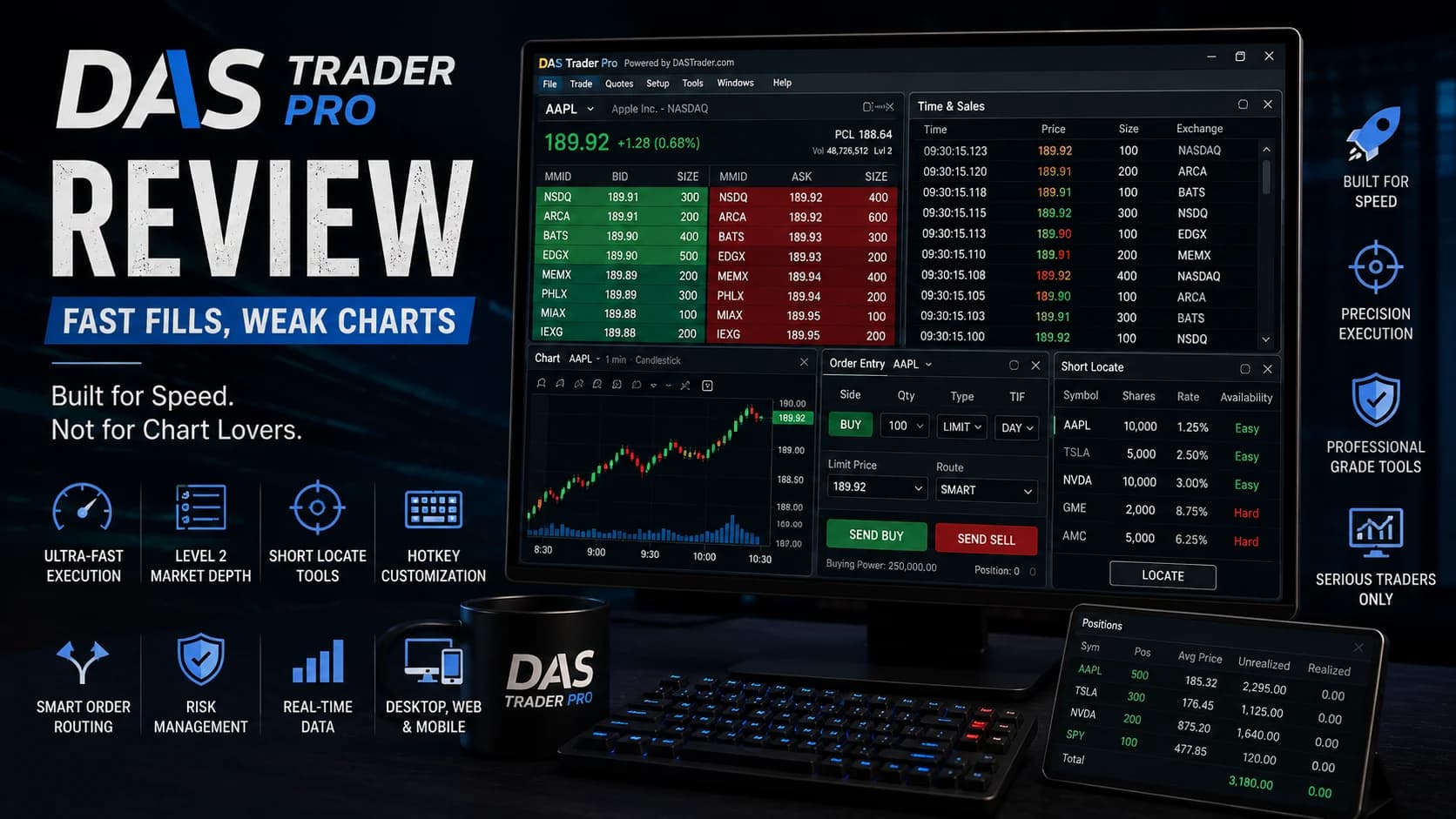
An independent review of DAS Trader Pro for day traders — real execution speed, short-locate tools, the actual monthly cost, and the charting tradeoff.
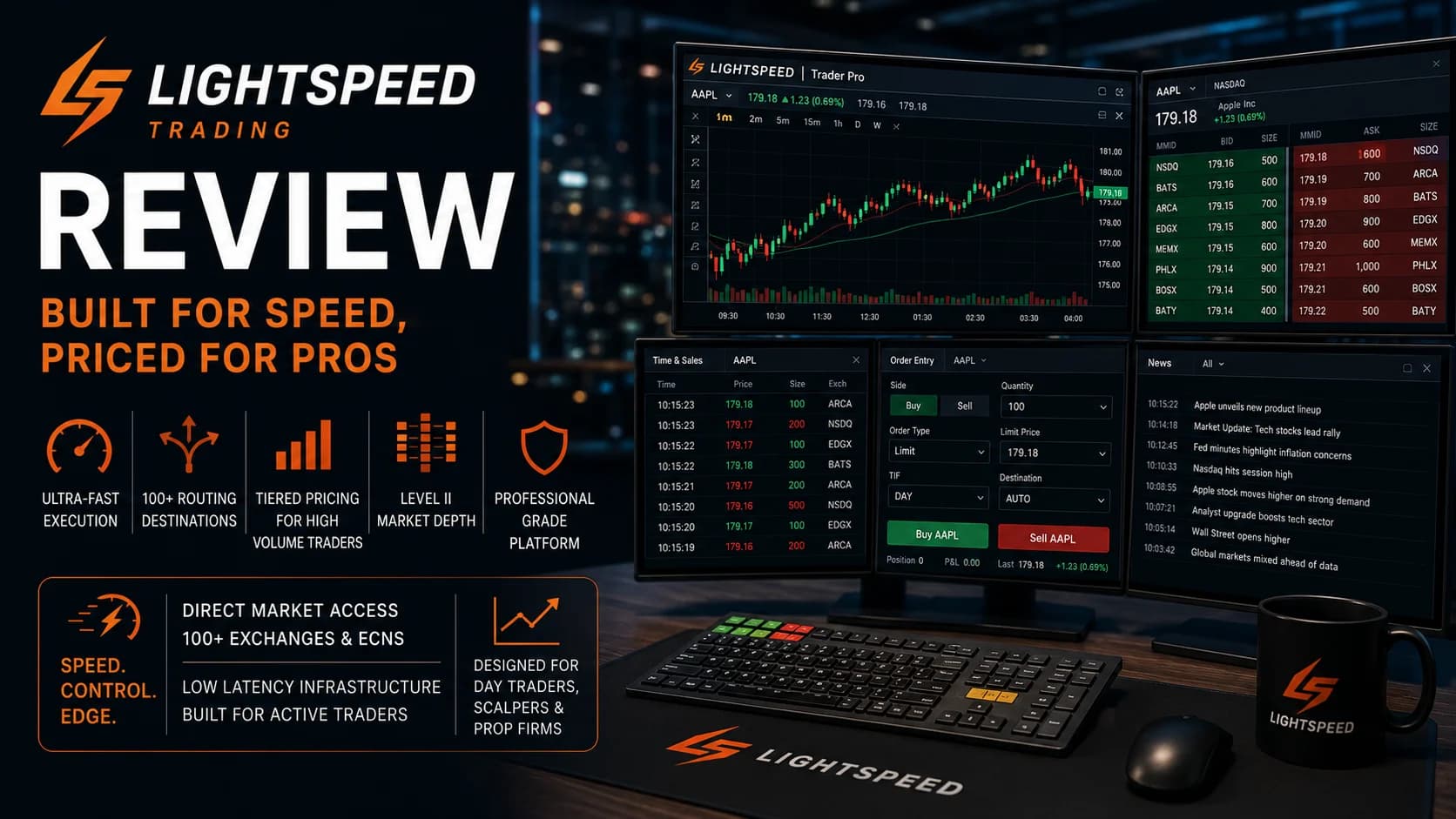
An independent review of Lightspeed Trading for day traders — per-share pricing, account minimums, Lightspeed Trader Pro, and who it's actually built for.
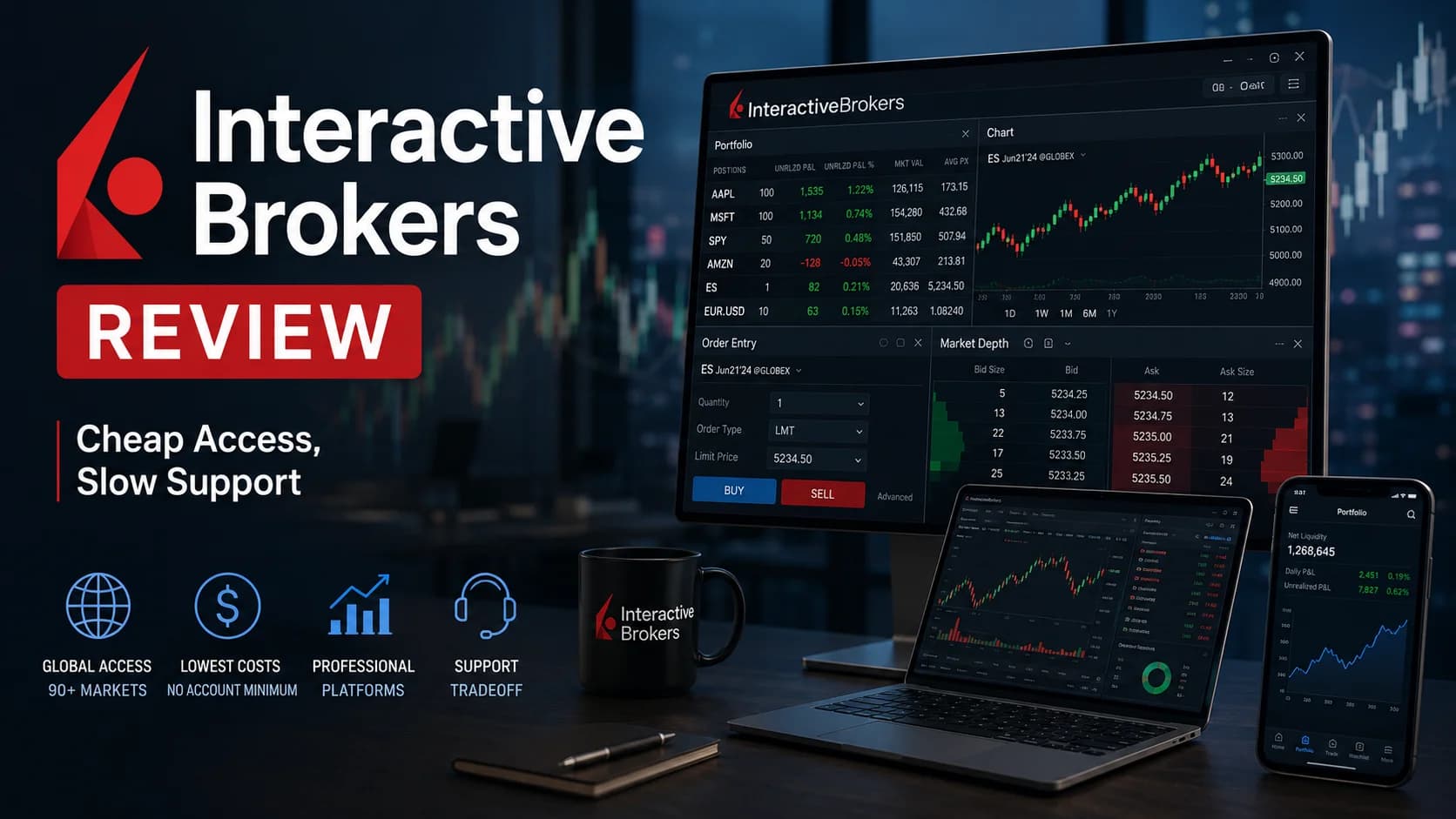
An independent review of Interactive Brokers for day traders — IBKR Lite vs Pro, TWS vs IBKR Desktop, margin rates, and the customer support tradeoff.
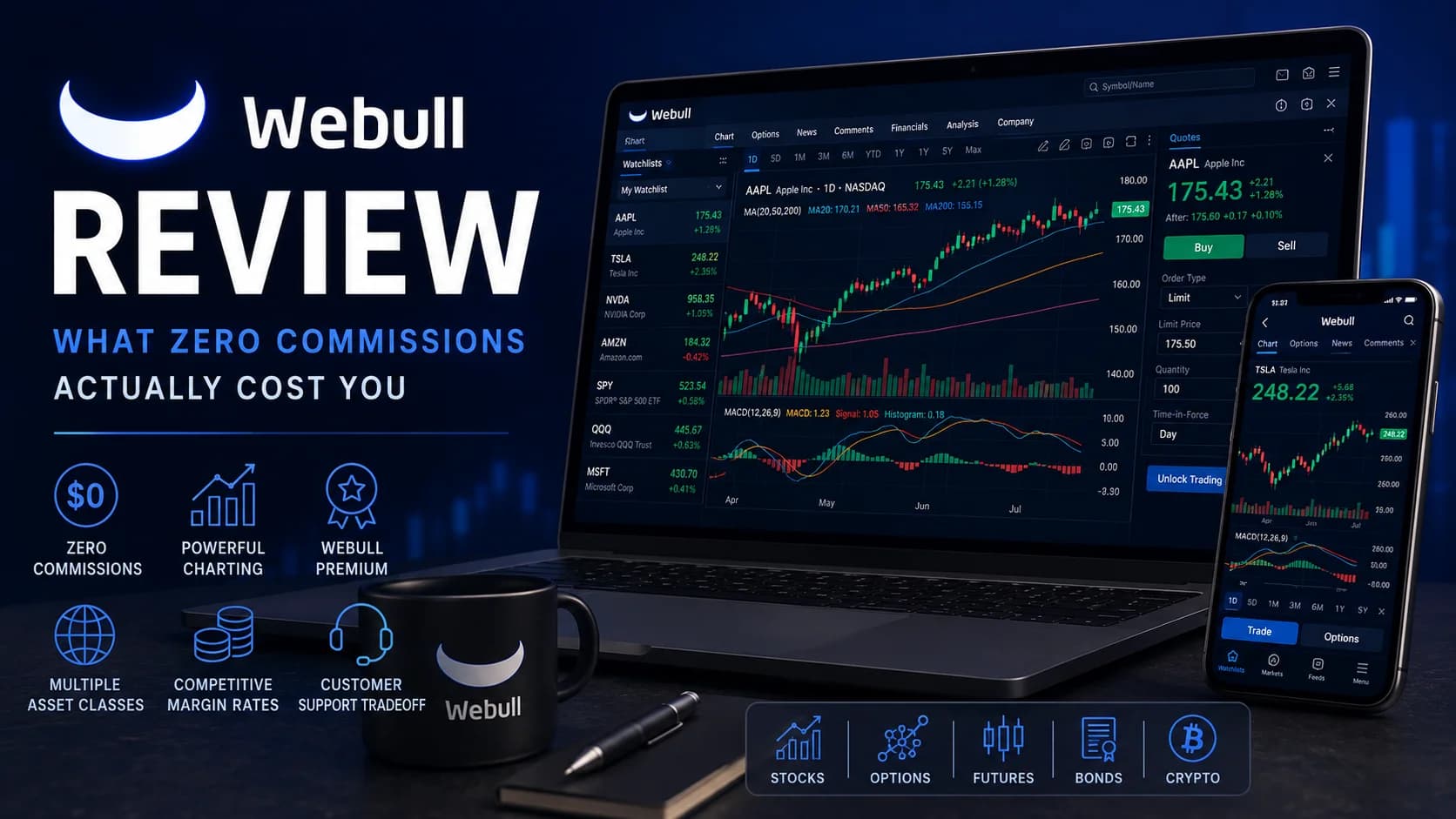
An independent review of Webull for day traders — commissions, Webull Premium, charting and Replay Mode, margin rates, and the customer support tradeoff.
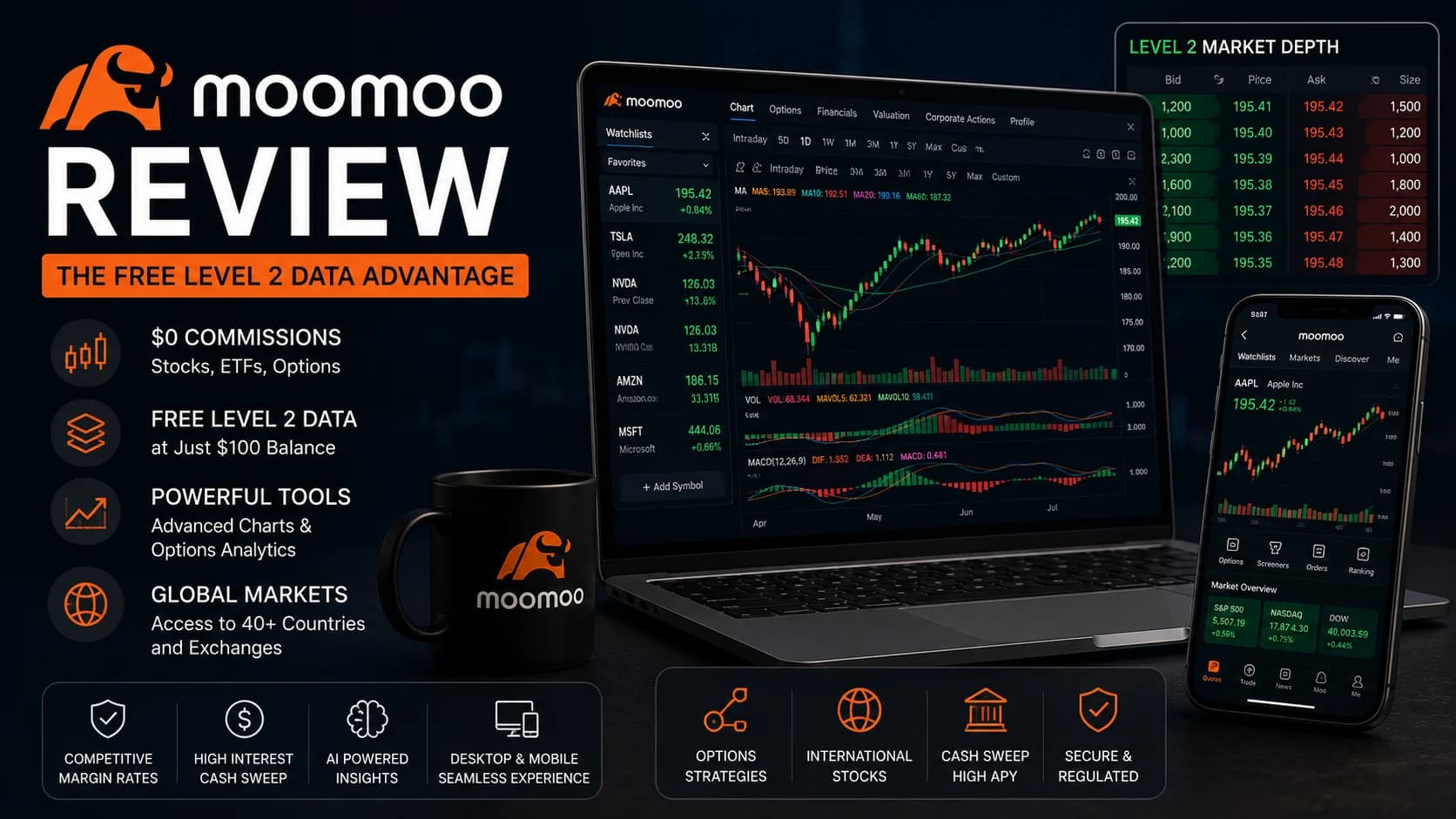
An independent review of moomoo for day traders — commissions, free Level 2 data, margin rates, options tools, and the account types it doesn't cover.
A trading journal imports your executions from the broker and shows where you make and lose money by setup, time of day, ticker and position size. Compare which brokers import automatically, how deep the reports go, whether trades can be replayed, and the monthly price.
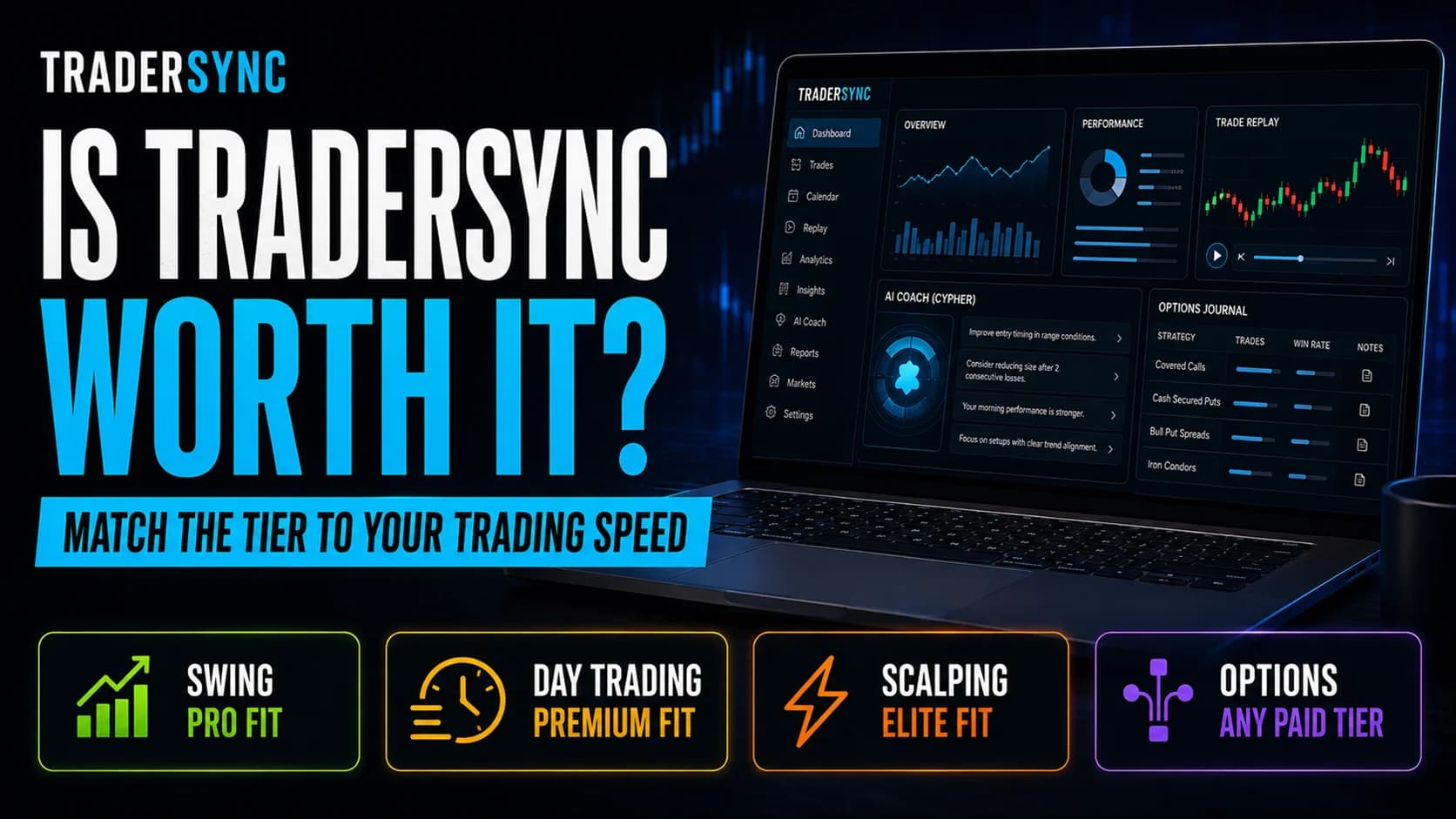
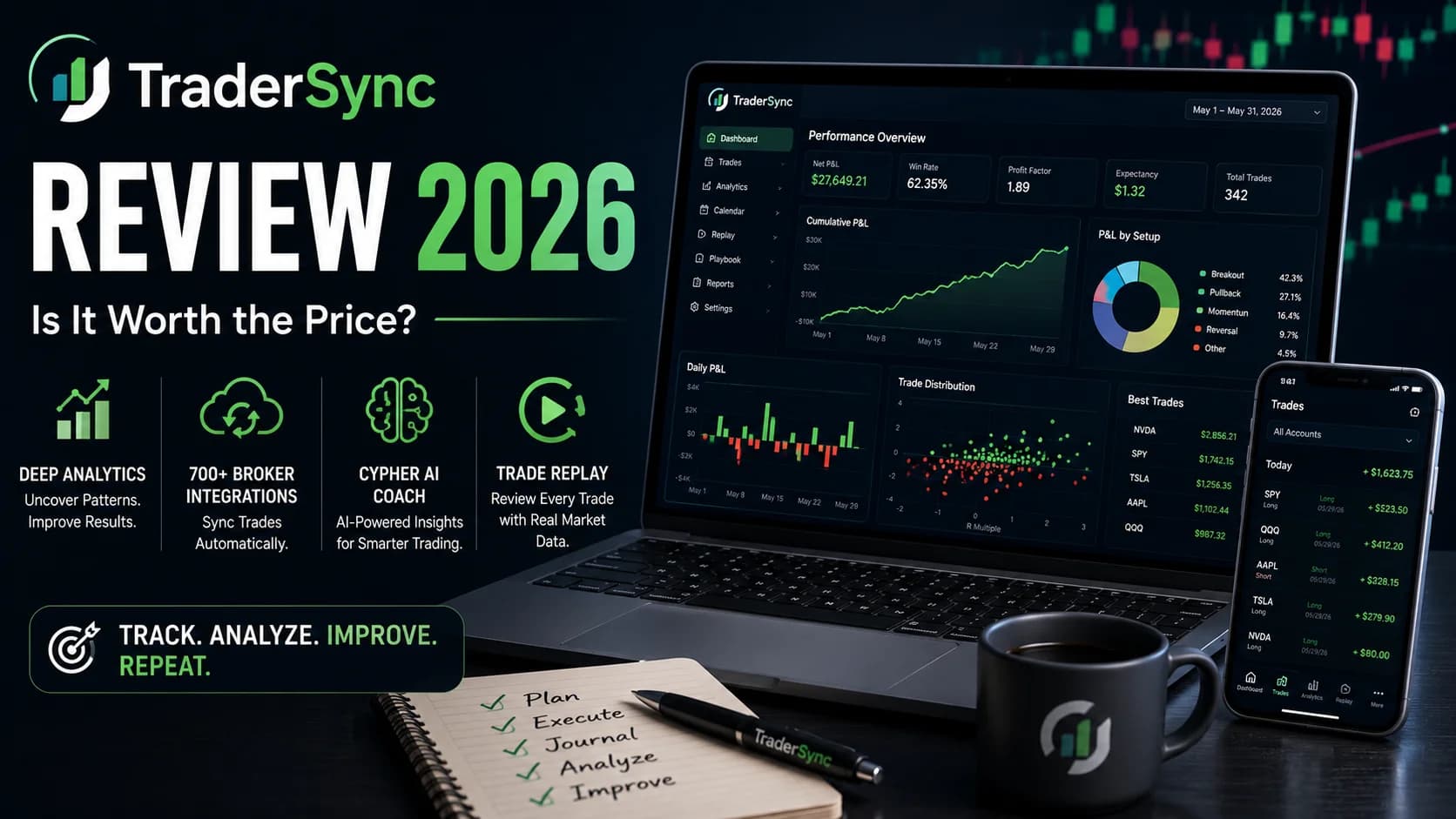
An independent review of TraderSync: analytics quality, Cypher AI, 700+ broker integrations, pricing tiers, and whether it fits your journaling workflow.
Is TraderSync worth it? A cost-value breakdown by trading style, covering which of the three tiers actually fits swing trading, day trading, and scalping.
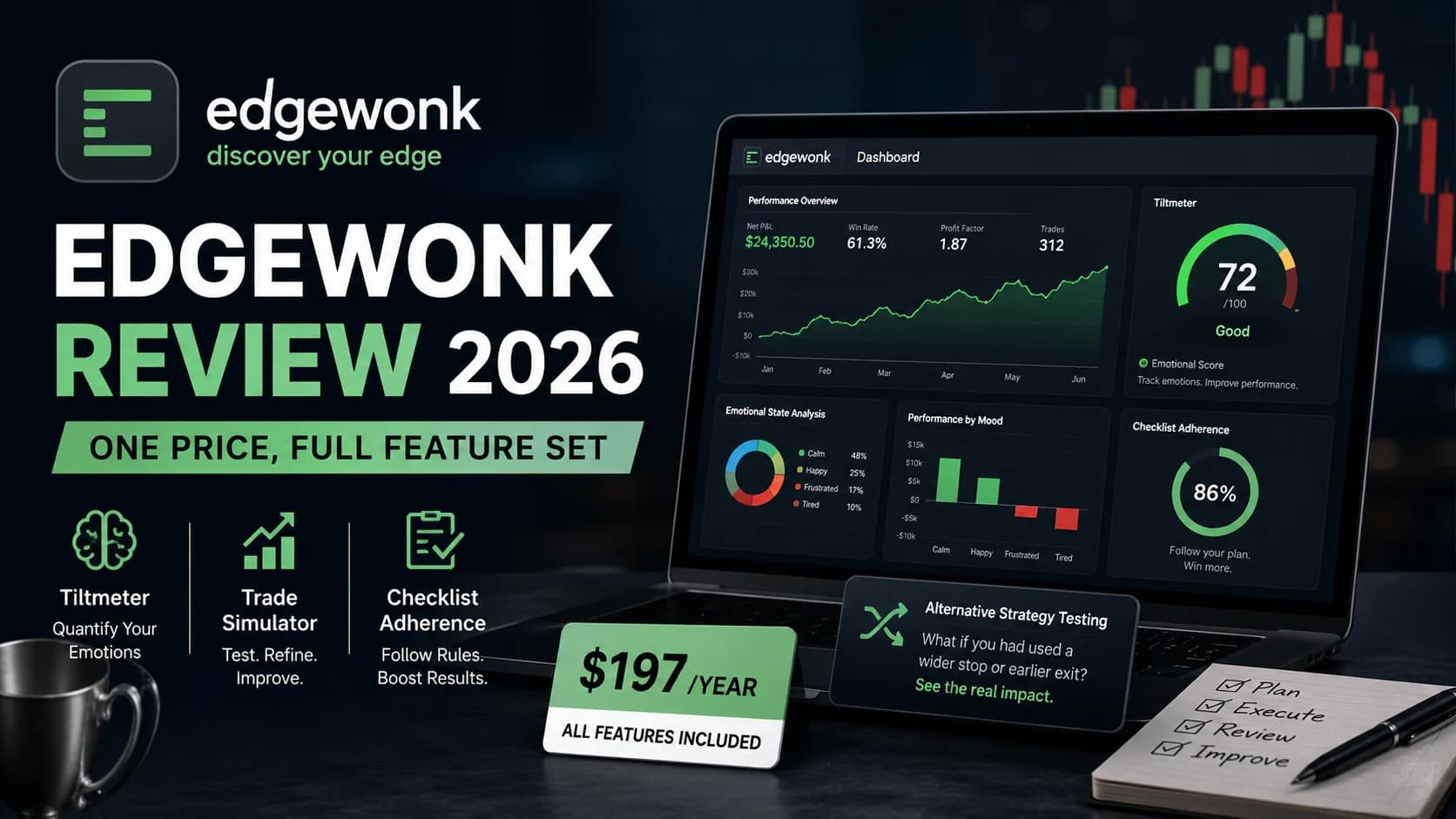
An independent, research-based review of Edgewonk pricing, the Tiltmeter psychology engine, and trade simulator — plus the real gaps against competitors.
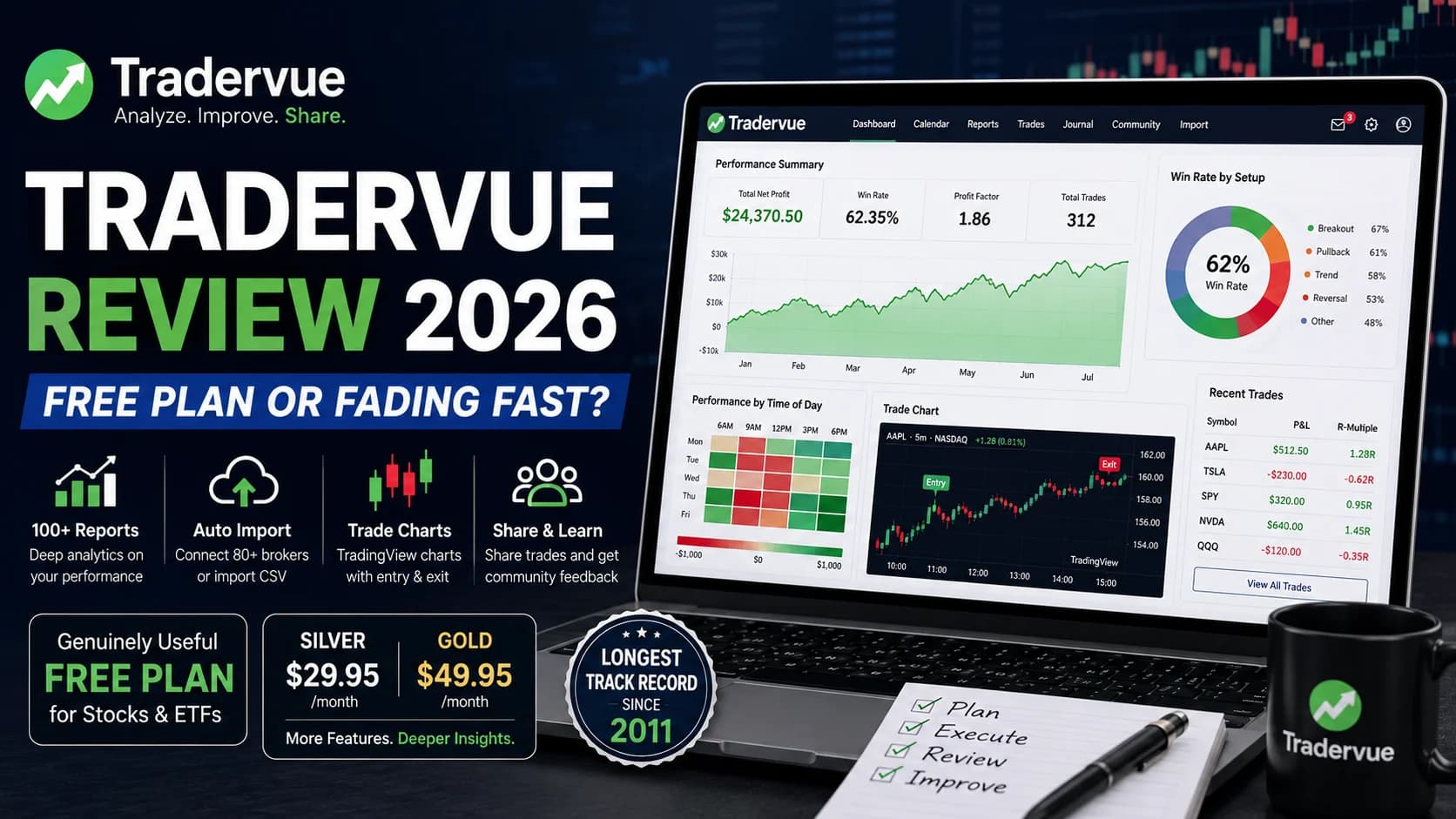
An independent, research-based review of Tradervue pricing, reporting depth, and social trade-sharing — plus the real gaps against AI-powered alternatives.
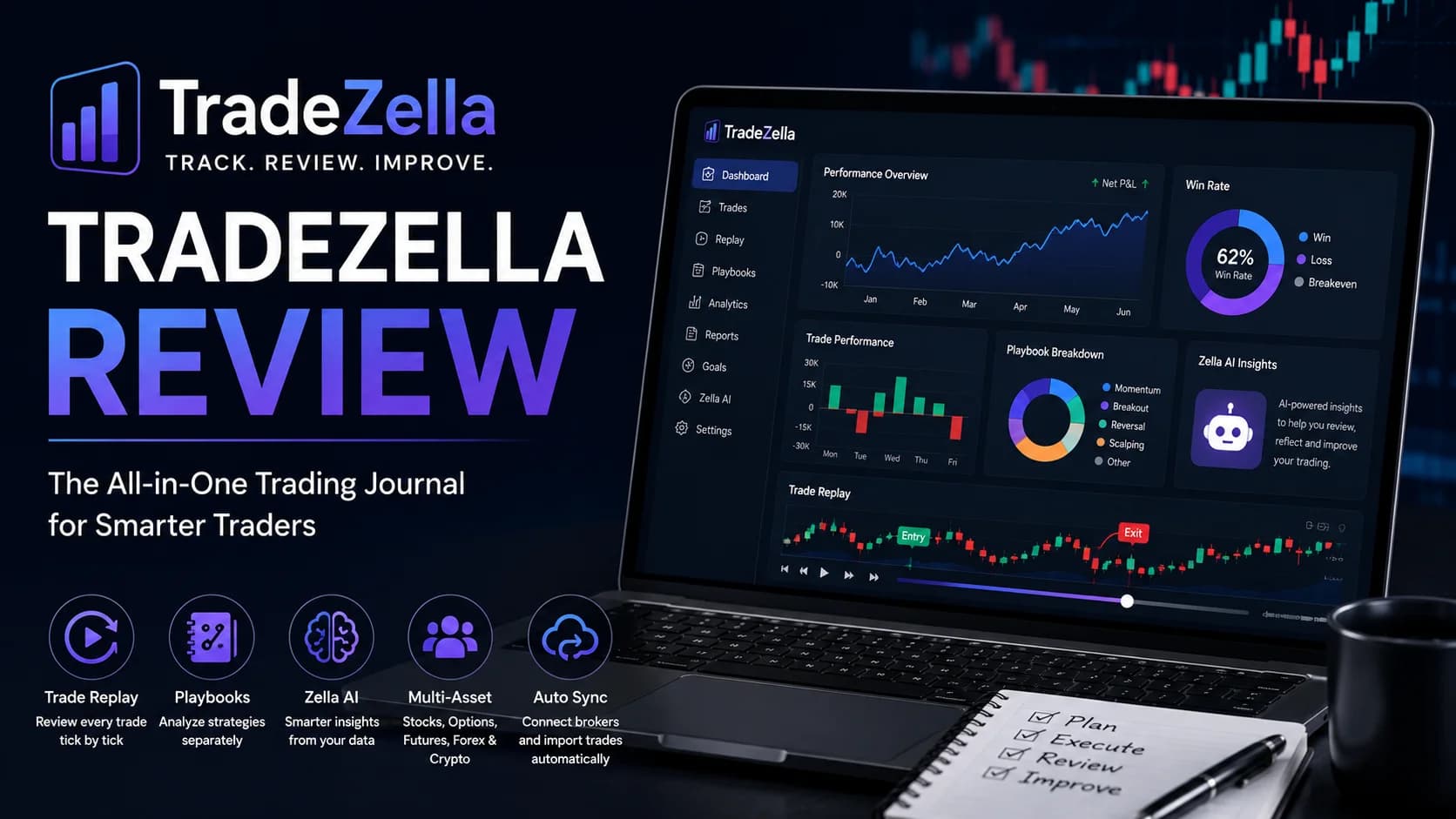
An independent, research-based review of TradeZella's trade replay, playbooks, and Zella AI — pricing, broker-sync issues, and who it's actually worth it for.
Day trading chat rooms and courses sell live commentary, watch lists and structured lessons. Before paying, check whether the trading method is documented, whether moderators explain the reasoning behind their trades, whether performance claims can be verified, and what the refund and cancellation terms say.
Honest Investors Underground review: pricing, features, Nathan Michaud's courses & chat rooms. Is this $1,897/year community worth it? We evaluate it.
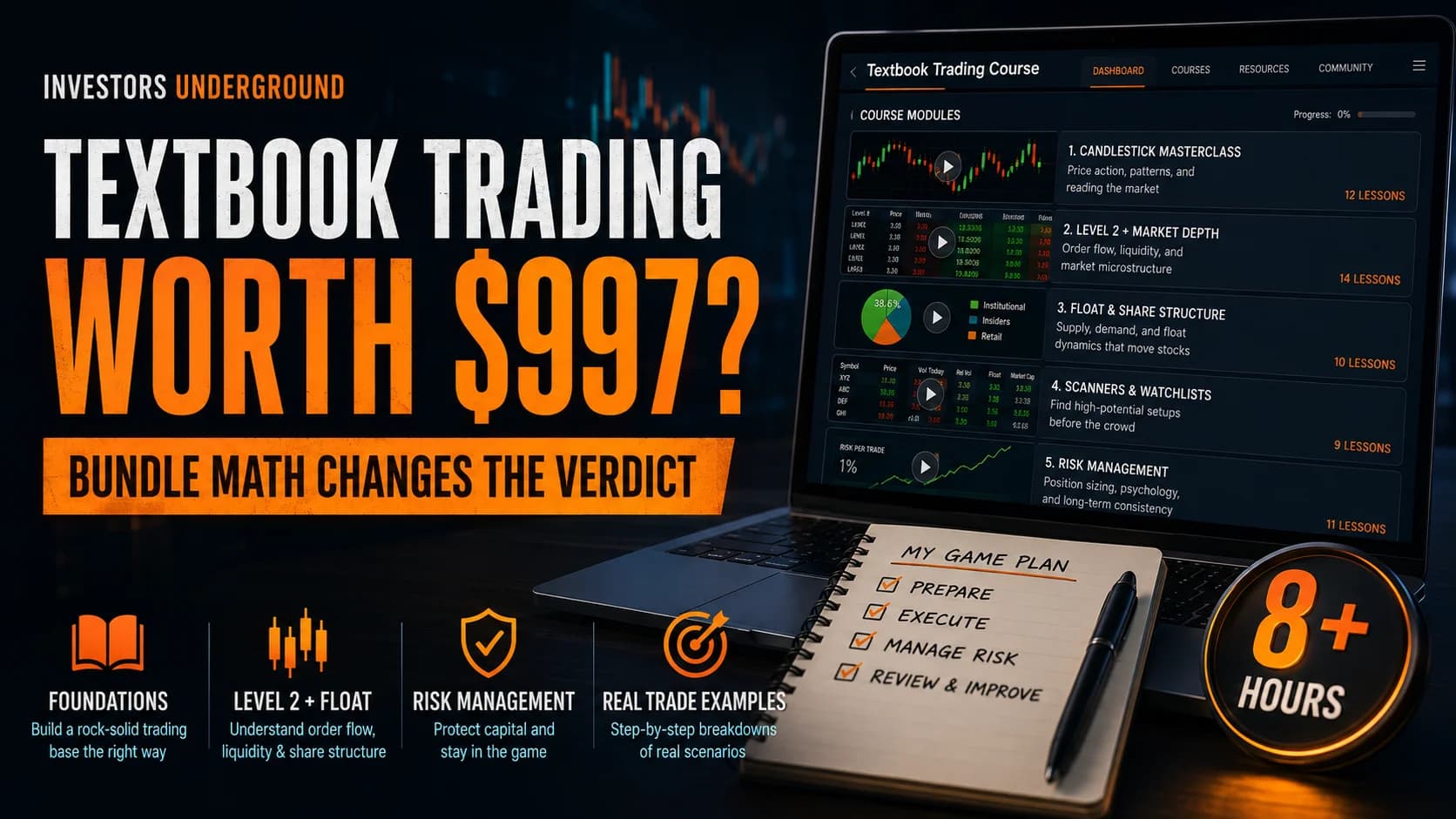
Is Investors Underground's Textbook Trading course worth $997? A breakdown of the standalone price versus the bundle math before you decide.
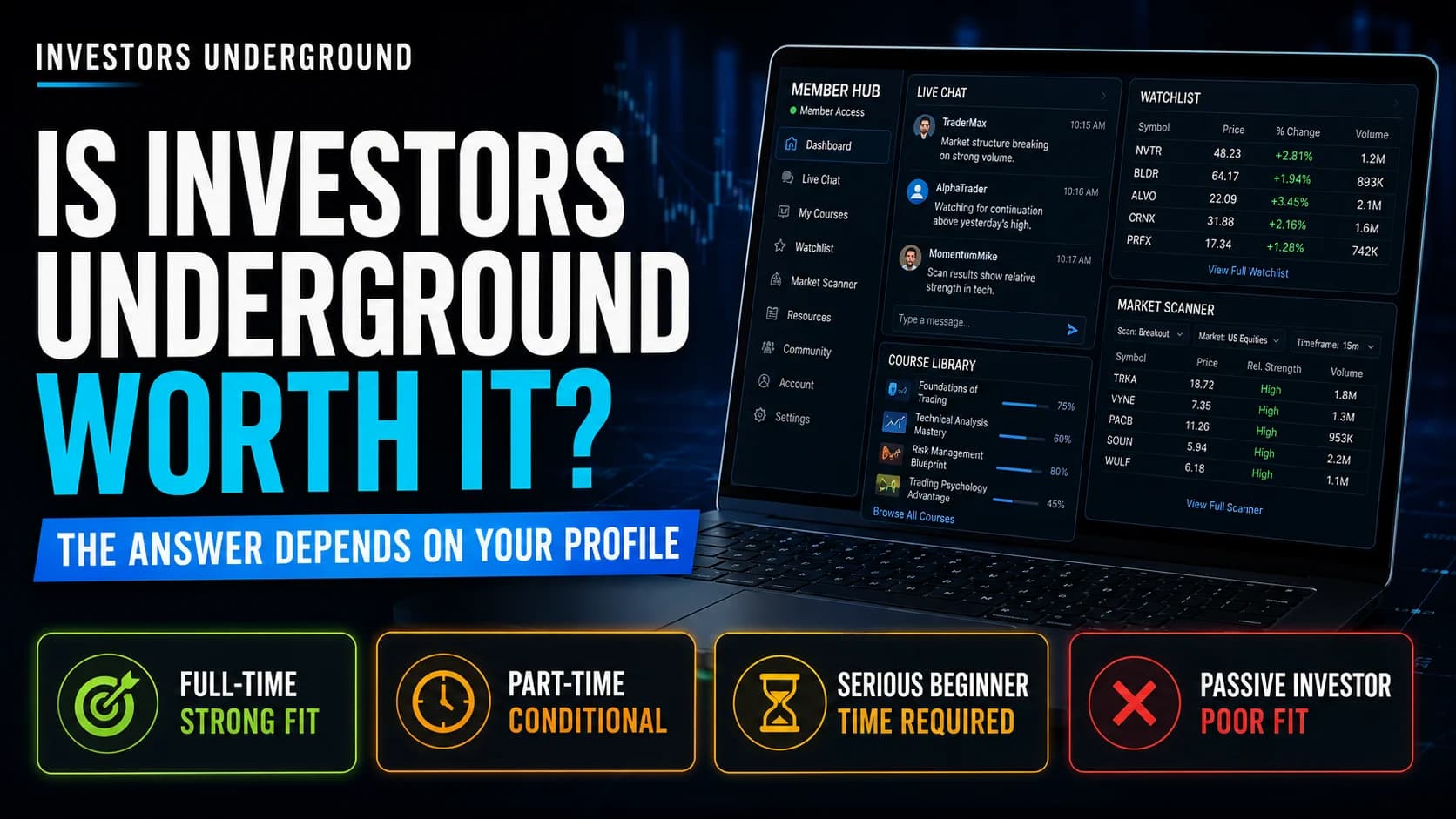
Is Investors Underground worth it? A cost-value breakdown by trader profile, using real 2026 pricing, to help you decide if it fits your schedule.
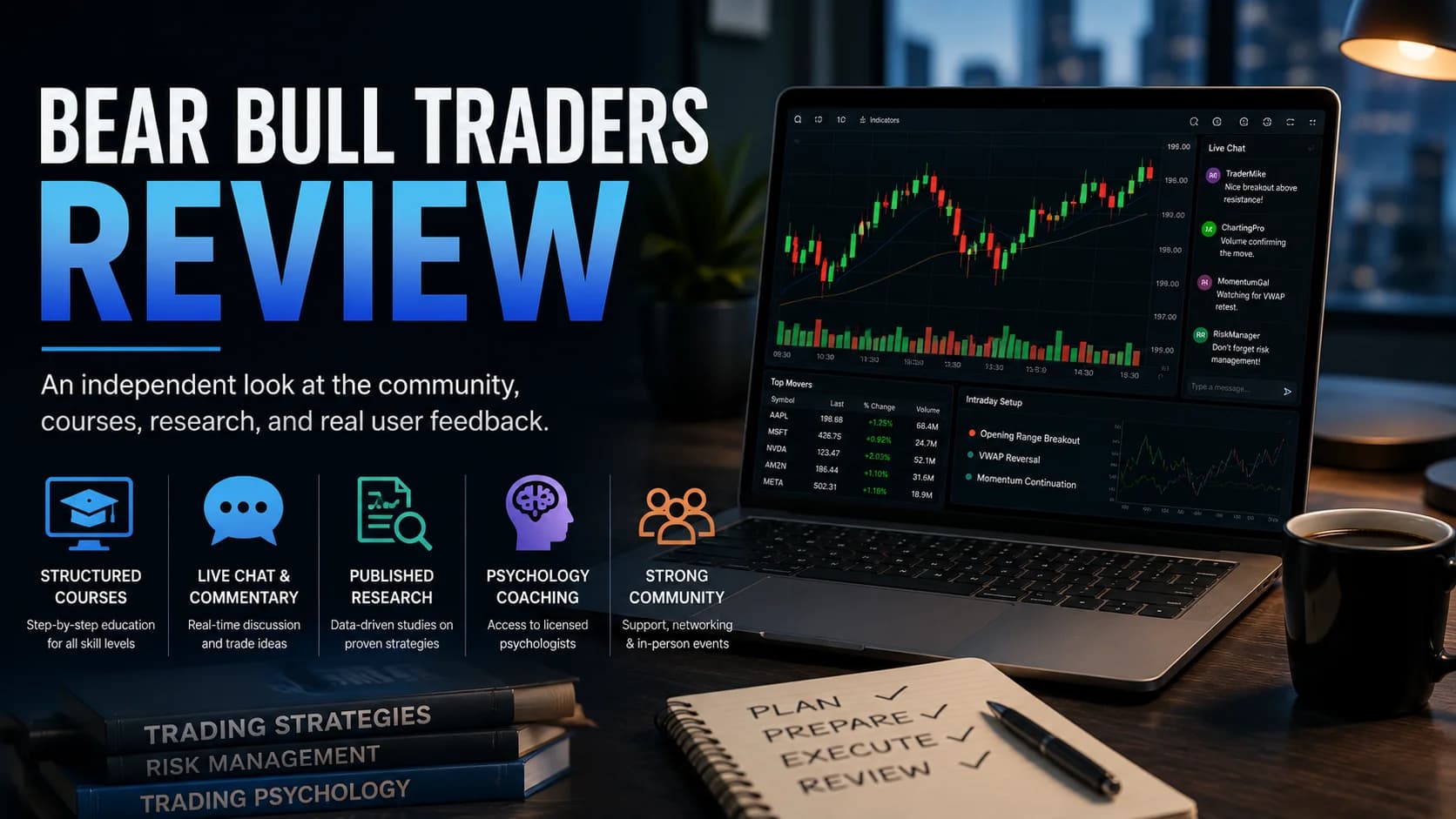
An independent review of Bear Bull Traders' community, courses, and published research — pricing, moderation policies, mixed user feedback, and who it fits.
An independent review of Warrior Trading's courses, chat room, and Ross Cameron's audited results — pricing, the 2022 FTC settlement, and who it fits.
Real-time news feeds and options flow tools alert you to catalysts: breaking headlines, SEC filings, analyst changes and unusual options activity. Compare how fast alerts arrive, which sources are covered, and whether the service shows anything your scanner and charts do not.
An independent review of Barchart's screeners, options analytics, and futures data — Plus vs Premier pricing, Barchart Opinion, and who it actually fits.
This guide evaluates Benzinga Pro's news speed, squawk box, and screener for day trading — our verdict on who should subscribe and who should skip it.
An independent research review of Unusual Whales: options flow data depth, congressional trading tracker, pricing tiers, and whether it earns its cost.
AI trading tools use machine learning or rule-based automation to suggest trades, rank setups or run trading bots. Check what the AI actually does, whether its results are backtested, simulated or live, and how much control you keep over entries, exits and position size.
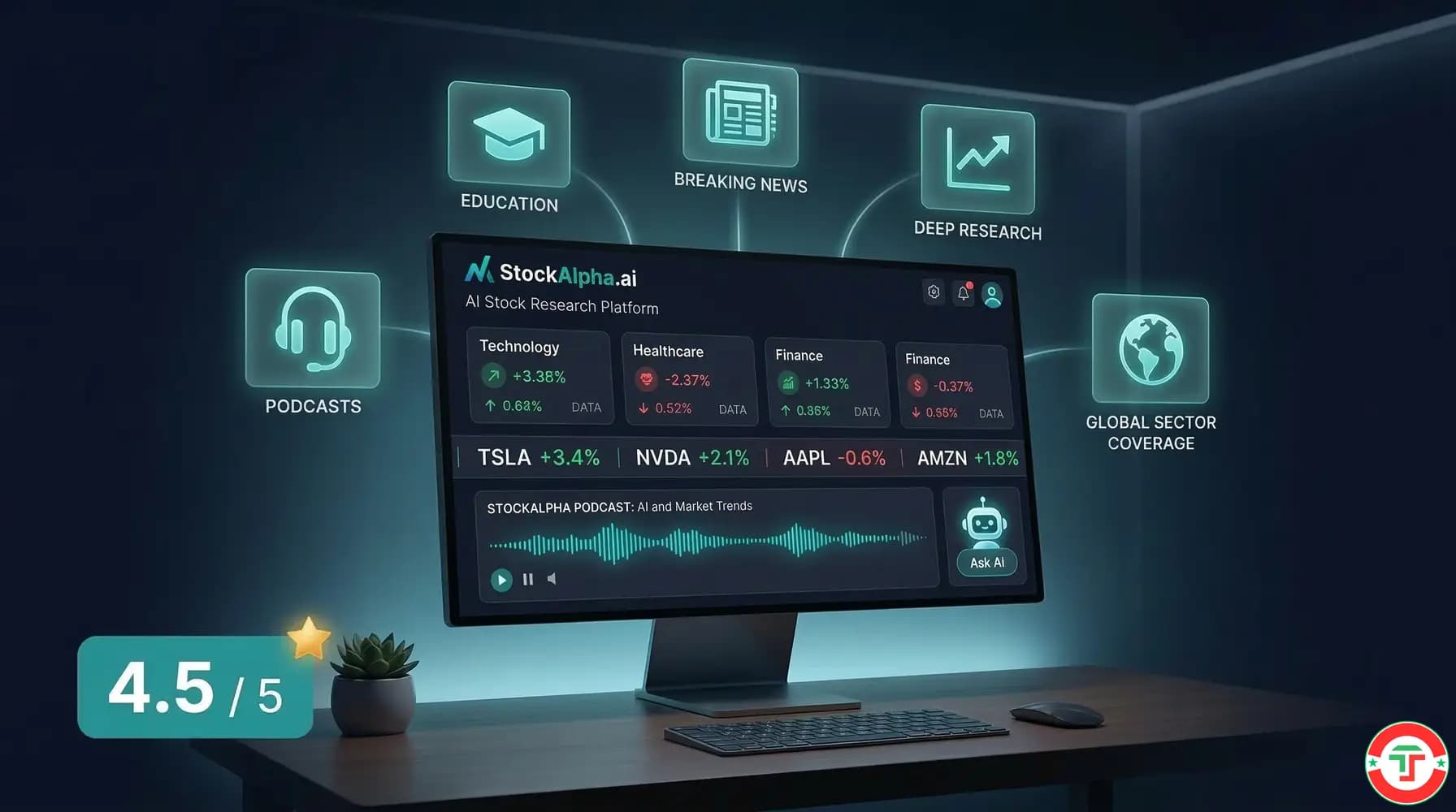
Our honest StockAlpha.ai review — a free AI platform delivering sector insights, research, podcasts & education faster than any human team could manage.
An independent Tickeron review: AI robots, pattern recognition, Time Machine, and pricing — who benefits and where the execution gap limits traders.
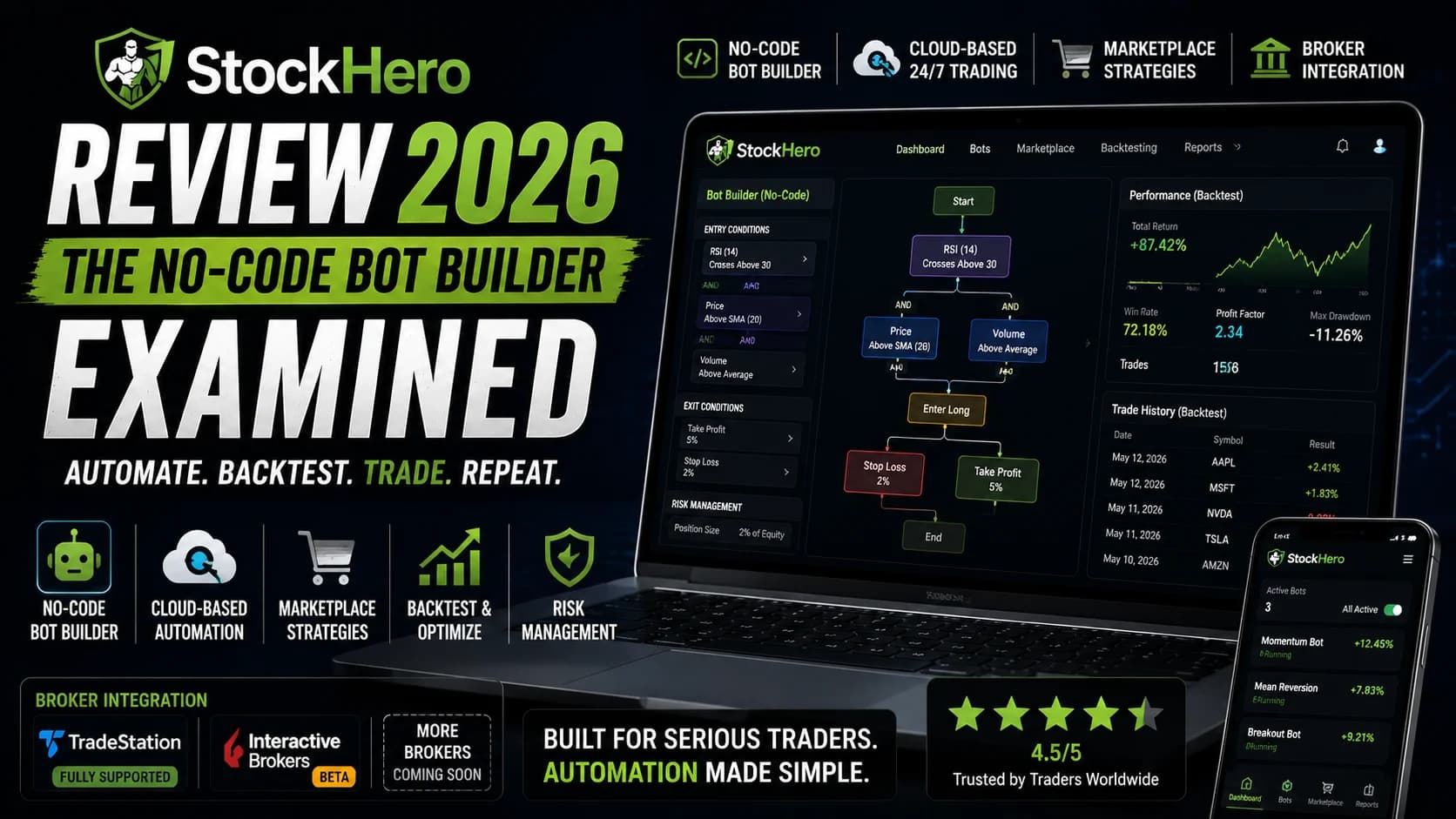
Independent StockHero review: no-code bot builder, marketplace strategies, broker integration, and the 90% win rate claim examined honestly for day traders.
Stock research platforms cover fundamentals, valuation, analyst ratings and long-term screening. Day traders mainly use them for background on a catalyst, not for intraday entries.
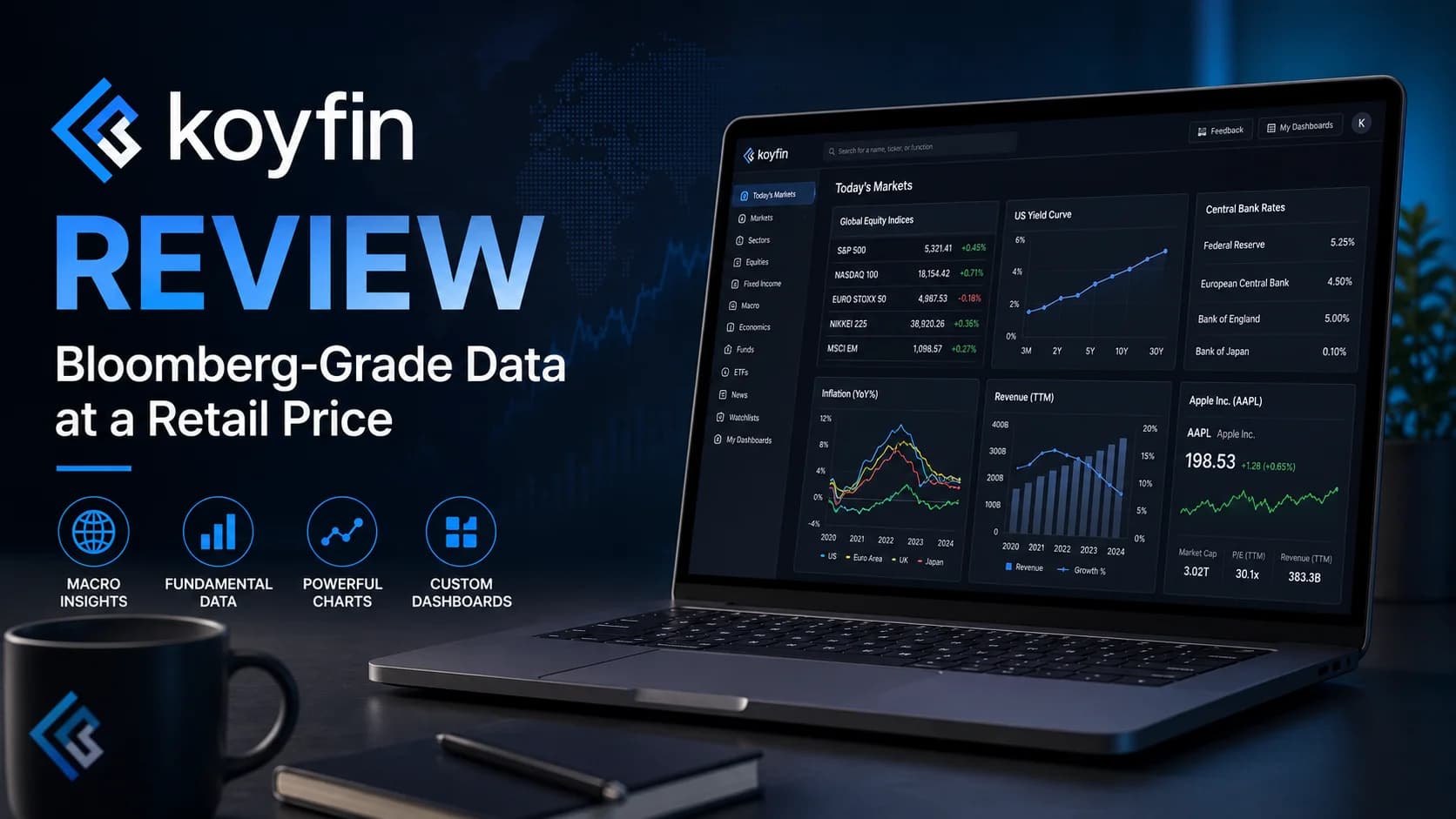
An independent review of Koyfin's macro dashboards, Capital IQ data, and 2026 pricing update — what it does well, and why it isn't built for day trading.
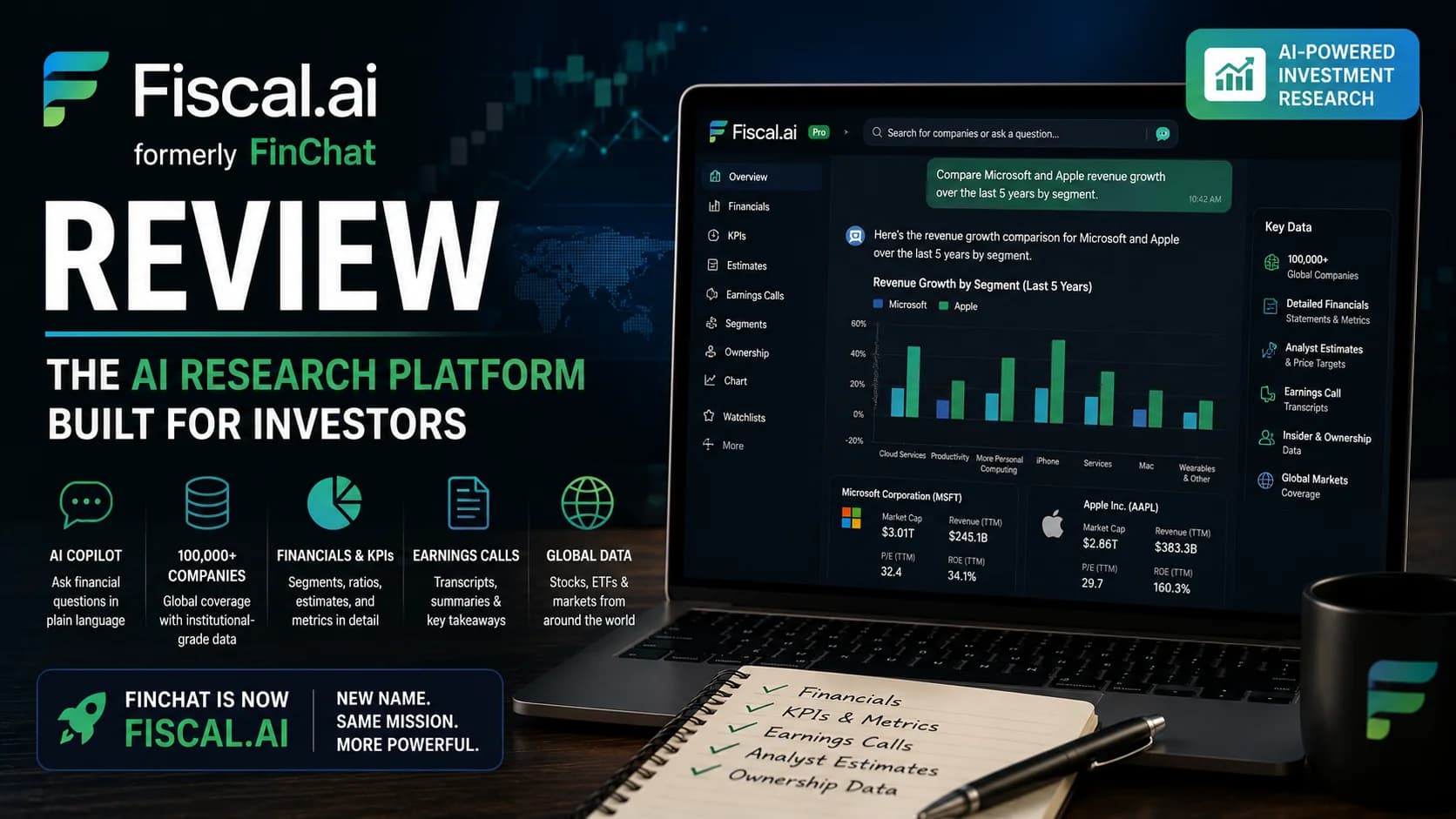
An independent review of FinChat (now Fiscal.ai) — the AI research rebrand explained, current pricing, data coverage, and whether it fits day trading.
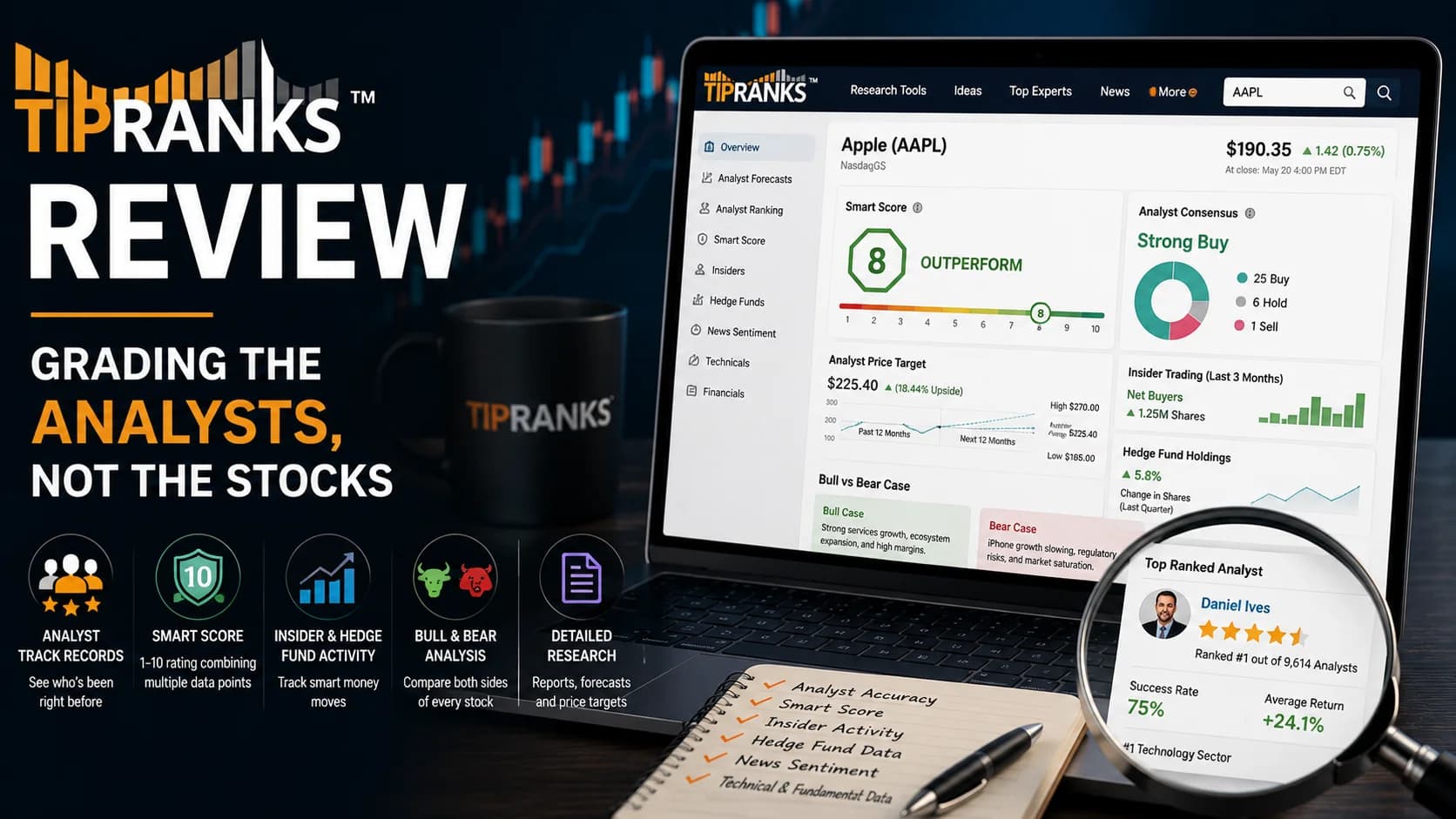
An independent review of TipRanks' Smart Score and analyst-tracking system — what it actually verifies, current pricing, and whether it fits day trading.
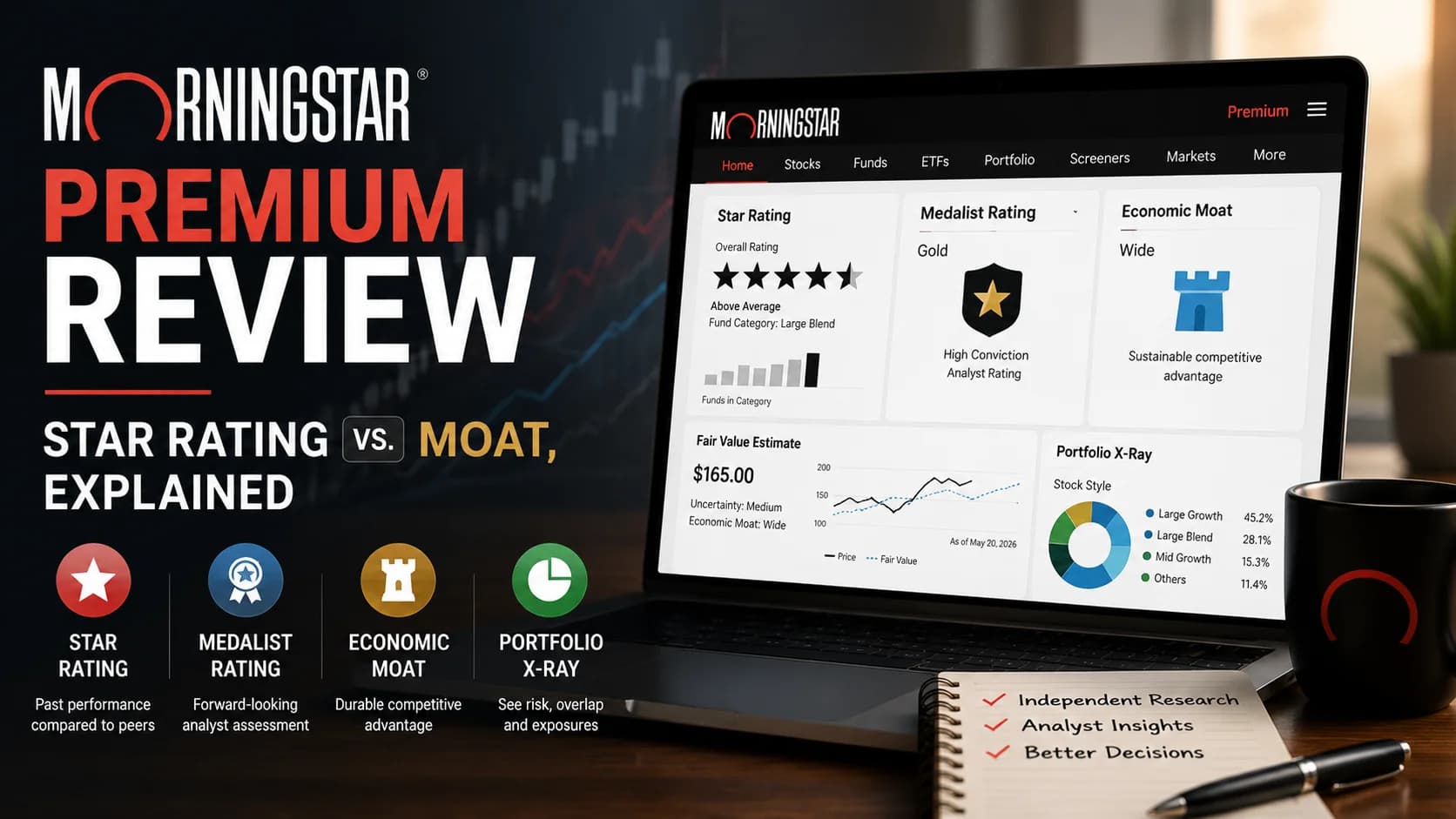
An independent review of Morningstar Premium (Investor) — how Star Ratings, Medalist Ratings, and Moat ratings actually differ, pricing, and who it fits.
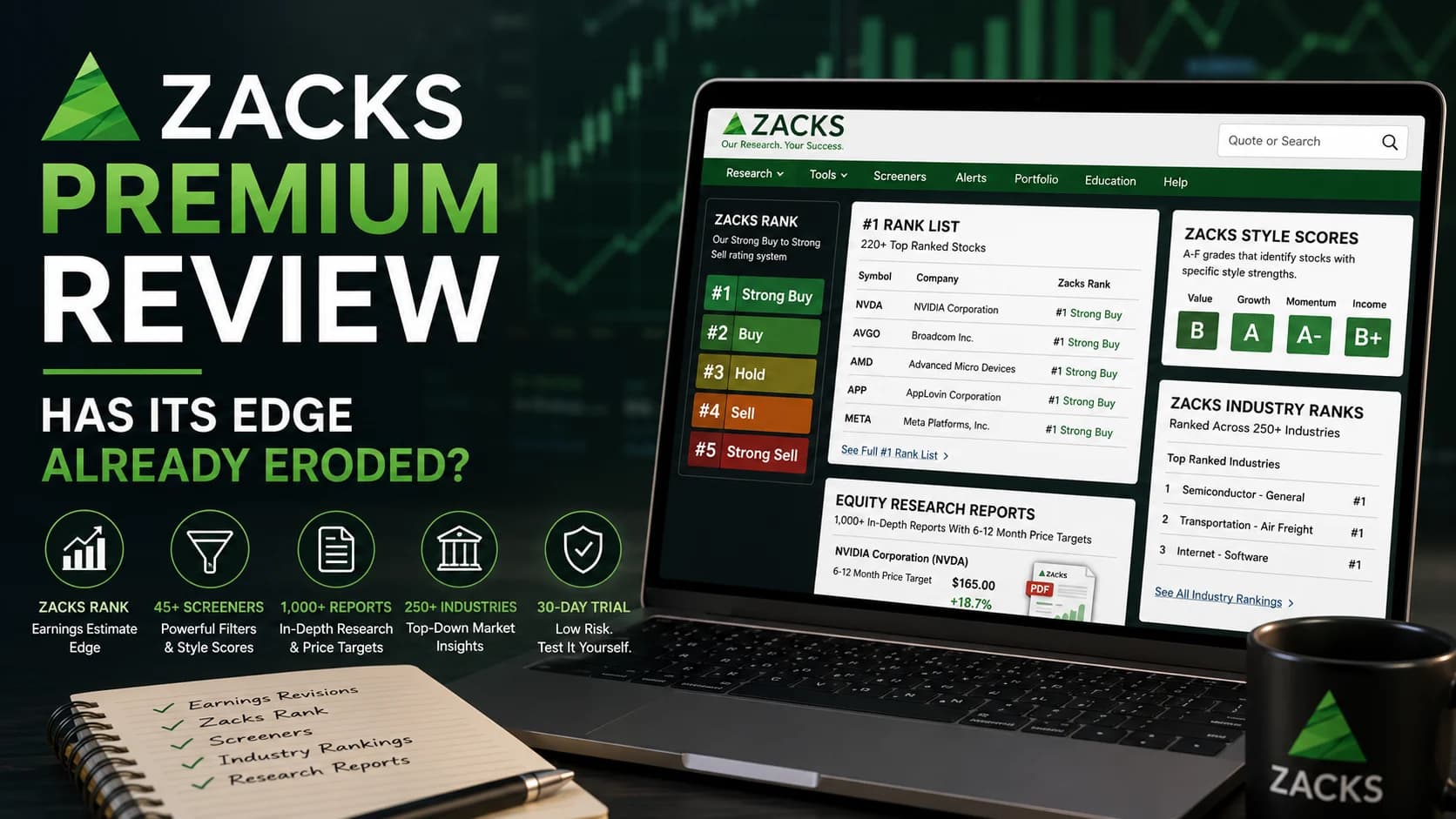
An independent review of Zacks Premium's Zacks Rank system, screeners, and research reports — whether the EPS-revision edge still holds up, and who it fits.
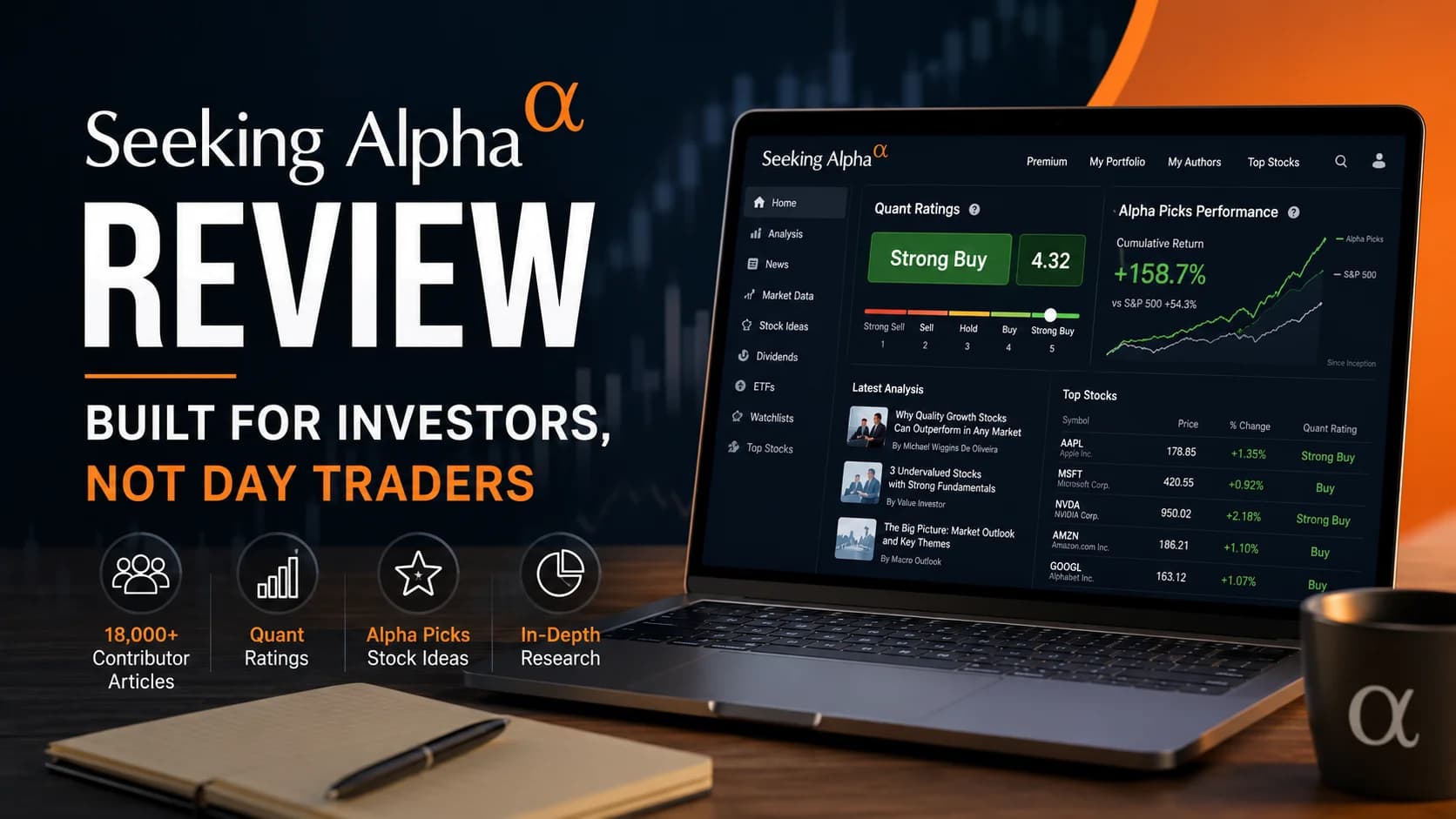
An independent review of Seeking Alpha's Quant Ratings, Alpha Picks, and Premium pricing — what the performance claims actually mean, and who it fits.
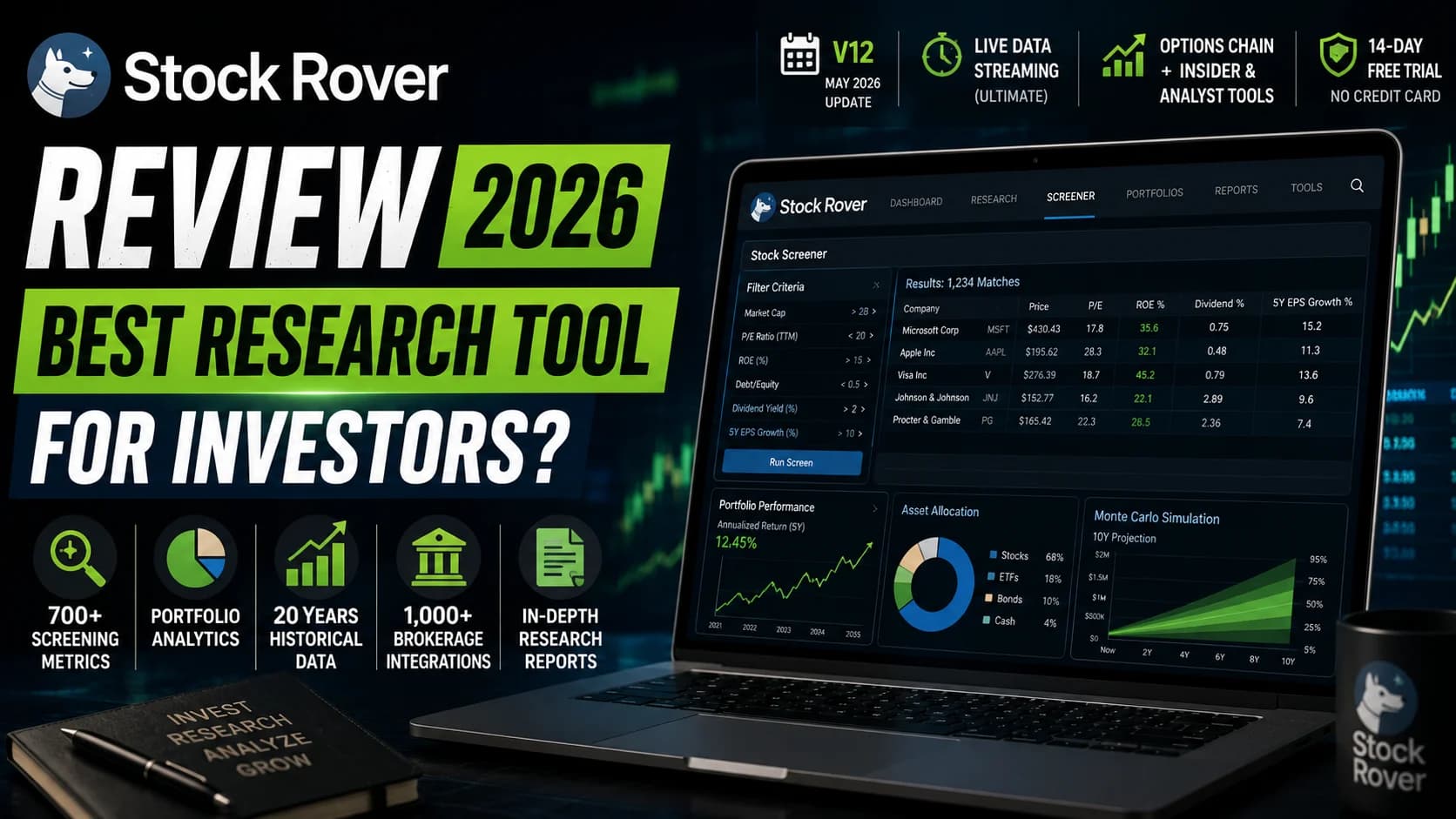
Independent Stock Rover V12 review: 700+ screener metrics, portfolio analytics, and updated pricing — who it serves and the honest word for traders.
Compare
Every review follows the same four checks, so any two tools in the same category can be compared on the same terms.
What the tool does for its main use: scan speed and filters for a scanner, chart tools and data for a charting platform, order routing and execution for a broker.
Every plan tier, exchange data fees, free trial limits, and the cancellation and refund terms, taken from the vendor's own pricing and policy pages.
What the tool cannot do, where its marketing goes further than its documentation, and the traders it does not suit.
Each review says what it is based on (documentation, demos, trials or account access) and shows when it was last updated.
Not sure where to start?
Answer seven questions about your trading and the Tool Finder narrows the list to the scanners, charting platforms and journals worth a closer look.
Most day traders use four: a broker with a fast trading platform, charting software, a stock scanner to find stocks that are moving, and a trading journal to review results. Many brokers include charting and a basic scanner, so a beginner can start with one platform and add a dedicated scanner or journal when a specific need appears.
It depends on the strategy. Momentum and news traders need real-time scans and alerts, which tools such as Trade Ideas and Scanz are built for. Traders who build a watchlist before the open can often use a filter-based screener such as Finviz. The stock scanner reviews on this page explain what each scanner is built for and who should skip it.
Popular choices include TradingView, TrendSpider, TC2000 and thinkorswim. The right one depends on how many charts you watch at once, the indicators you use, whether you want to place orders from the chart, and whether real-time exchange data is included or costs extra.
A paid tool is worth it when it fixes a specific problem in a trading process you already follow, such as missing moves because scans are slow, or not knowing which setups lose money. It rarely helps a trader without a defined strategy, because software does not create an edge.
Yes. Free broker platforms, free charting plans and free screeners are enough to learn, paper trade and trade small. The limits usually show up in real-time data, scan speed, the number of charts per layout and alerts.
Some reviewed companies pay DayTradingToolkit a commission when readers subscribe through our links, at no extra cost to the reader, and those links are disclosed. A commission does not change what a review says about pricing, limitations or who should skip the tool.