
The Level 2 Trading Strategy: Reading the Order Book for Edge

In this article11 sections
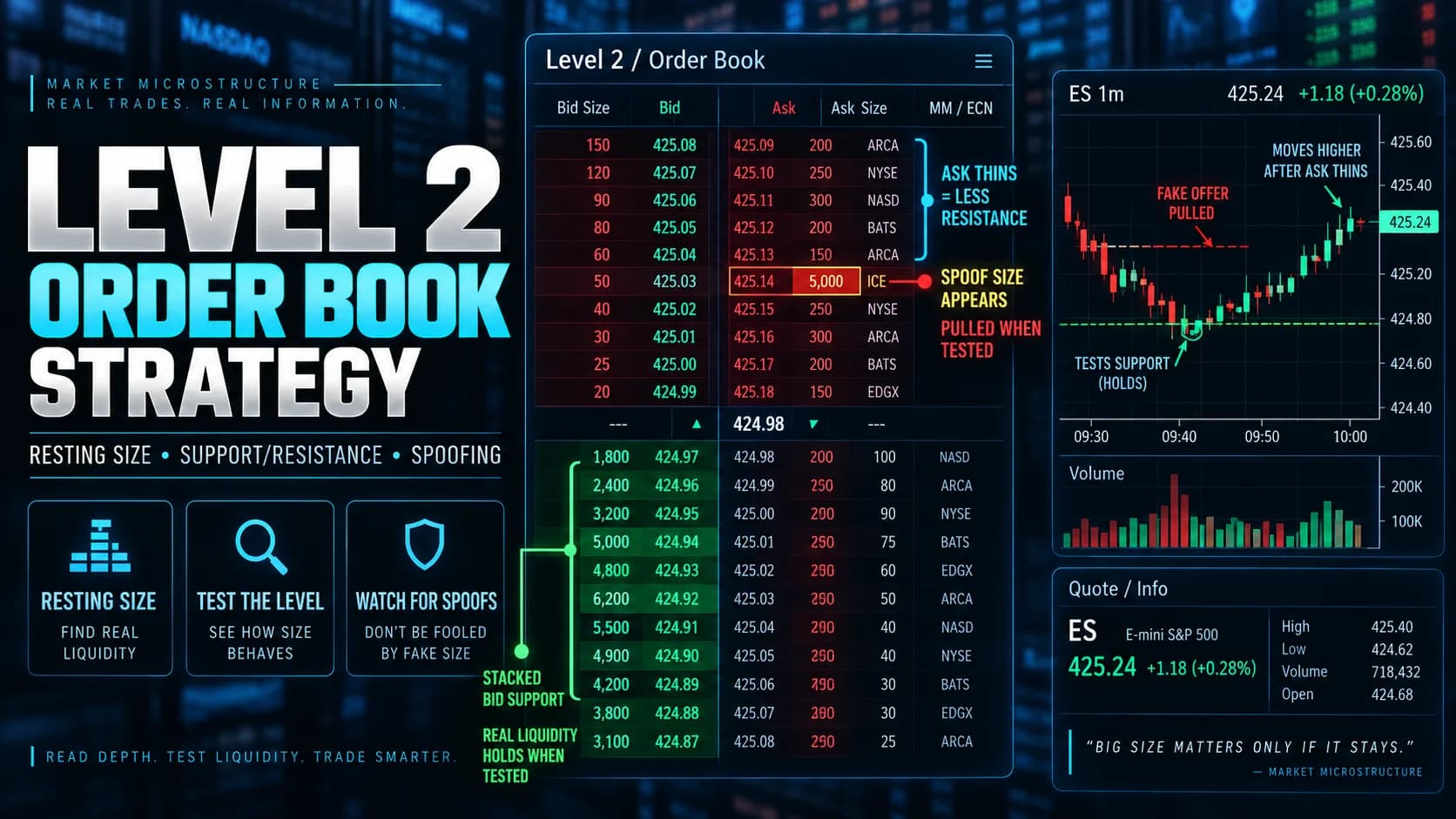
A stock is climbing toward $22.00. On Level 2, a wall of size appears at $22.00 on the ask: 40,000 shares stacked across two market makers. A trader watching only price sees resistance. A trader watching the order book sees something that needs to be tested, not assumed, because that wall might be a genuine seller defending a level, or it might vanish the instant price actually gets there.
That distinction, real size versus size that disappears under pressure, is the entire skill of Level 2 trading. The order book shows more information than a chart ever will. It also shows information that can be faked, pulled, or refreshed in ways a beginner won't notice until it costs them a trade.
What is Level 2 trading? Level 2 trading means using the real-time order book, the stacked list of bids and offers from every participant at every price level, to judge where genuine buying or selling pressure sits before it shows up in price. Unlike Time & Sales, which shows trades that already happened, Level 2 shows resting orders that haven't executed yet, and reading it well means judging which of that resting size is real.
Order Book Depth vs. the Printed Tape: Two Different Signals
Tape reading and Level 2 trading get lumped together constantly, but they answer different questions. The tape confirms what already happened: a trade executed, at this price, this size. Level 2 shows intent that hasn't converted into a trade yet: an order sitting at a price, waiting.
That difference matters because intent is cheaper to fake than execution. A market participant can post 20,000 shares on the bid and cancel it a tenth of a second later without ever risking a share. A trade that prints on the tape, by contrast, already happened; someone's inventory actually changed. This is why serious order-flow traders treat Level 2 as a hypothesis generator and the tape as the confirmation layer. Size on the book suggests where a level might hold. Prints actually trading through or stalling at that level confirm or deny it.
Real Depth vs. Illusory Depth: Telling Genuine Size From Spoofed Orders
Not all resting size is equal, and the single most important judgment call in Level 2 trading is distinguishing size that will actually defend a price from size that's designed to look like it will and then disappear.
A few honest tells separate the two, though none of them is a guarantee on its own. Size that's been resting at the same price for an extended period, through multiple approaches by price, tends to be more credible than size that appeared the instant price got close, because an order that's been sitting there has already had opportunities to be pulled and wasn't. Size that refreshes at the exact same price after being partially filled, refilling to the same displayed amount repeatedly, often signals a reserve or iceberg order defending that level rather than a single static order that will eventually run out. And size that's spread across several visible market participants or ECNs at the same price is generally harder to fake in coordination than a single large order from one source.
The manipulative version of this, deliberately posting orders with no intention of letting them execute in order to influence other traders' perception of supply and demand, has an actual legal name and a real enforcement history. Regulators refer to it as spoofing or layering, and it's been the subject of documented enforcement actions by both securities and futures regulators, because it directly distorts the exact signal Level 2 traders are trying to read. That history doesn't mean every fast-appearing order is manipulative. It means a trader should never treat freshly posted size, size that just appeared as price approached it, as confirmed support or resistance until it's actually been tested by real trading activity.
When Level 2 Reading Is Worth the Screen Time
Level 2 depth is most informative in stocks with multiple active, independent participants, meaning real competition for the best bid and offer rather than one or two market makers effectively setting the market alone. Liquid names with average daily volume above roughly a million shares and price above $5 tend to show a book with enough genuine competing size to make the absorption read meaningful.
Very low-float or heavily halted stocks often show a thin, jumpy book where one participant's order dominates the visible depth, which makes the read unreliable in the same way it undermines tape reading: there's no real contest between independent buyers and sellers to interpret. The opening 30 to 90 minutes and the final hour tend to show the deepest, most actively refreshed books, since that's when institutional and active retail participation is heaviest.
The Absorption Setup: A Mechanical Level 2 Trigger
The most tradeable pattern in Level 2 reading is absorption: repeated aggressive selling (or buying) that hits a resting level without breaking it, and keeps getting refilled rather than depleted.
- Component
- Market Conditions Required
- Rule
- RVOL at 1.5 or higher; a genuinely two-sided book with size from multiple participants
- Component
- Time of Day
- Rule
- 9:30–11:00 AM ET or 3:00–4:00 PM ET only
- Component
- Stock Selection Criteria
- Rule
- Price above $5, average daily volume above 1 million shares, visible size on both sides of the book
- Component
- Entry Trigger
- Rule
- A resting level that gets hit by three or more aggressive market orders (confirmed via the tape) without the displayed size dropping by more than 50% net, refilling after each hit
- Component
- Stop Loss
- Rule
- One tick beyond the level being absorbed
- Component
- Initial Profit Target
- Rule
- The most recent swing level in the direction of the absorbing side, or a 1:1 R-multiple
- Component
- Trade Management
- Rule
- Hold while the level continues refilling; tighten the stop once the opposing side's aggression visibly slows
- Component
- Invalidation Criteria
- Rule
- The resting size is pulled entirely, or a single aggressive order clears through the level with no refill
| Component | Rule |
|---|---|
| Market Conditions Required | RVOL at 1.5 or higher; a genuinely two-sided book with size from multiple participants |
| Time of Day | 9:30–11:00 AM ET or 3:00–4:00 PM ET only |
| Stock Selection Criteria | Price above $5, average daily volume above 1 million shares, visible size on both sides of the book |
| Entry Trigger | A resting level that gets hit by three or more aggressive market orders (confirmed via the tape) without the displayed size dropping by more than 50% net, refilling after each hit |
| Stop Loss | One tick beyond the level being absorbed |
| Initial Profit Target | The most recent swing level in the direction of the absorbing side, or a 1:1 R-multiple |
| Trade Management | Hold while the level continues refilling; tighten the stop once the opposing side's aggression visibly slows |
| Invalidation Criteria | The resting size is pulled entirely, or a single aggressive order clears through the level with no refill |
The logic: if sellers keep hitting a bid with real market orders and that bid keeps absorbing the flow without collapsing, someone with real size is defending that price and is likely to keep doing so until they're done. That's a long entry, anticipating the sellers exhausting themselves against a level that's proven it can hold. The mirror version, buyers repeatedly hitting an offer that keeps refilling without breaking, sets up a short, anticipating the offer eventually holds and the buying pressure fades.
Walking Through a Live Order Book Read
Picture a mid-cap industrial stock, call it ABC, trading at $34.10 with average daily volume near 2 million shares and RVOL at 1.8 heading into 10:15 AM ET. On the bid, 12,000 shares are resting at $34.00 across three market participants.
Over the next ninety seconds, the tape shows repeated selling hitting that bid: a 2,000-share print at $34.00, then another 1,500, then 3,000. After each hit, the Level 2 display shows the $34.00 bid refresh back toward its original size within a few seconds rather than draining toward zero. By 10:17 AM, six separate aggressive sell prints have hit that bid, totaling roughly 11,000 shares of selling pressure, and the displayed size at $34.00 still shows 9,800 shares resting.
That's the absorption signal: real, confirmed selling on the tape, hitting a level that keeps refilling instead of collapsing. A trader's entry trigger fires at 10:17:30, buying at $34.02 with a stop at $33.99, one tick below the level being defended. The initial target is $34.35, the prior swing high from earlier in the session, roughly thirty-three cents away against a three-cent stop.
Managing a Trade Entered Off the Order Book
Once in the trade, the same book that generated the signal should keep informing management. Continued refilling at $34.00 as price grinds higher confirms the defending side is still active and the trade thesis is intact. A trader would watch for the aggressive selling itself to taper off, meaning fewer and smaller sell prints hitting the tape, as a sign the sellers who were being absorbed are running out of size to sell.
Scale partial size at the first target and trail the remainder using the book itself: if a new level of resting size appears and starts absorbing selling the same way $34.00 did, that's a reasonable place to trail a stop just beneath it. If instead the original $34.00 bid finally gets pulled or breaks with volume and no refill, that's the invalidation signal and the position should be closed regardless of where price currently sits relative to target.
Where Level 2 Reading Breaks Down
The order book's biggest weakness is that everything displayed on it is, by definition, an unfilled order, and unfilled orders can be canceled instantly and at zero cost to the person who posted them. A trader who buys because a large bid appeared has no guarantee that bid will still be there a second later. This is precisely what spoofing and layering exploit: posting size specifically to influence a Level 2 read, with no intention of ever letting it trade.
Quote flickering, where market makers rapidly post and cancel orders as part of normal market-making and arbitrage activity, adds a second layer of noise that has nothing to do with manipulation and everything to do with how modern electronic liquidity provision actually works. A book that looks unstable, with size appearing and disappearing rapidly, isn't necessarily being gamed; it may just reflect the ordinary churn of algorithmic quoting.
Hidden and reserve orders create the opposite distortion: real size that never shows up on the displayed book at all, refilling from behind the scenes each time the visible portion trades. A trader reading only the displayed depth can misjudge a level's true strength in either direction, underestimating a level's real support because most of the defending size is hidden, or overestimating a thin, fully-visible level's importance because there's no hidden reserve behind it at all. The iceberg orders and hidden liquidity guide covers this specific distortion in depth.
Finally, a large and growing share of retail order flow never touches the lit order book that most trading platforms display at all; it gets routed through wholesale market makers under payment-for-order-flow arrangements and executed off-exchange. That doesn't make the lit book meaningless, since institutional and active-trader flow still interacts with it directly, but it does mean the displayed Level 2 book is not a complete record of every order in that stock at any given moment.
Reading the Book Across Different Market Structures
Level 2 depth looks and behaves differently depending on the exchange and asset class. Nasdaq-listed stocks typically show depth aggregated across multiple market participant IDs and ECNs through data products like TotalView, giving a genuinely multi-source view of the book. NYSE-listed names historically routed more centrally through a single primary market, though that structure has become more fragmented over time as trading has spread across multiple lit exchanges and off-exchange venues.
Futures markets present a cleaner version of the same skill, often called reading the DOM, or depth of market, since futures trade on a single centralized exchange per contract rather than being fragmented across a dozen competing venues the way equities are. A trader who's built genuine Level 2 fluency in equities often finds the futures DOM easier to read for exactly that reason: less fragmentation means the depth displayed is closer to the whole picture rather than one slice of it.
Tools That Make the Order Book Usable
Reading Level 2 well starts with having a platform that actually shows aggregated, multi-venue depth rather than a single exchange's partial view, since a book missing major liquidity sources will systematically mislead a trader about where real size sits. Direct-access platforms built for active trading, including tools tagged for their order-routing and hotkey capabilities like DAS Trader Pro, are built specifically around fast, accurate order book display and execution.
For traders getting started, DayTradingToolkit's review of moomoo covers a platform that offers free Level 2 data, useful for building the pattern-recognition skill described in this article before committing to a paid direct-access platform. For finding candidates worth watching in the first place, meaning stocks currently showing the RVOL and two-sided depth this setup requires, Trade Ideas can scan and alert on unusual activity in real time rather than requiring a trader to manually flip through Level 2 on dozens of tickers.
Where Level 2 Trading Fits Inside a Complete Trading Plan
Level 2 reading is an entry and confirmation tool, not a complete strategy on its own. It's most valuable layered onto a trade a trader already has a thesis for, whether that's a level identified through prior price action, a VWAP-based setup, or a breakout trigger, where the order book adds precision about whether right now is actually the moment to act. Built into a plan that also respects defined position sizing and a clear risk/reward framework, Level 2 sharpens timing. Used in isolation, chasing every wall of size that appears on the book, it becomes an easy way to get faked out by exactly the kind of illusory depth this article warns against.
Frequently Asked Questions
How can a trader tell a genuine iceberg order from a spoofed order on Level 2?
The key distinguishing evidence is whether the tape shows real executions against that price level. An iceberg order's whole purpose is to let large size trade in smaller visible increments while continuing to fill real orders. A spoofed order, by contrast, is specifically designed never to fill, since the person posting it doesn't want the trade, only the perceived signal. Watching whether the size at a level shrinks because of confirmed prints, or vanishes with no corresponding trade activity, is the practical test.
Key Takeaway: Confirm resting size against the tape before trusting it. Refilling after real fills suggests genuine size; disappearing without fills suggests it wasn't real.
Why does the same absorption setup work differently on Nasdaq versus NYSE-listed stocks?
Nasdaq-listed names are commonly viewed through data products that aggregate depth across many market participants and ECNs, giving a broad multi-source view. Depth for NYSE-listed names can show up differently depending on the specific data feed and platform a trader uses, since trading in those names is also fragmented across many venues today. The practical fix is the same regardless of listing venue: use a platform and data feed that aggregates as many venues as possible, and don't assume any single feed shows the complete book.
Key Takeaway: Always know which venues your Level 2 feed actually aggregates before trusting it as a complete picture of the book.
Does the absorption setup work the same way in futures as it does in stocks?
Because equity trading is split across a dozen or more lit exchanges plus off-exchange venues, no single equity Level 2 feed shows the entire market's resting orders. A futures contract's depth of market, by contrast, reflects essentially the whole visible order book for that contract in one place, which is part of why many order-flow traders find futures depth easier to read reliably.
Key Takeaway: The absorption logic transfers to futures directly, and the DOM's lack of fragmentation often makes the read more reliable there than in equities.
How much of a stock's real order flow never shows up on the Level 2 book at all?
This doesn't mean the displayed book is useless. Institutional orders, active-trader direct-access flow, and a large share of overall volume still interact with the lit market directly. But it does mean the visible Level 2 book should be treated as a partial, not complete, view of total supply and demand in a given name at any moment.
Key Takeaway: Treat the lit Level 2 book as an important but incomplete window into total order flow, not the whole picture.
What's a reasonable minimum size threshold before a resting order is worth paying attention to?
A 5,000-share resting order is enormous on a thinly traded small-cap and unremarkable on a heavily traded large-cap. Comparing a stock's currently displayed size against its own recent average trade size and typical book depth gives a far more reliable signal than any fixed threshold.
Key Takeaway: Calibrate size thresholds to each stock's own liquidity profile rather than applying a fixed number across every ticker.
Can a trader profitably trade Level 2 without also watching the tape?
The absorption setup in this article explicitly depends on tape confirmation, real executed trades hitting a level repeatedly without depleting it, to distinguish credible size from a wall that might vanish. A trader watching only the book, with no tape confirmation, is essentially trusting displayed intent without verifying it against actual behavior.
Key Takeaway: Pair Level 2 with tape confirmation whenever possible; the two data streams are far more reliable together than either is alone.
Why do Level 2 books look thinner and jumpier during the middle of the trading day?
A thinner book during this window isn't necessarily a meaningful signal about that stock specifically; it often just reflects the market-wide lull in activity. The same absorption pattern that would be meaningful during the open or close can be noisier and less reliable midday simply because there's less real competition on the book to interpret.
Key Takeaway: Weight midday order book signals more cautiously than the same pattern seen during the open or close.
Is it legal for a trader to post and quickly cancel their own large orders to influence other traders?
This is exactly the risk that makes freshly appeared, untested size on Level 2 worth treating skeptically rather than trusting outright. Regulators in both securities and futures markets have brought enforcement actions specifically targeting this practice.
Key Takeaway: Spoofing is illegal and actively enforced, which is precisely why untested resting size deserves skepticism until confirmed by real trading activity.
How large does a resting order need to be relative to average daily volume before it's worth building a trade around?
A 10,000-share resting order means very little if that stock trades a million shares in the first five minutes of the session most days. The same 10,000 shares can be highly significant in a stock that only trades 300,000 shares across the entire session. Judging size against a realistic, comparable slice of that stock's normal activity avoids both overreacting to routine size and underreacting to genuinely unusual size.
Key Takeaway: Compare resting size to a realistic, time-matched slice of typical volume, not to total daily volume, for a meaningful read.
Disclaimer
Article Sources
- Nasdaq TotalView: Market Depth Information - official description of aggregated, multi-participant order book depth data.
- SEC Press Release 2012-197: Hold Brothers Layering Case - documented enforcement action against spoofing and layering that distorts the visible order book.
- CFTC Disruptive Trading Practices Fact Sheet - regulatory guidance defining spoofing and disruptive order book practices under the Commodity Exchange Act.
- SEC Rule 606 FAQ - staff guidance on order routing disclosure, relevant to how much retail flow bypasses the lit order book.
- SEC: Types of Orders (Investor.gov) - official reference on how resting order types interact with the displayed market.
Was this helpful?
Be the first to weigh in

Written by
Kazi Mezanur RahmanFounder, independent researcher, and editor of DayTradingToolkit. A one-person publication focused on risk-first trading education and documented tool research. He trades his own capital as a retail trader and combines personal market experience with systematic primary-source research.
Keep Reading
Strategies
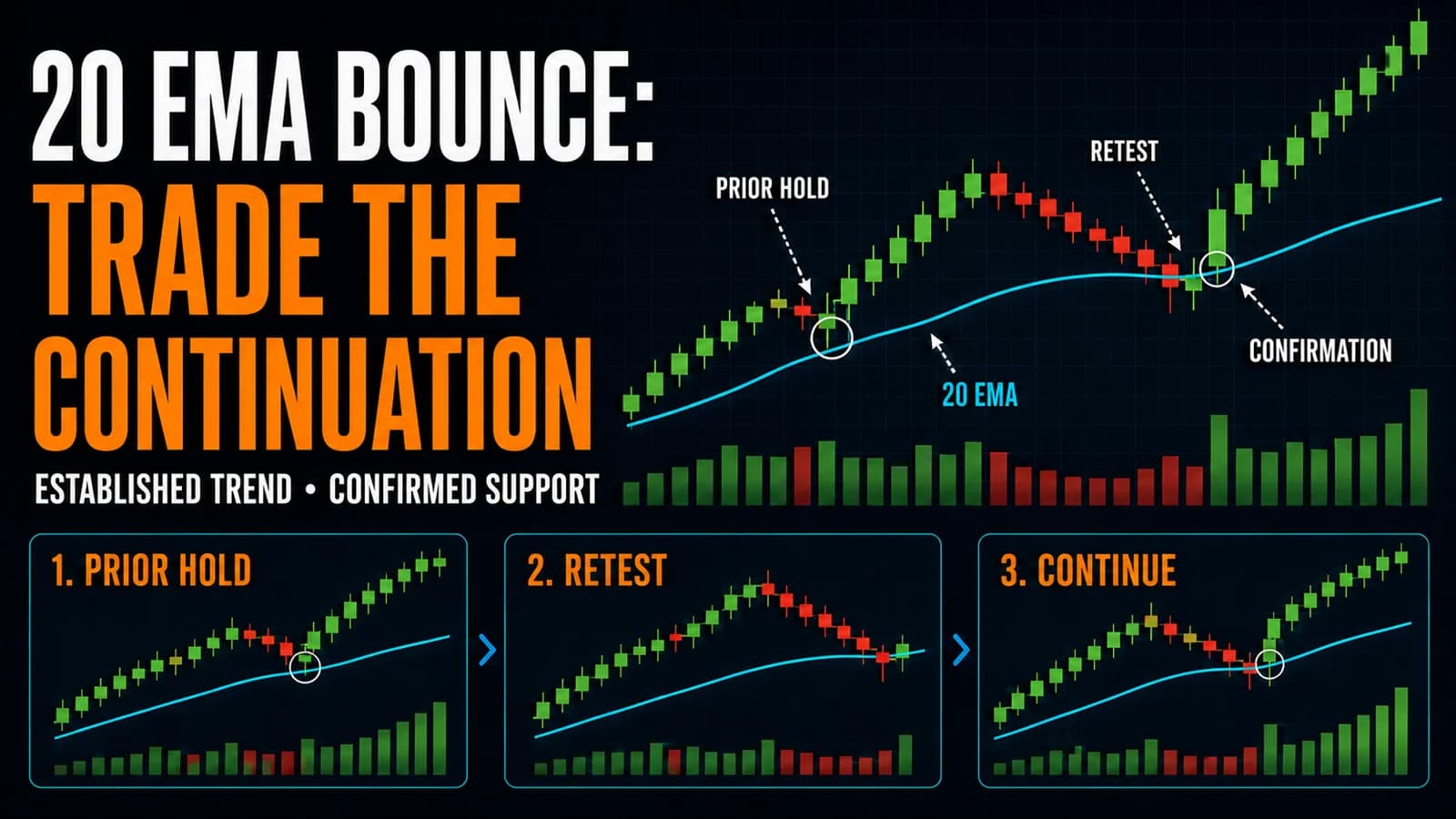
The 20 EMA Bounce Strategy: A Trend Continuation Classic
The 20 EMA bounce strategy explained: how to trade established trend pullbacks, set stops using volatility, and avoid trading unproven trends.
Strategies
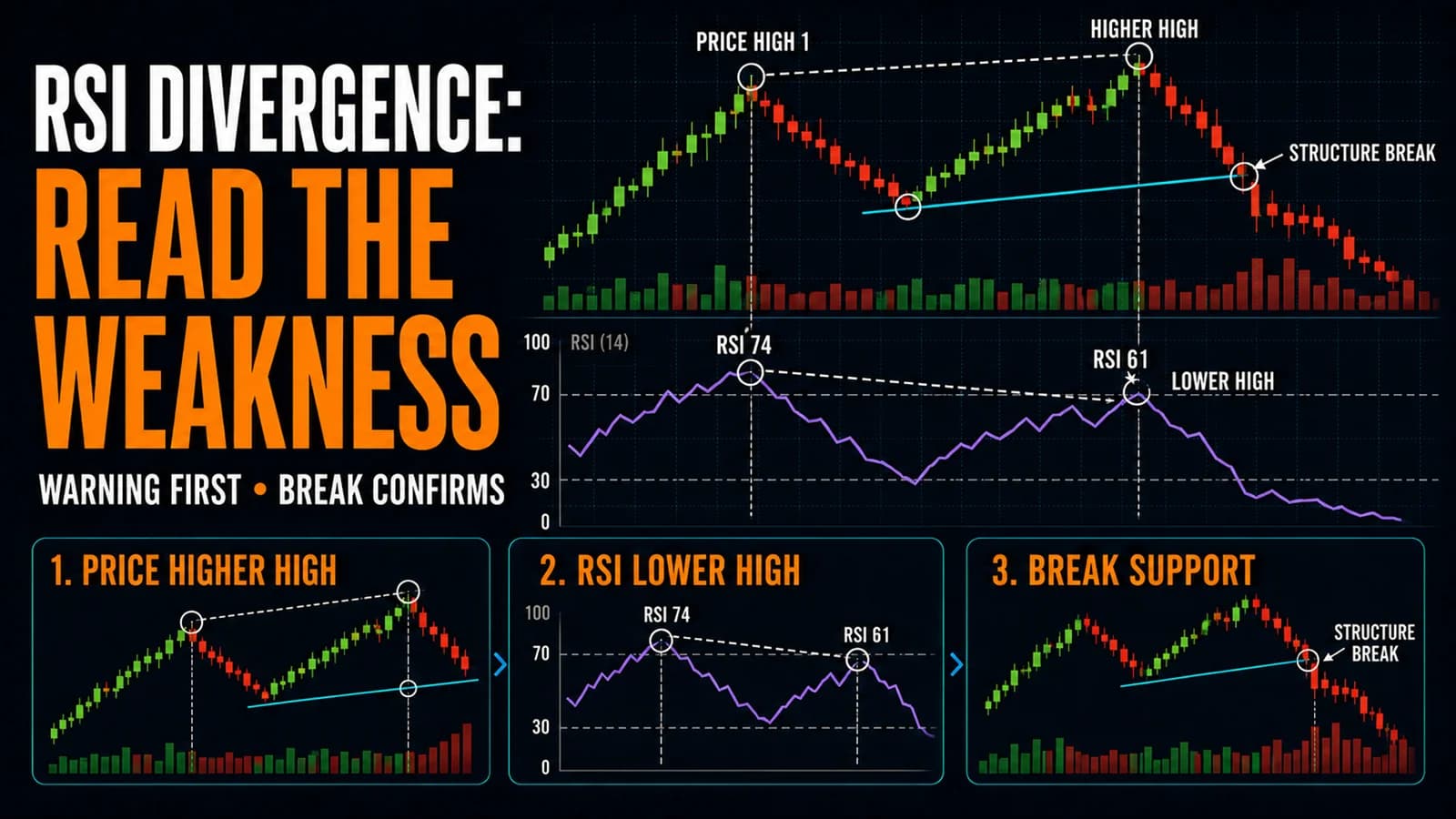
The RSI Divergence Trading Strategy for Day Traders
Trade RSI divergence with confidence: the difference between regular and hidden divergence, and why structural confirmation matters before entering.
Strategies
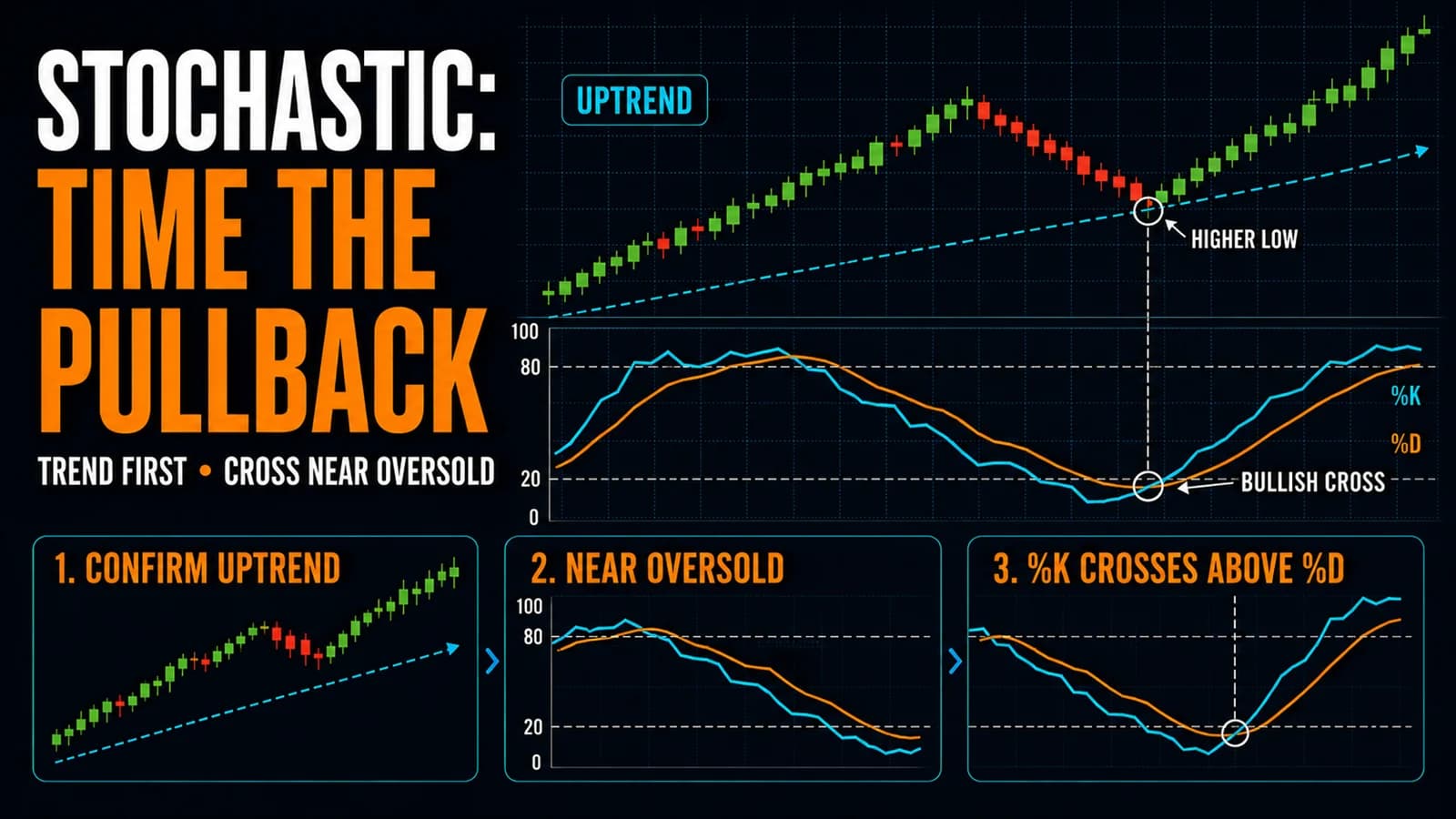
The Stochastic Oscillator Day Trading Strategy
Trade the stochastic oscillator correctly: how %K/%D crossovers work, why context beats raw overbought readings, and common failure modes.
Strategies
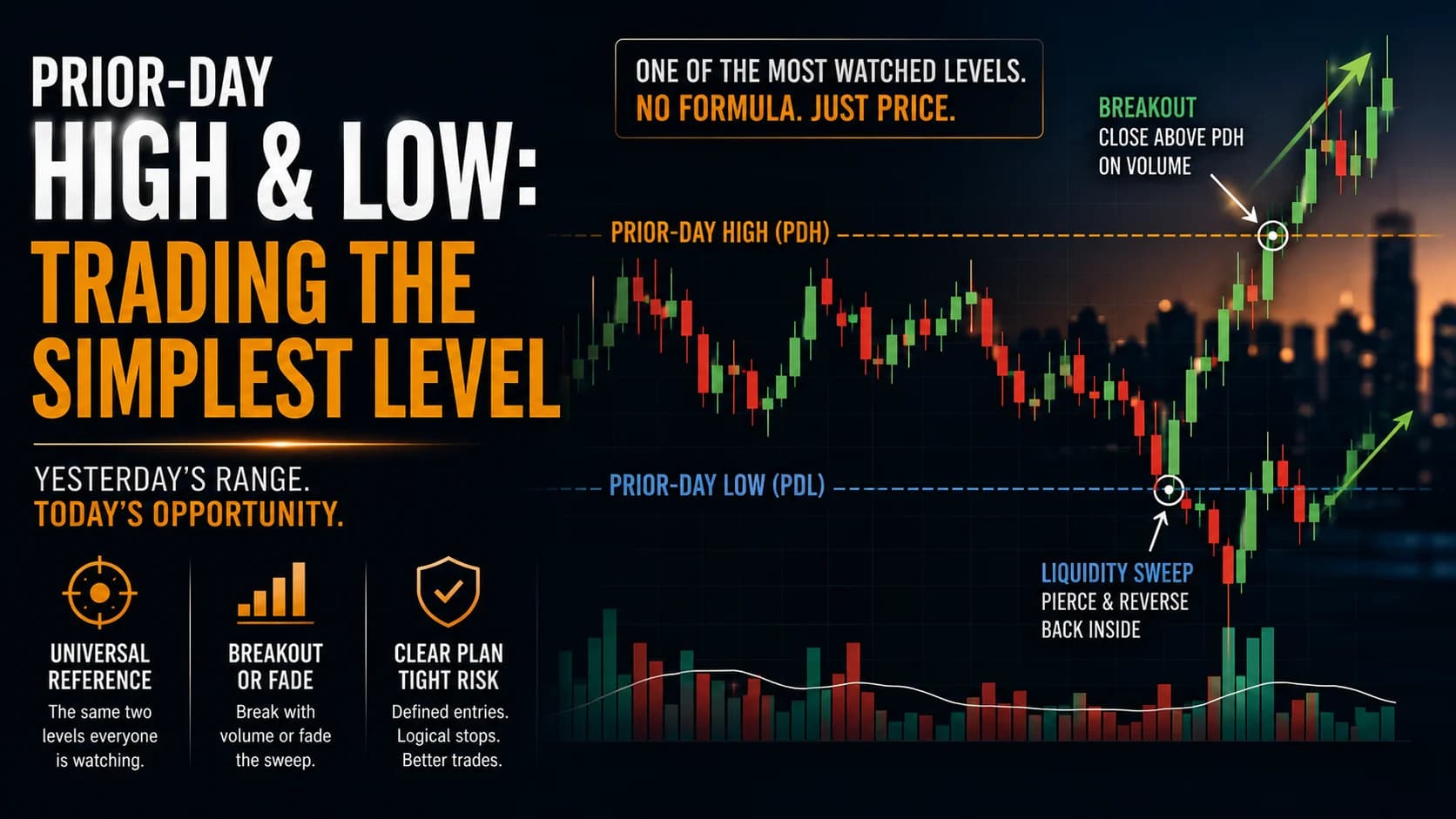
Trading the Breakout of Prior-Day High/Low Levels
PDH and PDL need no formula, just yesterday's range. This guide covers the breakout, the liquidity-sweep fade, and why stops cluster right at these levels.
Comments
No comments yet. Be the first to share your thoughts.