
Author Profile
Kazi Mezanur Rahman
Founder, independent researcher, and editor of DayTradingToolkit. A one-person publication focused on risk-first trading education and documented tool research. He trades his own capital as a retail trader and combines personal market experience with systematic primary-source research.
Areas of expertise
487
Published articles
Risk-first
Editorial focus
Independent
Review standard
About the Author
Kazi Mezanur Rahman is the founder, independent researcher, and editor behind DayTradingToolkit, a one-person publication. He built the site to organize practical trading education, primary-source research, calculators, and documented tool reviews in one place.
Kazi trades his own capital as a retail trader. He does not present himself as a professional trader, full-time trader, financial adviser, broker, accountant, or attorney. His experience comes from personal market participation combined with systematic research. The editorial approach is intentionally conservative: explain risks plainly, disclose affiliate relationships, avoid profit promises, clearly distinguish research from first-hand experience, and correct material errors when they are found.
Kazi oversees the site’s education library, research methodology, review structure, and content updates across beginner lessons, strategy explainers, psychology guides, calculators, and software comparisons.
Author Archive
Articles by Kazi Mezanur Rahman
Page 40 of 41. Showing 12 of 487 published guides, reviews, and trading resources.
Position Sizing for Beginners: How Many Shares to Buy
Position sizing turns a fixed dollar risk into a share count: divide the most you'll lose on the trade by the distance from entry to stop, then check you can afford the shares.

What Is a Stop-Loss Order? How It Works and Why You Use One
A stop-loss order is an order to exit a position once the price reaches a level you set in advance, so a losing trade is closed automatically instead of by hope.
Risk Management in Day Trading: Why It's the #1 Survival Skill
Risk management in day trading means deciding before every trade how much you can lose and having the tools to enforce it, because one oversized loss can erase weeks of small wins.
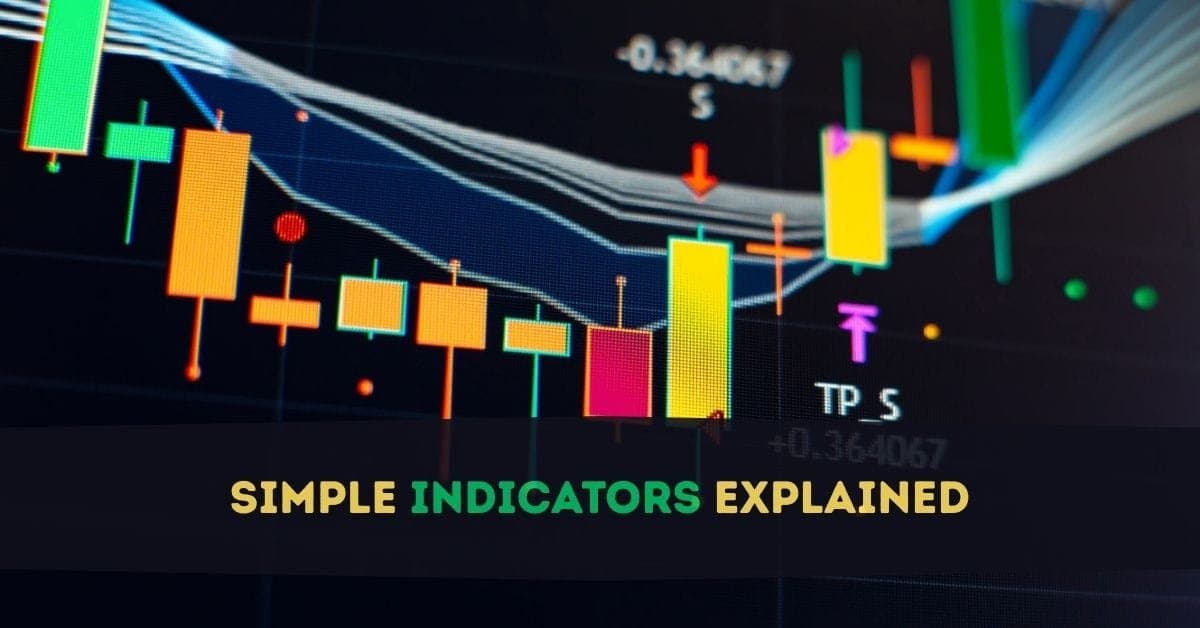
Basic Trading Indicators: Which Few to Start With and Why Less Is More
A trading indicator is a formula applied to past price or volume; beginners do best with very few, usually volume bars and one moving average, because extra indicators mostly repeat the same information and raise confidence more than accuracy.
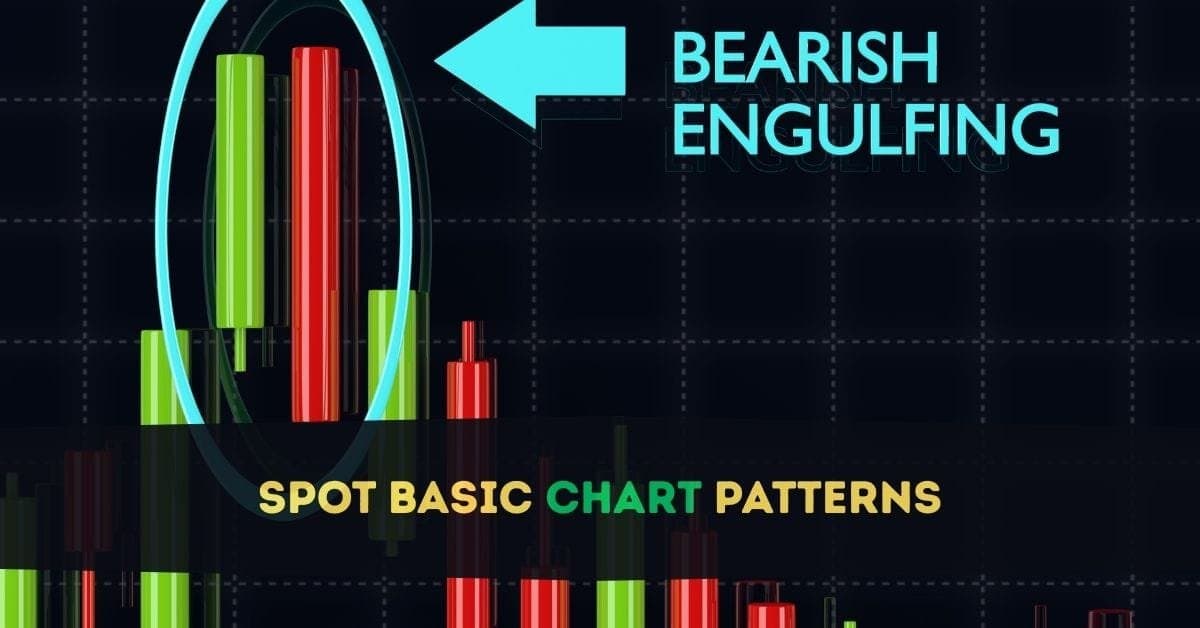
Simple Chart Patterns: The Few Worth Knowing and How Often They Fail
Chart patterns are repeating shapes that support, resistance and price swings make on a chart; a beginner needs only four families (flags, triangles, double tops and bottoms, head and shoulders), and even well-known ones fail often.

Support and Resistance: What They Are and How to Find Them
Support is a price zone where falling prices have repeatedly stopped because buyers stepped in, resistance is a zone where rising prices stalled because sellers did, and you find both by marking where price has already turned.

Liquidity and Volume: Why They Decide What You Can Trade
Liquidity is how easily you can buy or sell a stock without moving its price, and volume is how many shares trade; together they decide which stocks you can trade cheaply and exit safely.

How to Read Candlestick Charts: A Beginner's Guide
A candlestick chart shows each period's open, high, low and close: the body spans the open and close, the wicks reach the high and low, and each finished candle tells the story of who controlled that period.

The Day Trader Mindset: The Traits That Actually Matter
A day trader's mindset is the set of beliefs and habits that let you follow a plan under uncertainty: thinking in probabilities, judging decisions by process, accepting small losses and waiting for your setup.
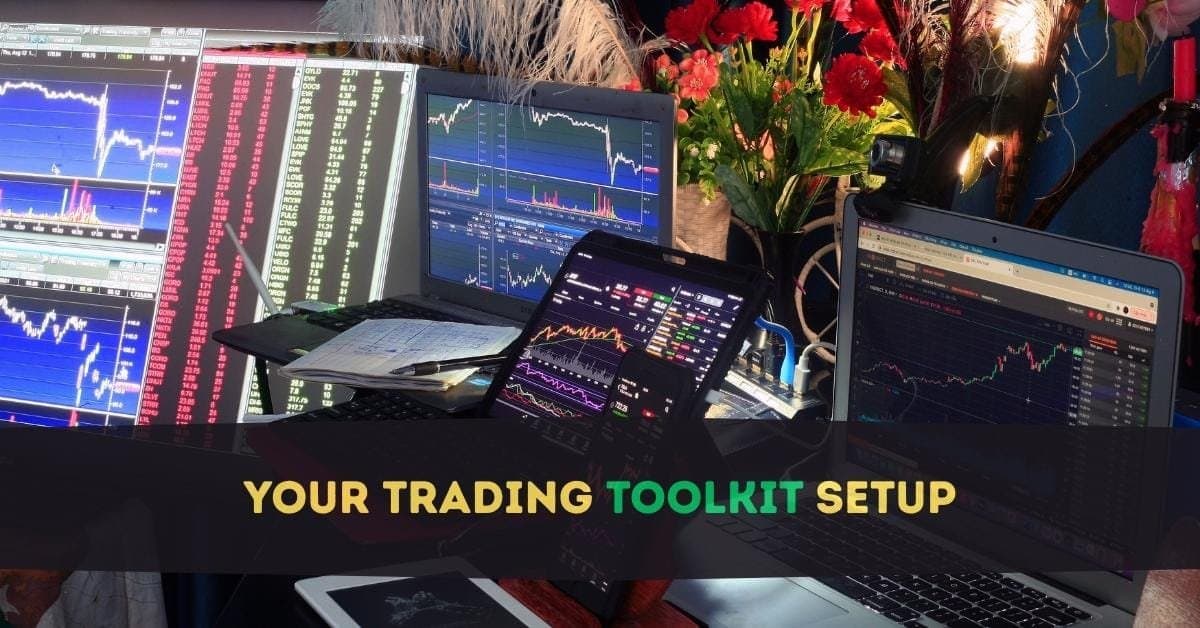
Your Essential Day Trading Setup: Computer, Internet and Software
To start day trading you need a computer you probably already own, a stable low-latency internet connection, free software and a tested backup plan, not a wall of monitors.
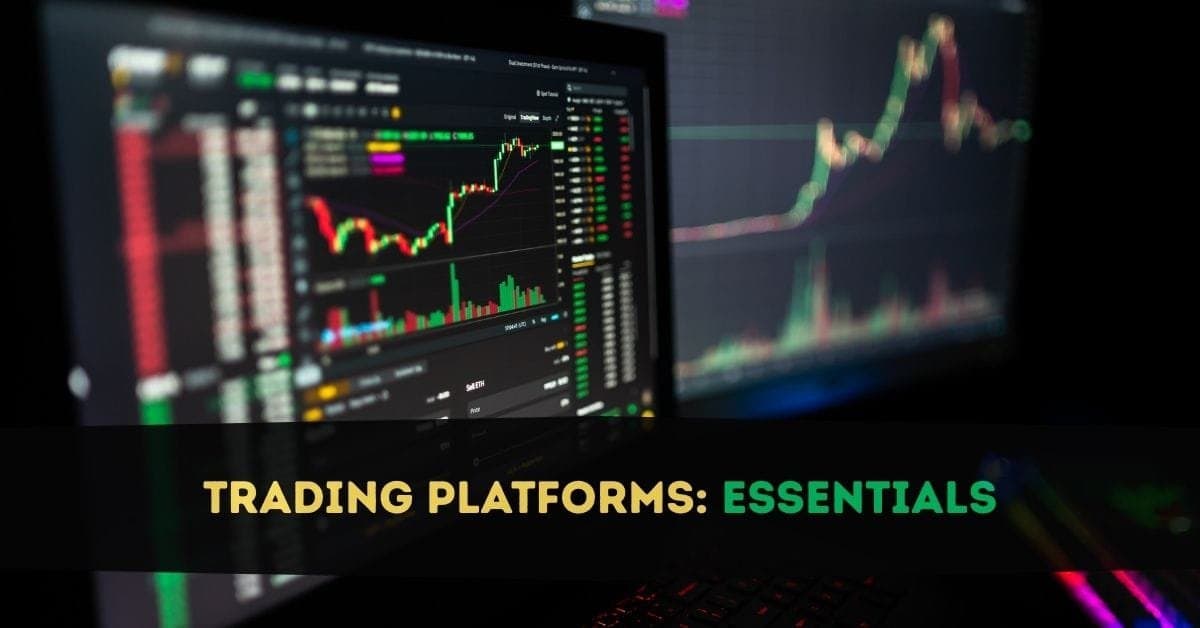
Day Trading Platforms: The 5 Features a Beginner Needs
A day trading platform must give you real-time data, clear charts, safe order entry, position management and a saved workspace; Level 2, hotkeys and AI signals can wait.

Choosing Your First Day Trading Broker: A Beginner's Checklist
To choose a day trading broker, verify it on FINRA BrokerCheck and SIPC first, then compare execution, total cost, platform, account rules, live help and paper trading.