
Author Profile
Kazi Mezanur Rahman
Founder, independent researcher, and editor of DayTradingToolkit. A one-person publication focused on risk-first trading education and documented tool research. He trades his own capital as a retail trader and combines personal market experience with systematic primary-source research.
Areas of expertise
487
Published articles
Risk-first
Editorial focus
Independent
Review standard
About the Author
Kazi Mezanur Rahman is the founder, independent researcher, and editor behind DayTradingToolkit, a one-person publication. He built the site to organize practical trading education, primary-source research, calculators, and documented tool reviews in one place.
Kazi trades his own capital as a retail trader. He does not present himself as a professional trader, full-time trader, financial adviser, broker, accountant, or attorney. His experience comes from personal market participation combined with systematic research. The editorial approach is intentionally conservative: explain risks plainly, disclose affiliate relationships, avoid profit promises, clearly distinguish research from first-hand experience, and correct material errors when they are found.
Kazi oversees the site’s education library, research methodology, review structure, and content updates across beginner lessons, strategy explainers, psychology guides, calculators, and software comparisons.
Author Archive
Articles by Kazi Mezanur Rahman
Page 39 of 41. Showing 12 of 487 published guides, reviews, and trading resources.
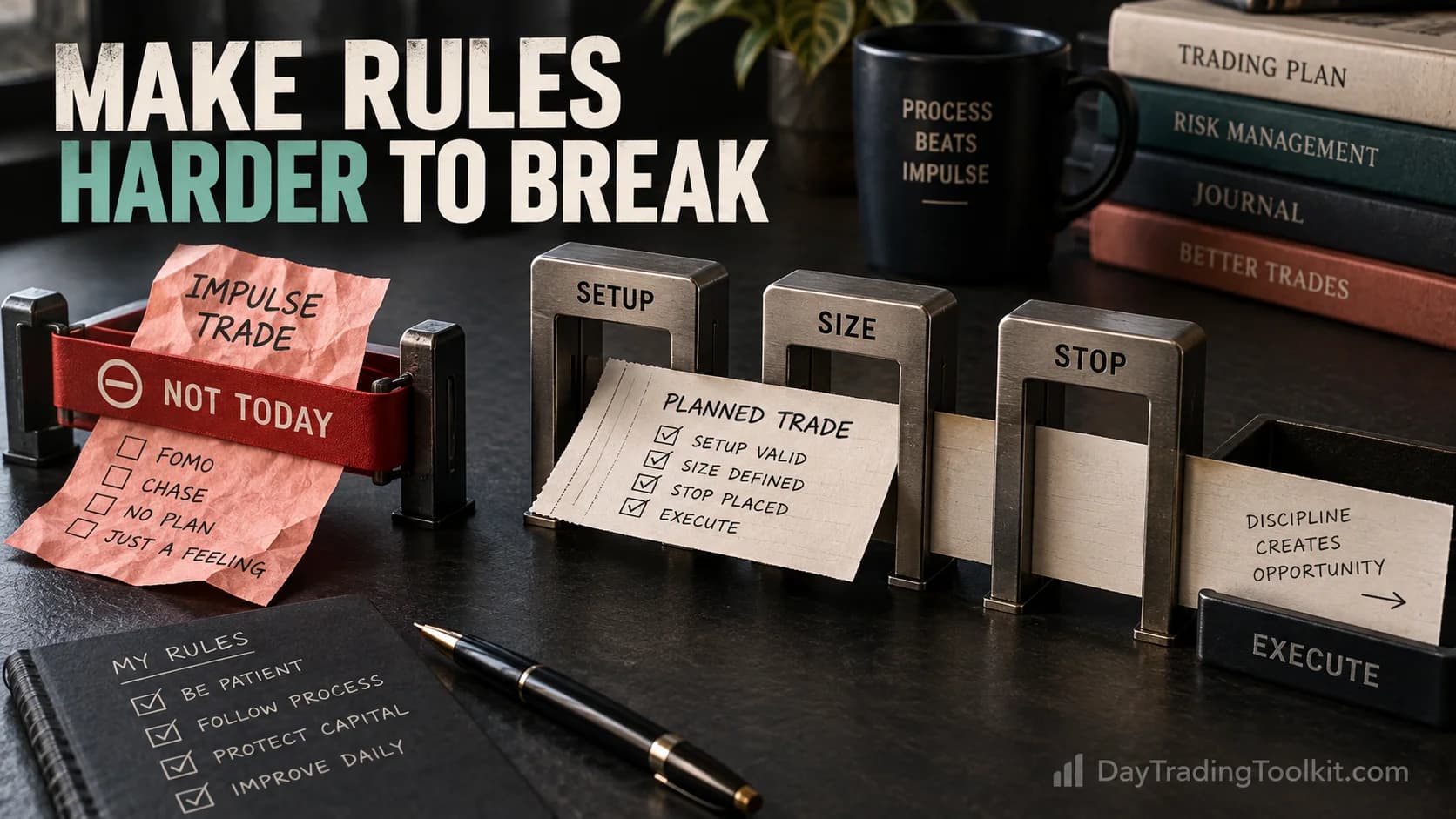
Trading Discipline: The Real Difference Between Winning and Losing Traders
Why 97% of day traders fail — and it's not strategy. Ego depletion research, the discipline architecture framework, and the systems that replace willpower with structure.
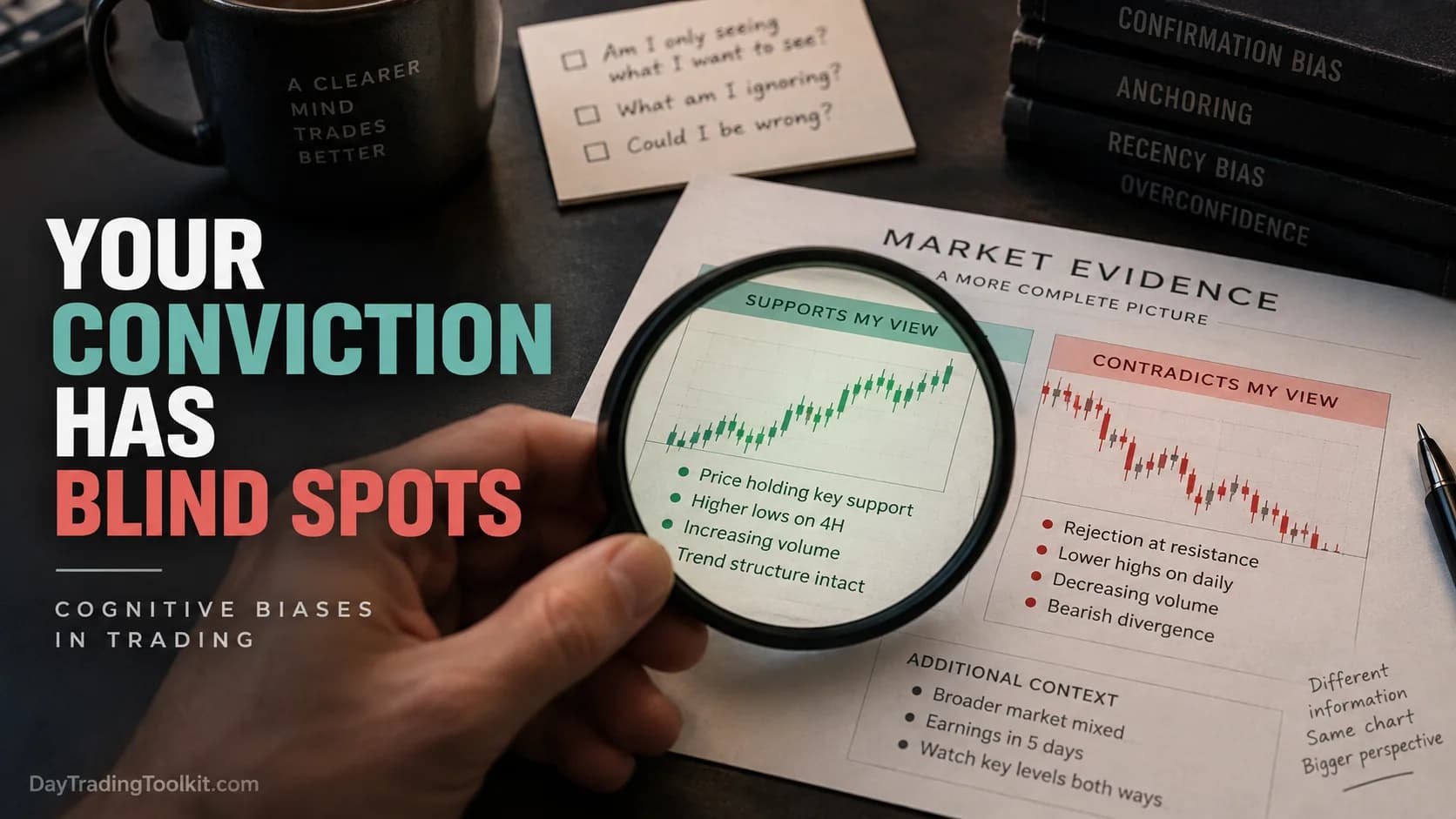
Trading Cognitive Biases: The Hidden Psychology That's Destroying Your Account
Discover the cognitive biases destroying your trading account. Deep research on overconfidence (3 types), confirmation, anchoring, and a bias defense system that works.
The 10 Deadly Sins of Beginner Day Traders (and the Fix for Each)
Most beginner day trading losses come from ten repeatable mistakes, from no plan and no stops to chasing, revenge trading and overtrading, and each one has a specific, practical fix.
Day Trading Taxes for Beginners: What to Know Before Your First Tax Season
In the US, day trading gains are short-term capital gains taxed as ordinary income, losses beyond gains are deductible only up to $3,000 a year, and the wash sale rule can move losses between trades and tax years.
Trading Discipline: How to Actually Stick to Your Plan
Trading discipline means following your written plan on every trade, and it comes less from willpower than from if-then rules decided in advance and a habit of counting every rule break.

Fear and Greed in Trading: How They Show Up and How to Manage Them
Fear and greed are the two emotions that most often pull traders off their plan: fear cuts winners short and freezes entries, greed oversizes and overstays, and both are managed best with decisions made before the trade.
Stock Scanners for Day Trading: How Beginners Find Stocks to Watch
A stock scanner checks thousands of stocks against conditions you set and lists the few that match, telling you what to look at, never what to trade.

Building Your First Trading Plan: A Template for Beginners
A trading plan is a written rulebook for what you trade, when, how much you risk and how you'll act in each situation, specific enough that someone else could follow it.

How to Set Up a Paper Trading Account That Mirrors Your Real One
To set up a paper trading account properly, open the simulator on the platform you'll trade live, reset the balance to the money you'll really fund, mirror your account type and settlement, turn on real-time data, and copy your live settings and rules.

Why Paper Trading Is Essential for Beginners (and What It Can't Prove)
Paper trading is practice with virtual money on real market data; it's essential because it lets you learn the platform, test your rules and find your costliest habits before a single real dollar is at risk.
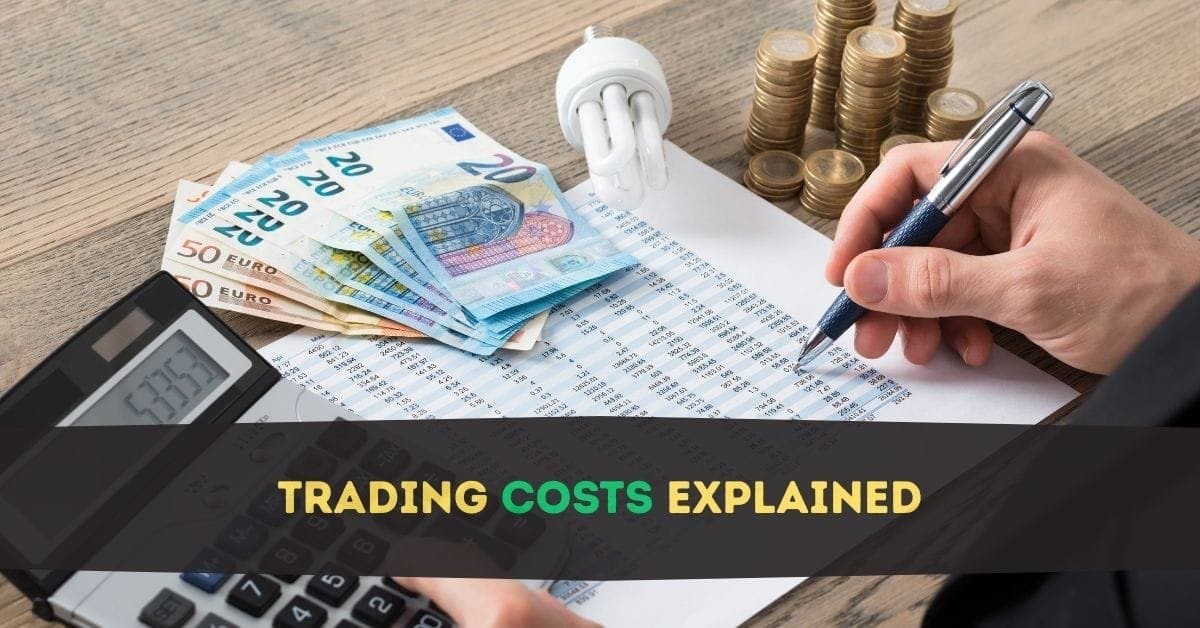
Brokerage Costs Explained: Commissions, Fees and Spreads
Brokerage costs include commissions, regulatory fees on sales, margin interest and account fees, plus hidden costs like the bid-ask spread, which is usually a beginner's biggest cost.
The Risk/Reward Ratio: How to Calculate It and When to Skip a Trade
The risk/reward ratio compares the distance from your entry to your stop with the distance to a realistic target, and it tells you what share of trades you must win to break even.