
Author Profile
Kazi Mezanur Rahman
Founder, independent researcher, and editor of DayTradingToolkit. A one-person publication focused on risk-first trading education and documented tool research. He trades his own capital as a retail trader and combines personal market experience with systematic primary-source research.
Areas of expertise
461
Published articles
Risk-first
Editorial focus
Independent
Review standard
About the Author
Kazi Mezanur Rahman is the founder, independent researcher, and editor behind DayTradingToolkit, a one-person publication. He built the site to organize practical trading education, primary-source research, calculators, and documented tool reviews in one place.
Kazi trades his own capital as a retail trader. He does not present himself as a professional trader, full-time trader, financial adviser, broker, accountant, or attorney. His experience comes from personal market participation combined with systematic research. The editorial approach is intentionally conservative: explain risks plainly, disclose affiliate relationships, avoid profit promises, clearly distinguish research from first-hand experience, and correct material errors when they are found.
Kazi oversees the site’s education library, research methodology, review structure, and content updates across beginner lessons, strategy explainers, psychology guides, calculators, and software comparisons.
Author Archive
Articles by Kazi Mezanur Rahman
Page 36 of 39. Showing 12 of 461 published guides, reviews, and trading resources.

Day Trading Strategies: Finding the Right Approach for Your Trading Style
Discover the 6 core day trading strategies, learn which fits your personality and schedule, and avoid the #1 mistake that kills most trading accounts.
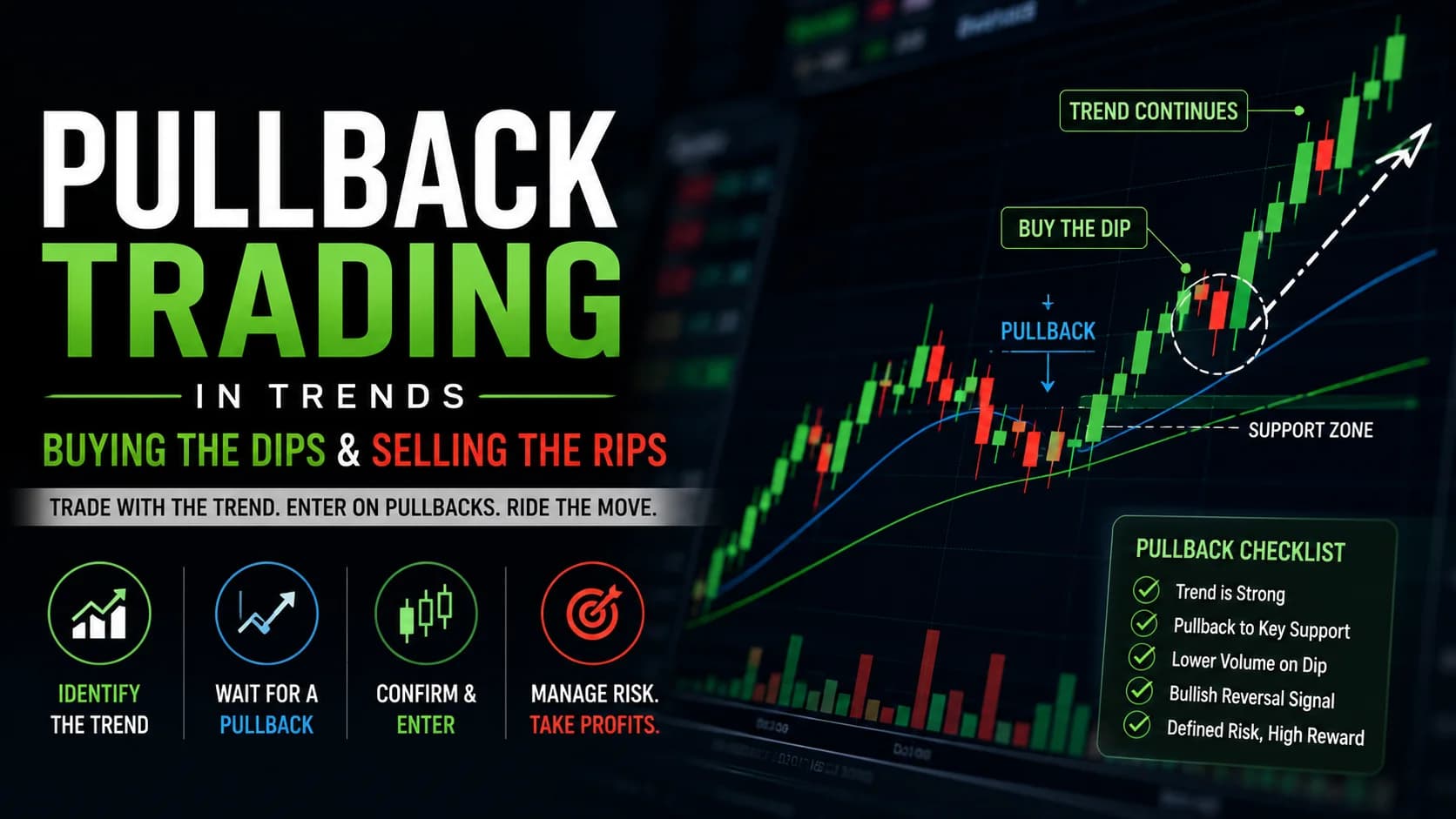
Buying the Dips & Selling the Rips: Mastering Pullback Trading in Trends
Master pullback trading with our framework for identifying high-probability dips in uptrends and rips in downtrends. Entry methods, volume diagnostics, and failure modes.

Dodging the Burnout Bullet: Keeping Your Trading Sustainable
Trader burnout is real, measurable, and preventable. The WHO-classified burnout framework adapted for trading, the three warning dimensions, and a sustainability protocol that works.

Bouncing Back: Building Resilience and Mental Toughness for Trading
Resilience separates traders who last from those who quit. The psychology of grit, growth mindset, and post-traumatic growth — applied to trading with practical frameworks.
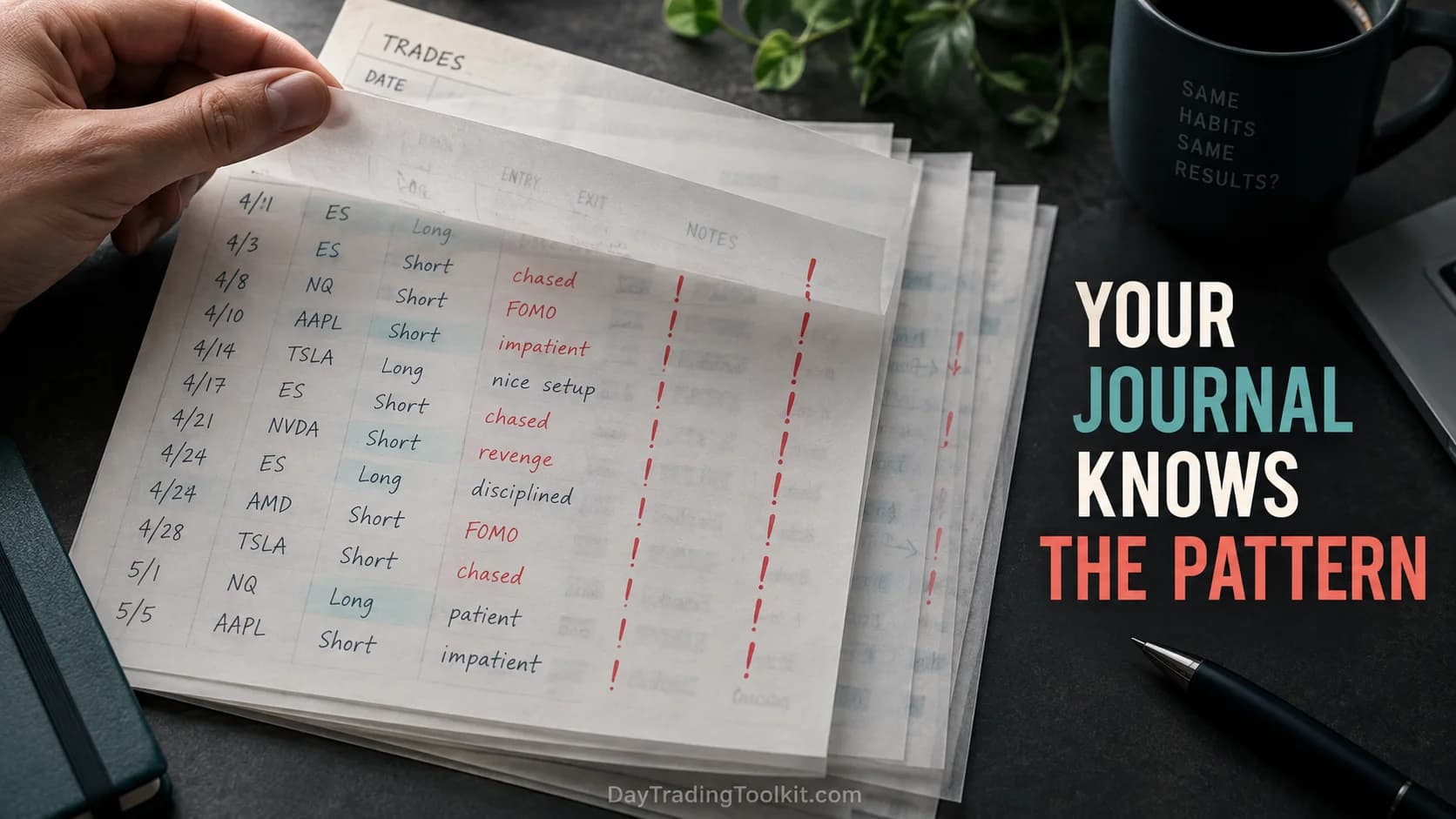
Trading Journal Psychology: Your Personal Trading Therapist
Your trading journal is a psychological intervention tool, not a spreadsheet. CBT-based frameworks, the 7 fields that diagnose your biases, and how to read your own behavioral data.
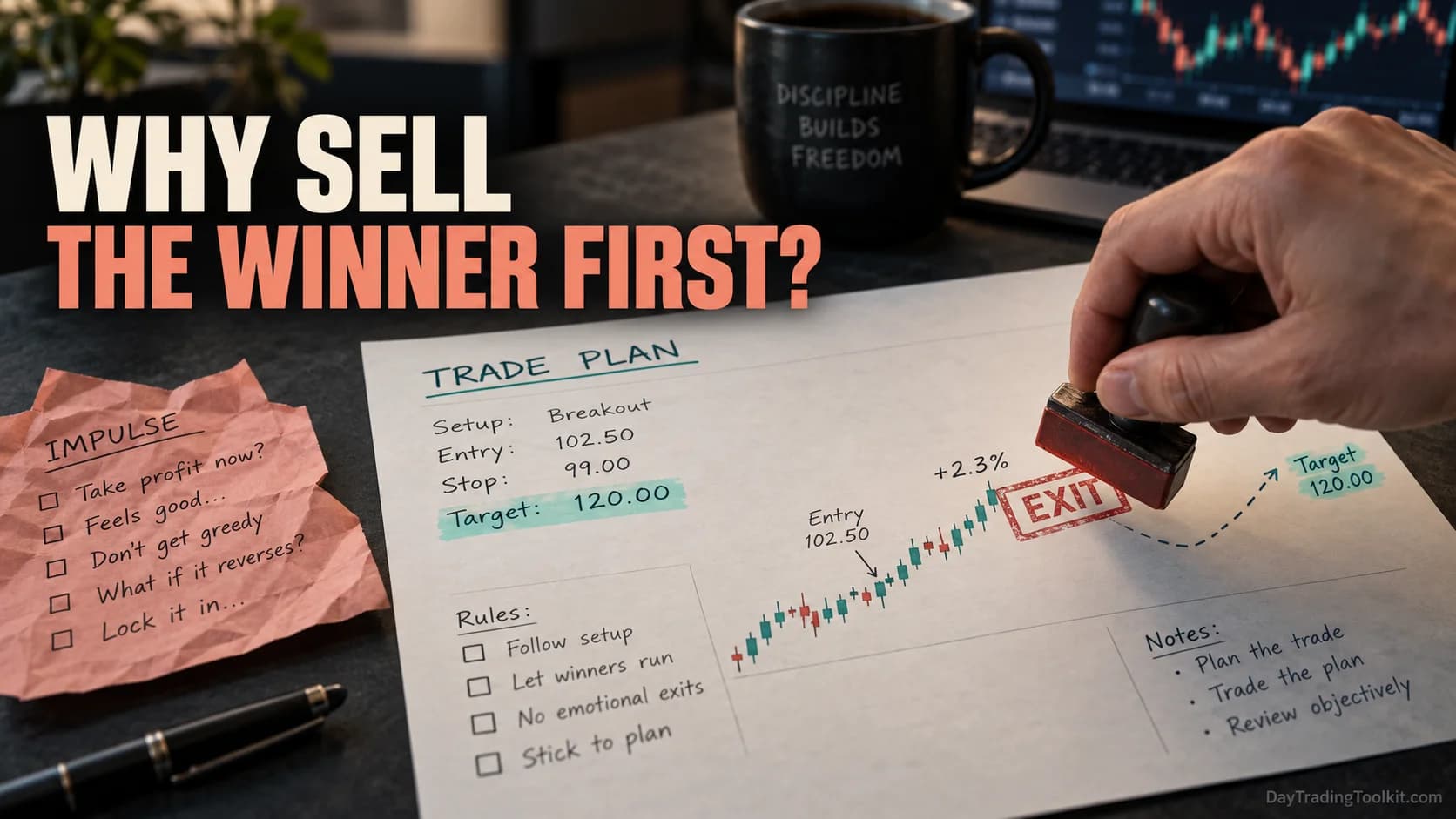
The Hardest Part? Handling Profits — The Psychology of Risk/Reward
The disposition effect costs traders 3-5% annually. Learn why you sell winners too early and hold losers too long — plus the self-audit framework to detect and fix it.
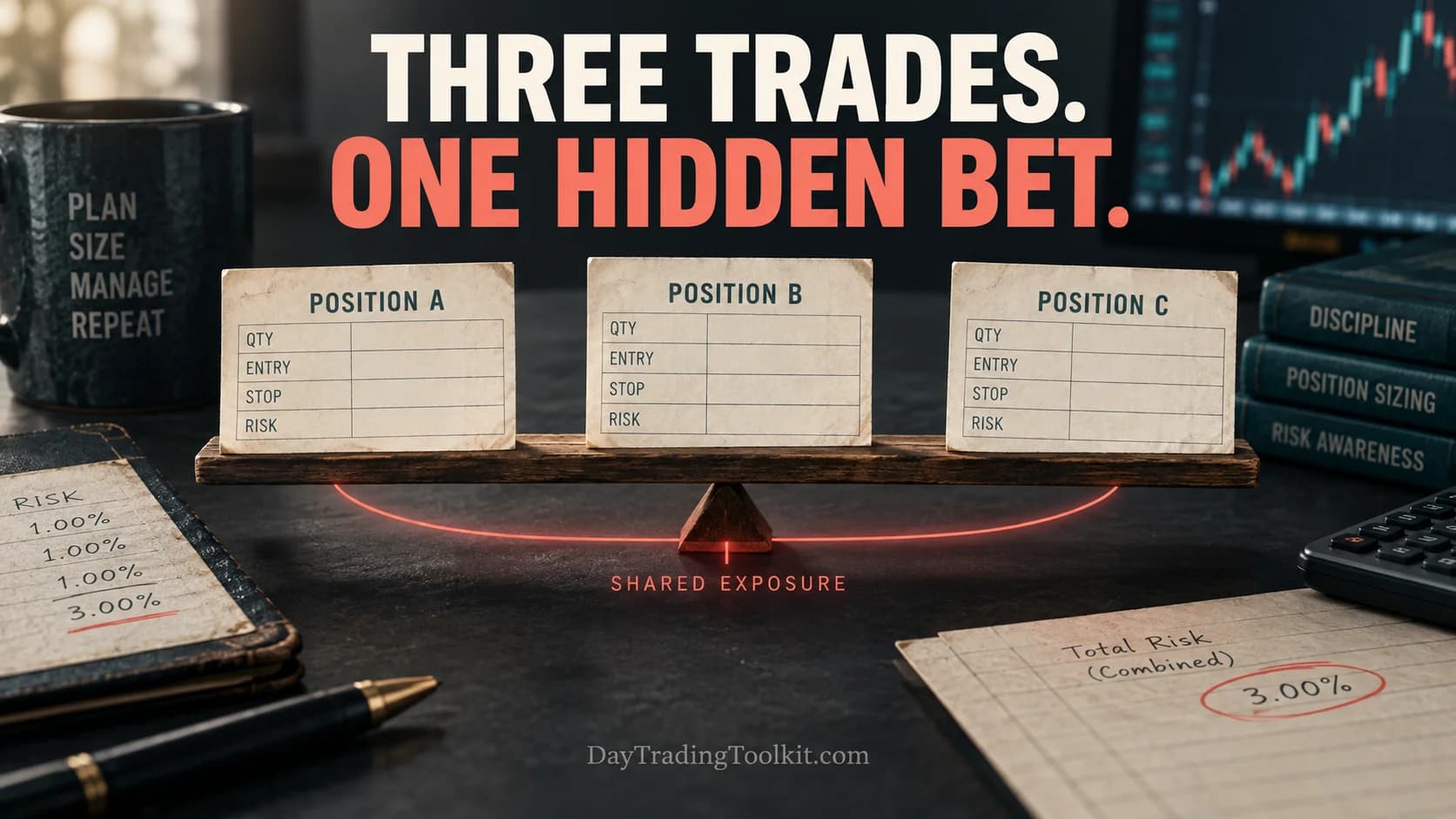
Advanced Risk Management Techniques in Day Trading
Beyond the 1% rule: risk of ruin math, Kelly Criterion, ATR-based sizing, correlation risk, and dynamic risk scaling. The advanced frameworks pro traders actually use.
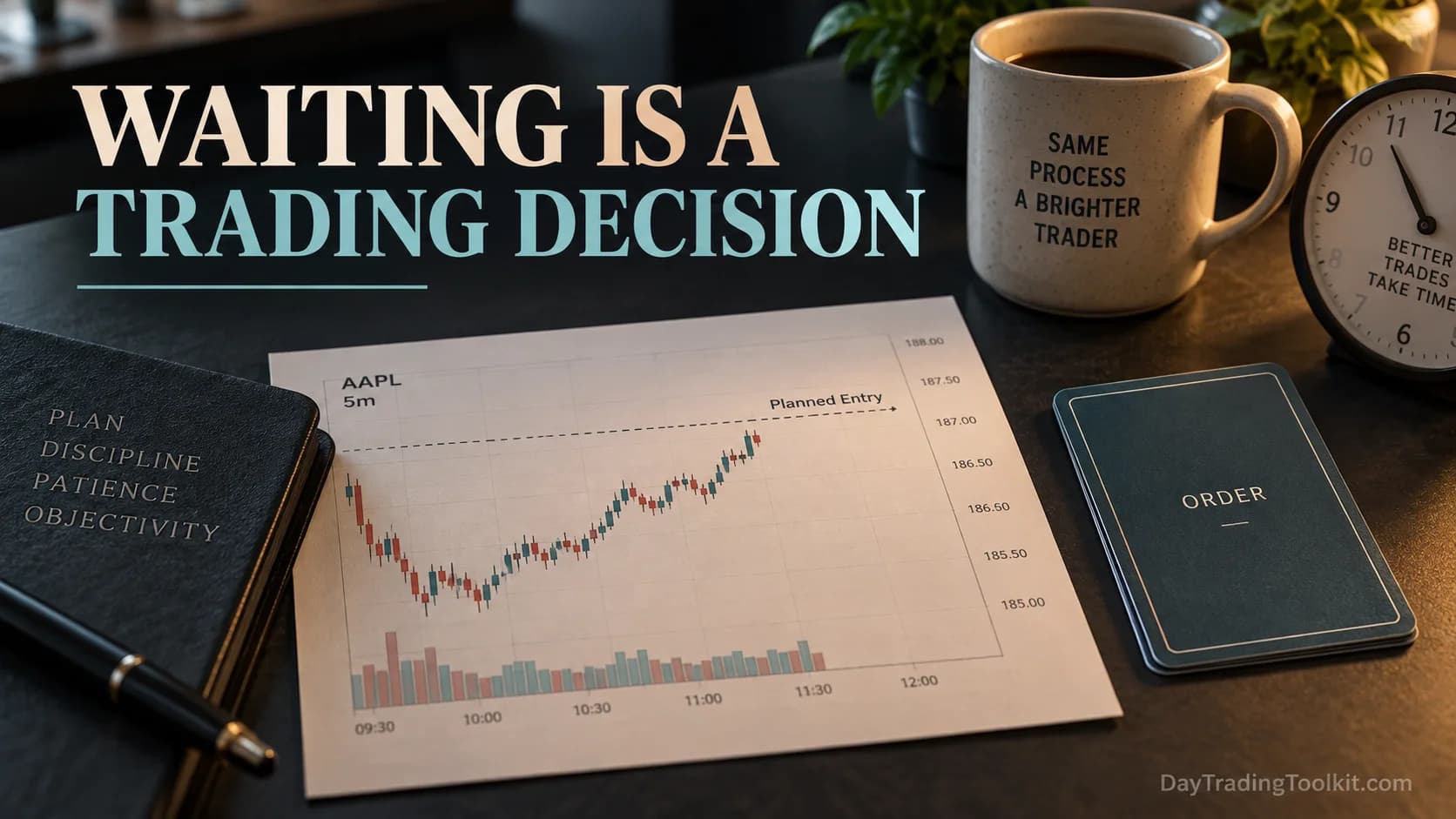
The Waiting Game: Finding Patience & Staying Objective
The trades you don't take earn more than the ones you chase. Research-backed patience training, the objectivity framework, and why selectivity beats activity.
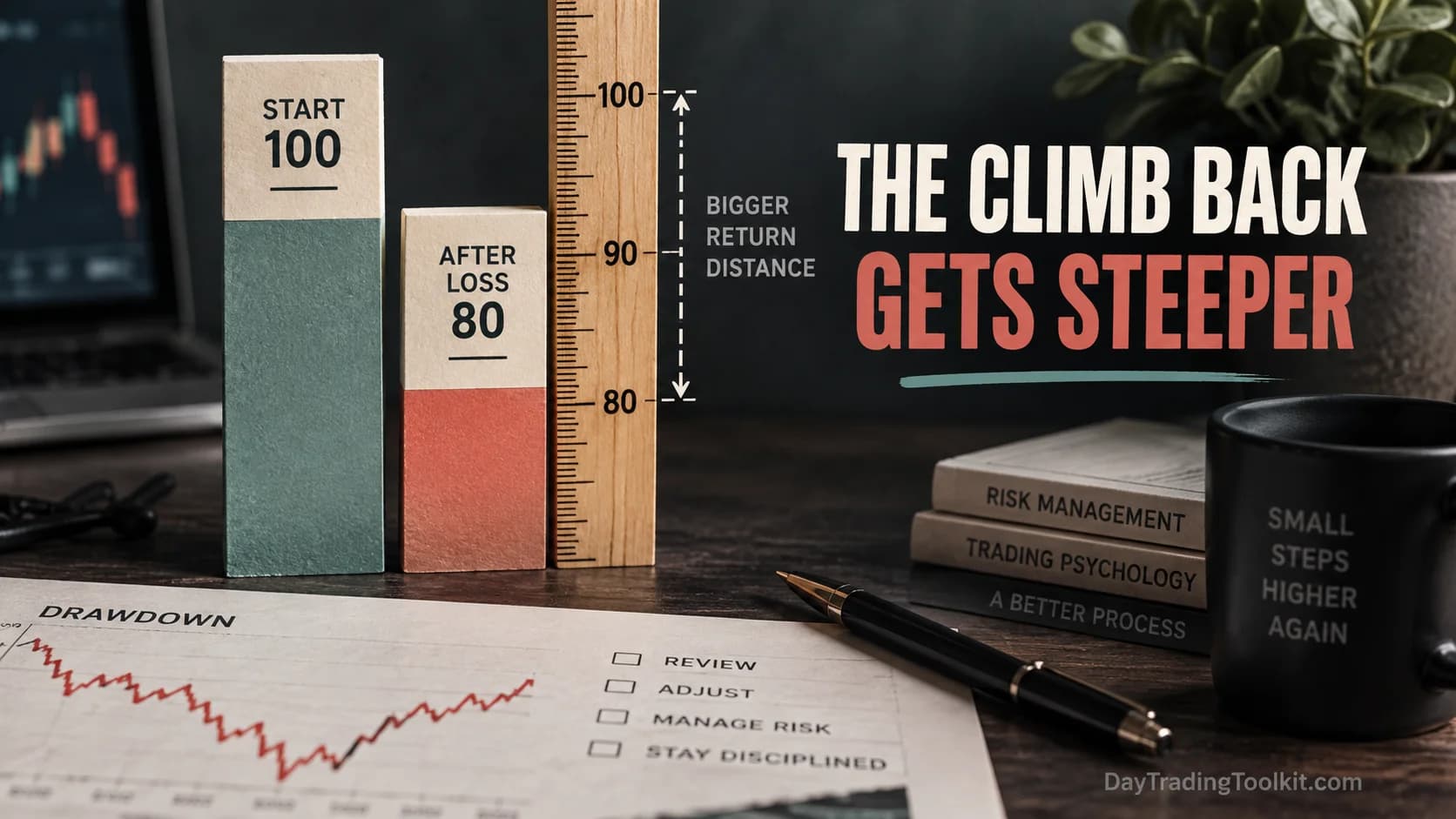
Dealing with Trading Losses and Drawdowns: A Pro Trader's Survival Guide
How pro traders survive losses and drawdowns without spiraling. The science of why losses hurt, the math of recovery, and a structured protocol to get back on track.
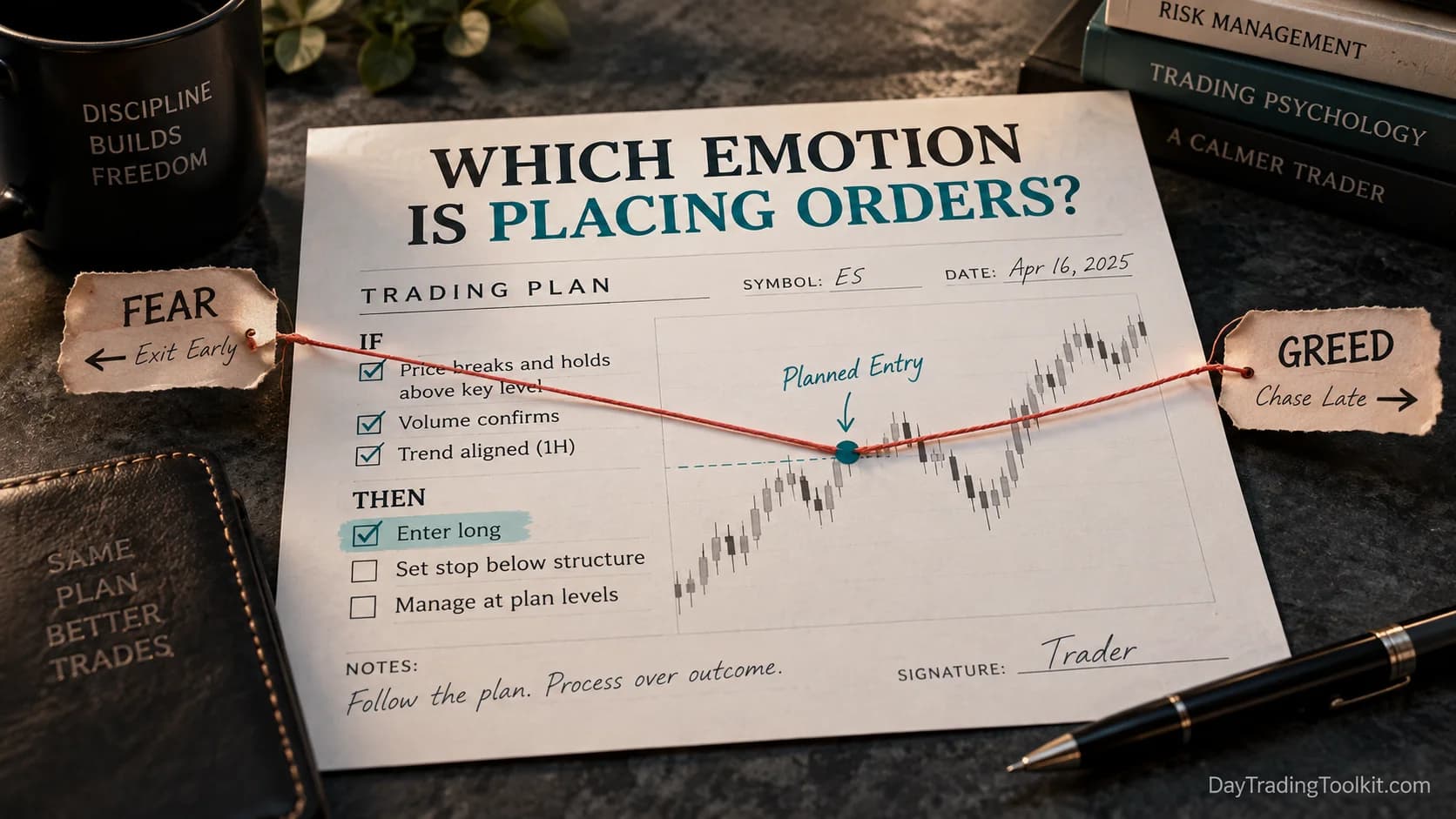
How to Manage Fear and Greed in Trading: A Psychology-Backed Framework
Master fear and greed in trading with our psychology-backed 5-layer framework. Neuroscience research, hormone data, and actionable techniques used by pro traders.
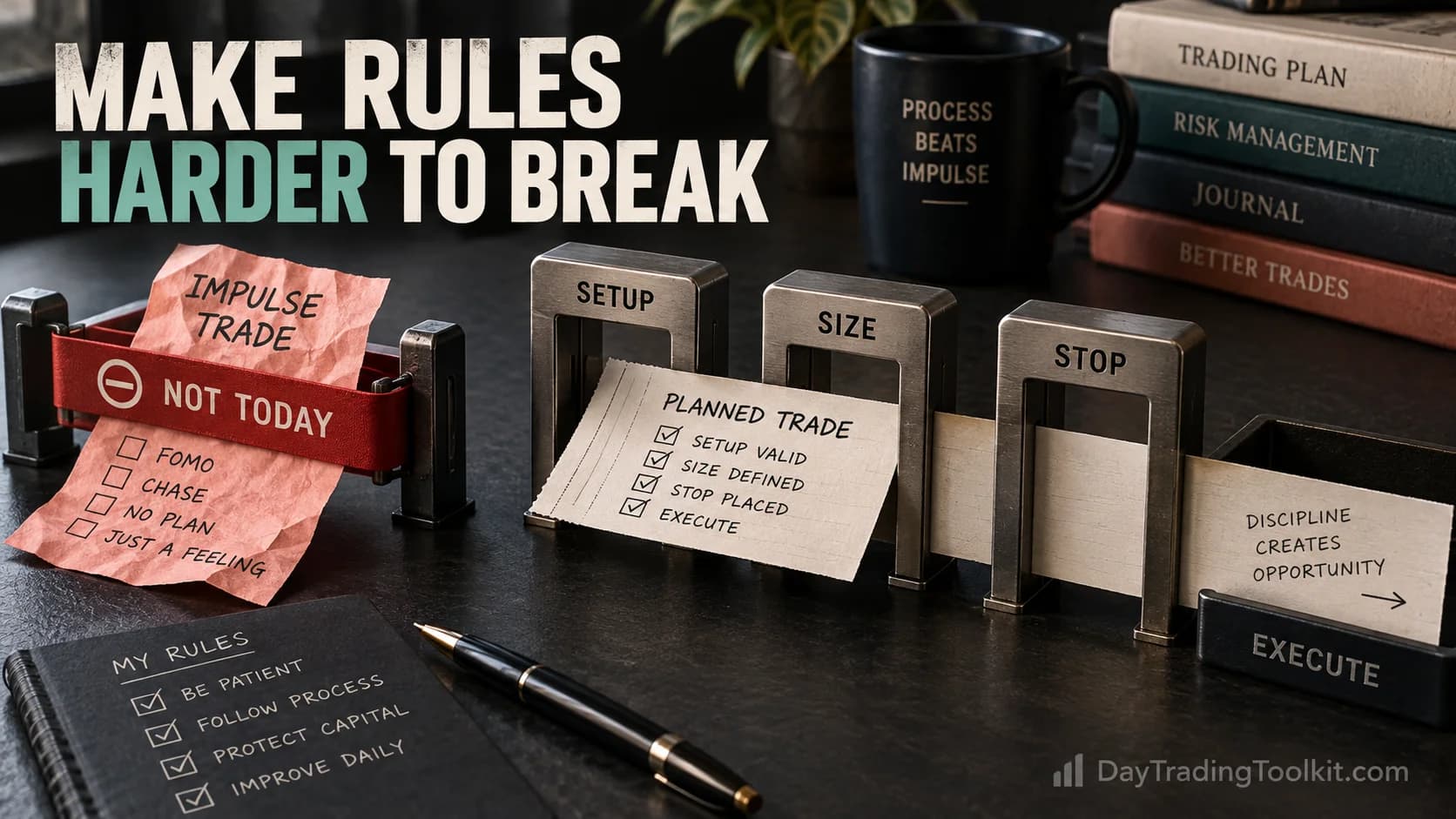
Trading Discipline: The Real Difference Between Winning and Losing Traders
Why 97% of day traders fail — and it's not strategy. Ego depletion research, the discipline architecture framework, and the systems that replace willpower with structure.
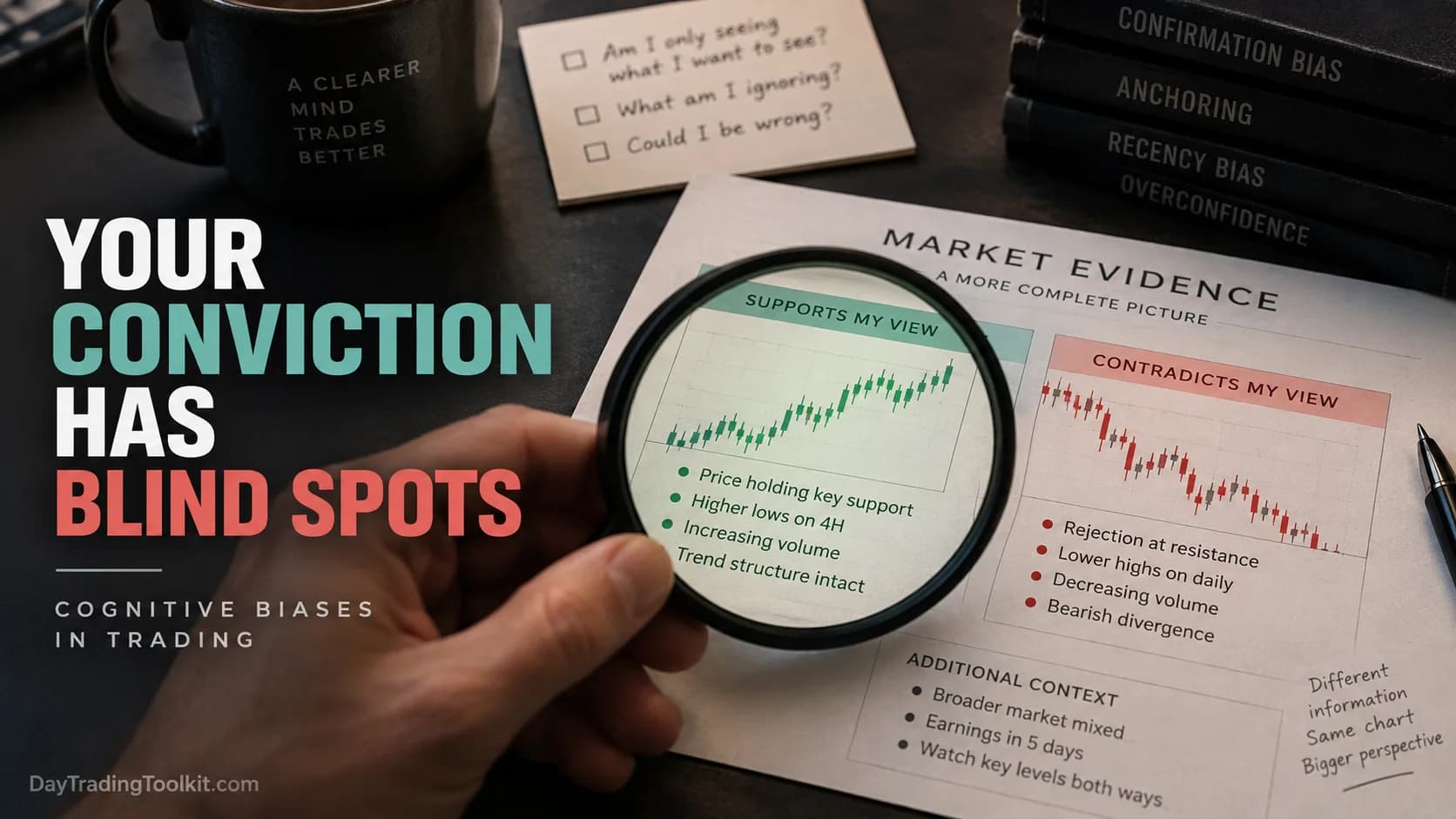
Trading Cognitive Biases: The Hidden Psychology That's Destroying Your Account
Discover the cognitive biases destroying your trading account. Deep research on overconfidence (3 types), confirmation, anchoring, and a bias defense system that works.