Trading Cognitive Biases: The Hidden Psychology That's Destroying Your Account
Discover the cognitive biases destroying your trading account. Research on overconfidence, confirmation, anchoring, and a bias defense system that works.
25 guides on the mental side of day trading and the rules that protect your account: controlling fear and greed, stopping revenge trading, following your plan, recovering from drawdowns, sizing positions and trading without burning out.
Fear, greed and cognitive biases such as overconfidence, loss aversion and confirmation bias push traders to enter too early, cut winners short and hold losing trades too long. These guides explain where each pattern comes from and how to catch it before it turns into an order.
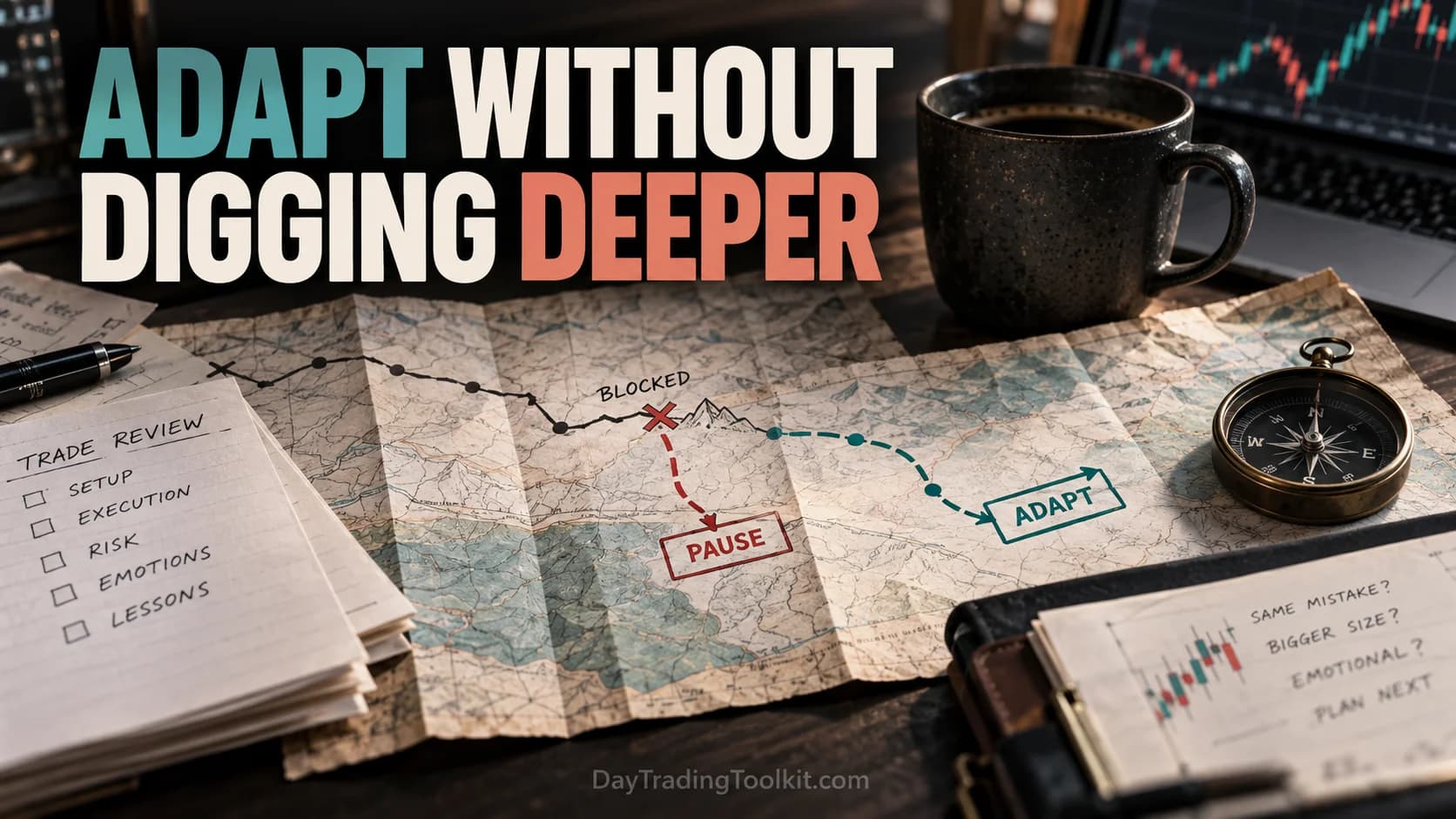
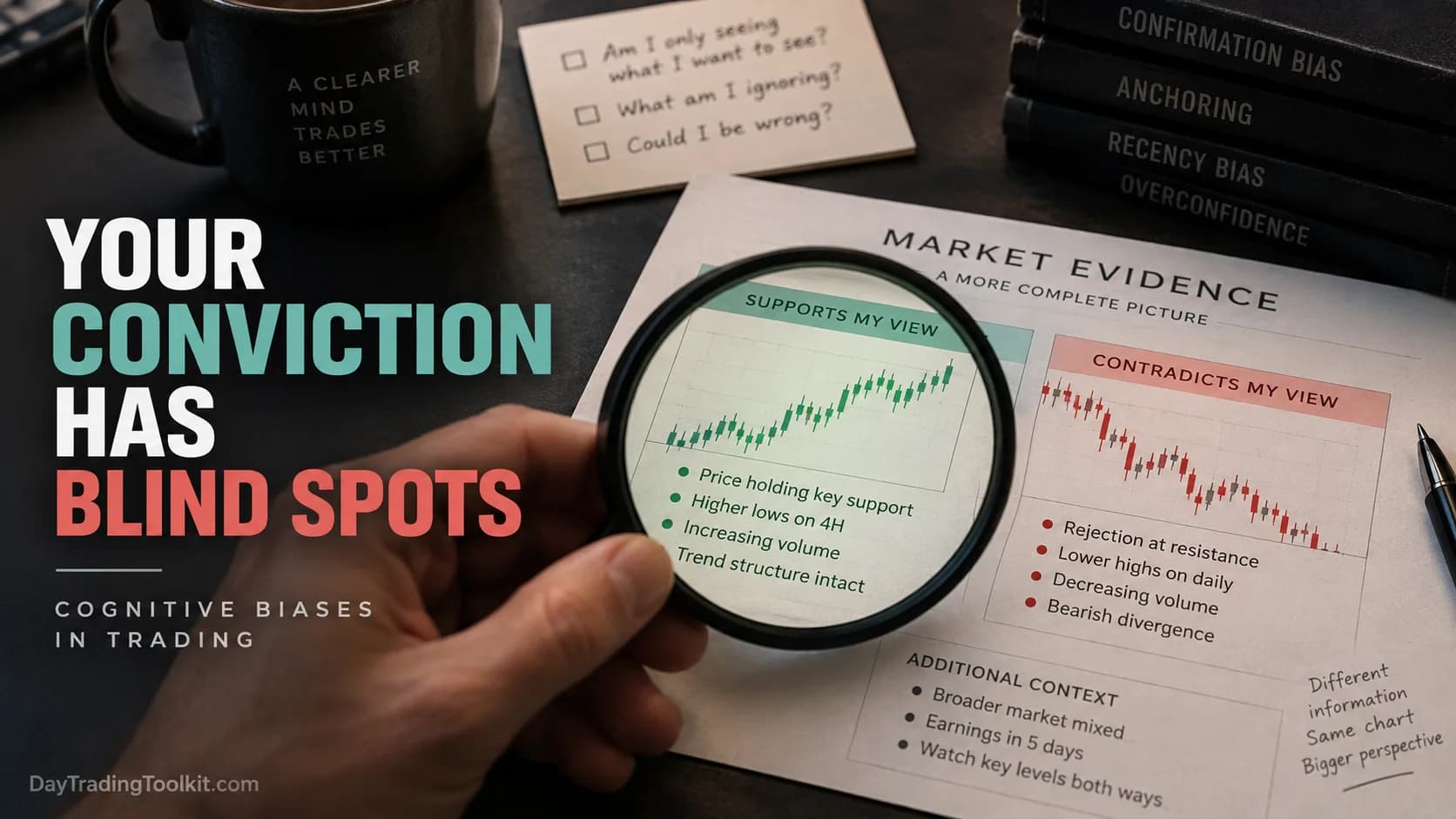
Discover the cognitive biases destroying your trading account. Research on overconfidence, confirmation, anchoring, and a bias defense system that works.
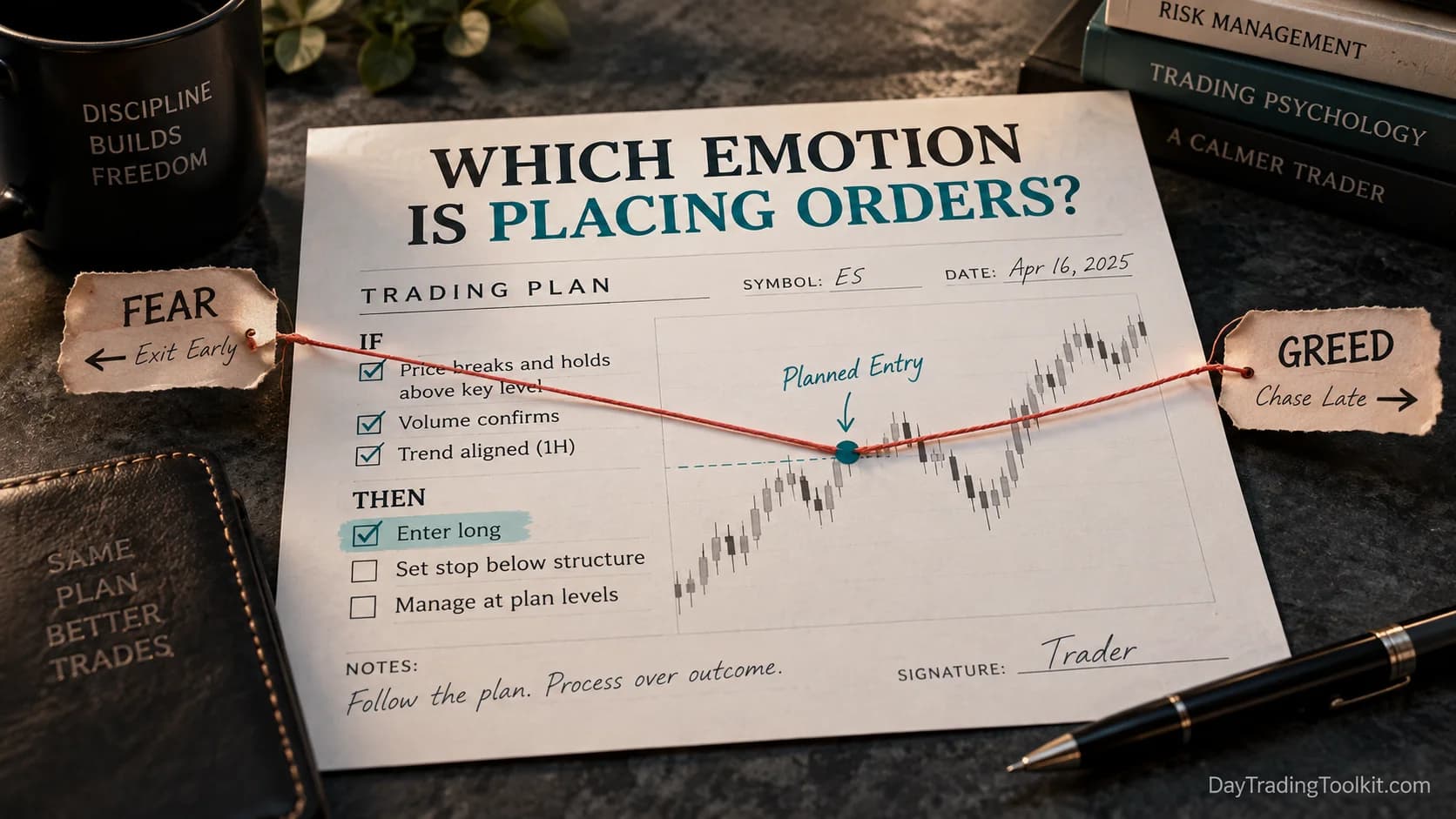
Master fear and greed in trading with our psychology-backed 5-layer framework. Neuroscience research and techniques used by pro traders.
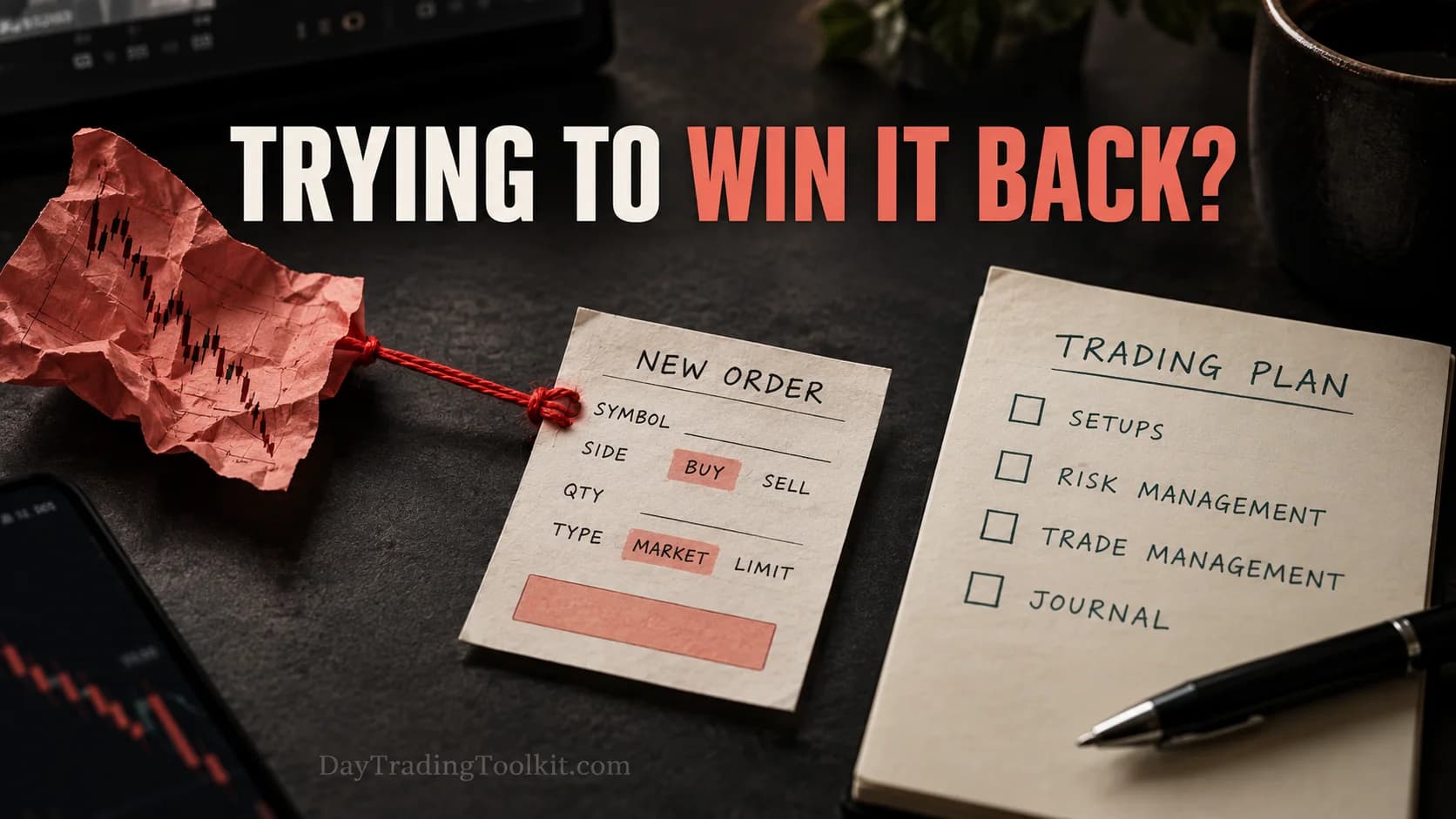
Stop revenge trading with our neuroscience-backed circuit breaker protocol. The 5 stages of a spiral and the recovery framework pro traders use.
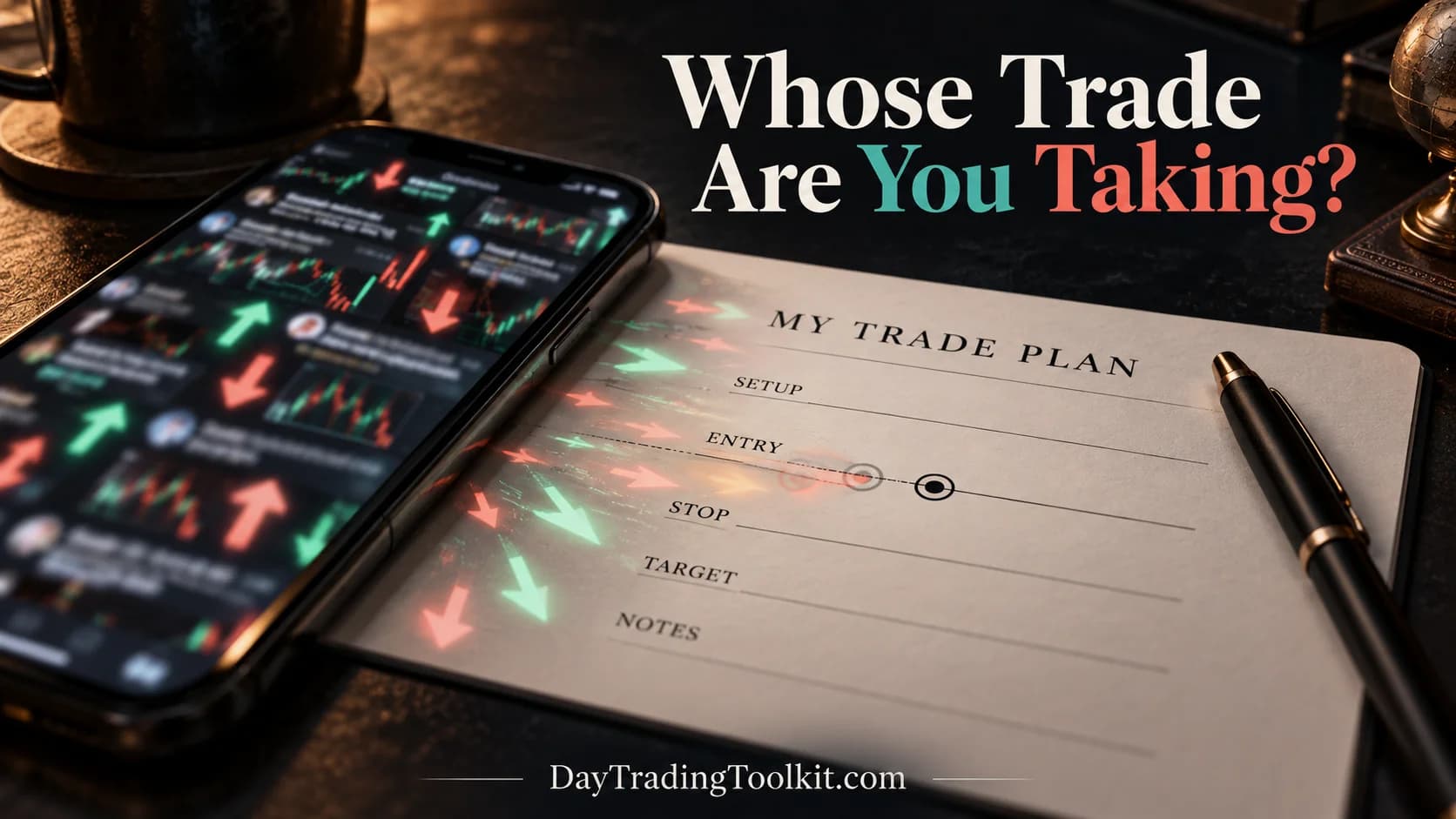
Social media is destroying your trading decisions. Research on FOMO loops, gamified apps, the highlight reel effect, and a social media audit.
Put it into practice
Trading discipline is following a written plan when the market tempts you to break it. It comes from routines and systems rather than willpower: a pre-market checklist, fixed rules for entries and exits, process goals, and a journal that shows when and why a rule was broken.
Why 97% of day traders fail — and it's not strategy. Ego depletion research and the systems that replace willpower with structure.
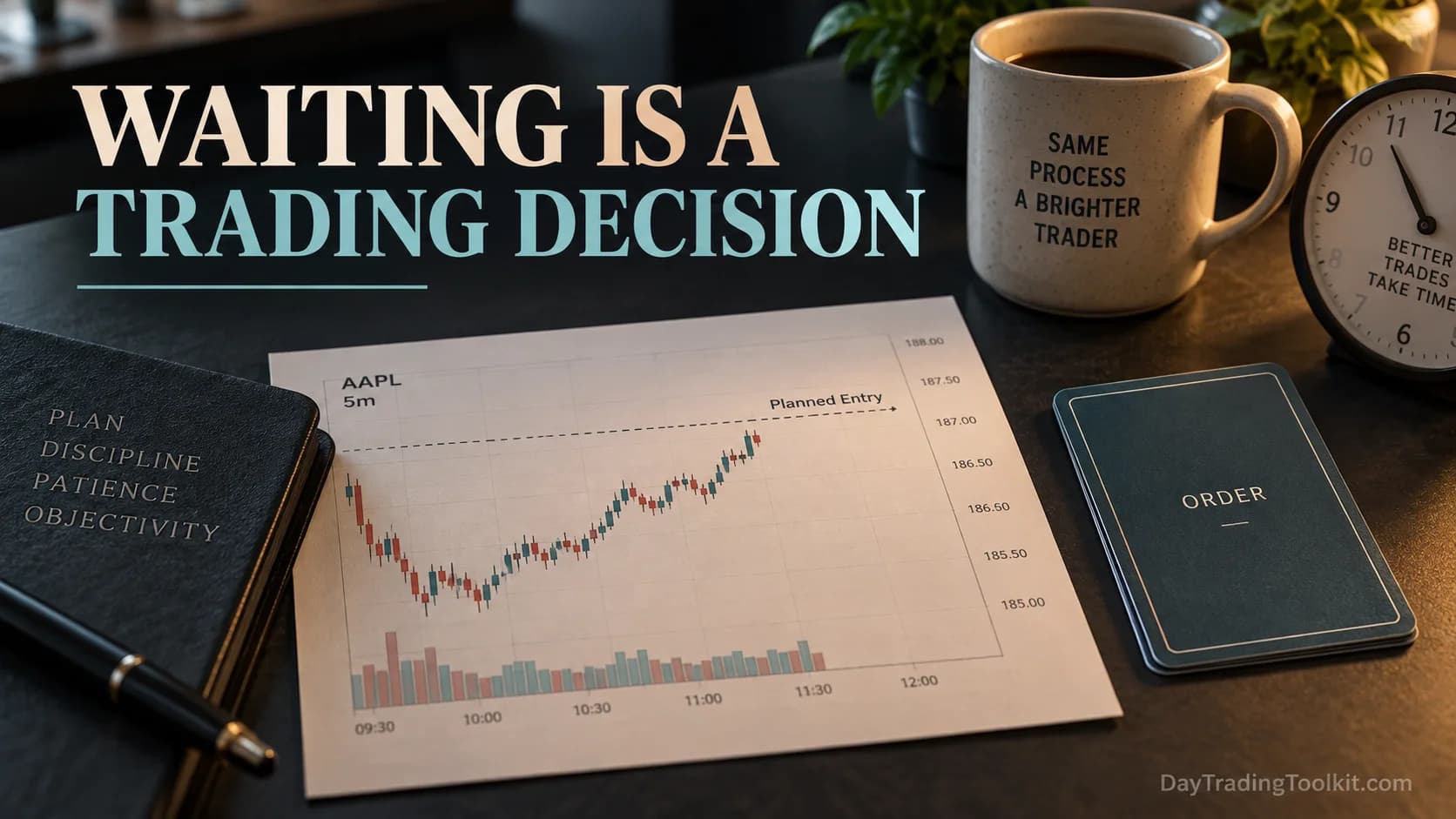
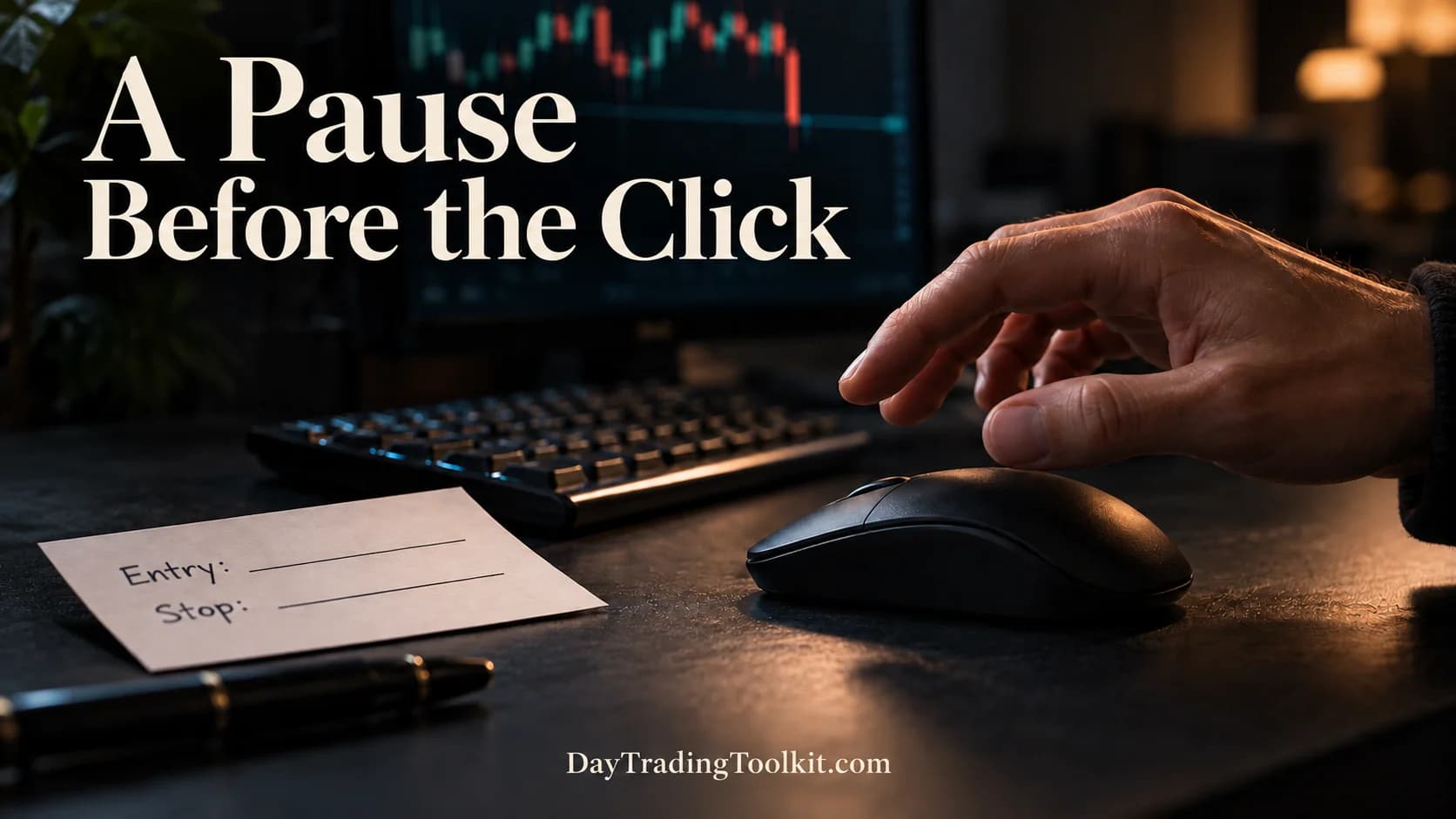
The trades you don't take earn more than the ones you chase. Research-backed patience training, the objectivity framework, and why selectivity beats activity.
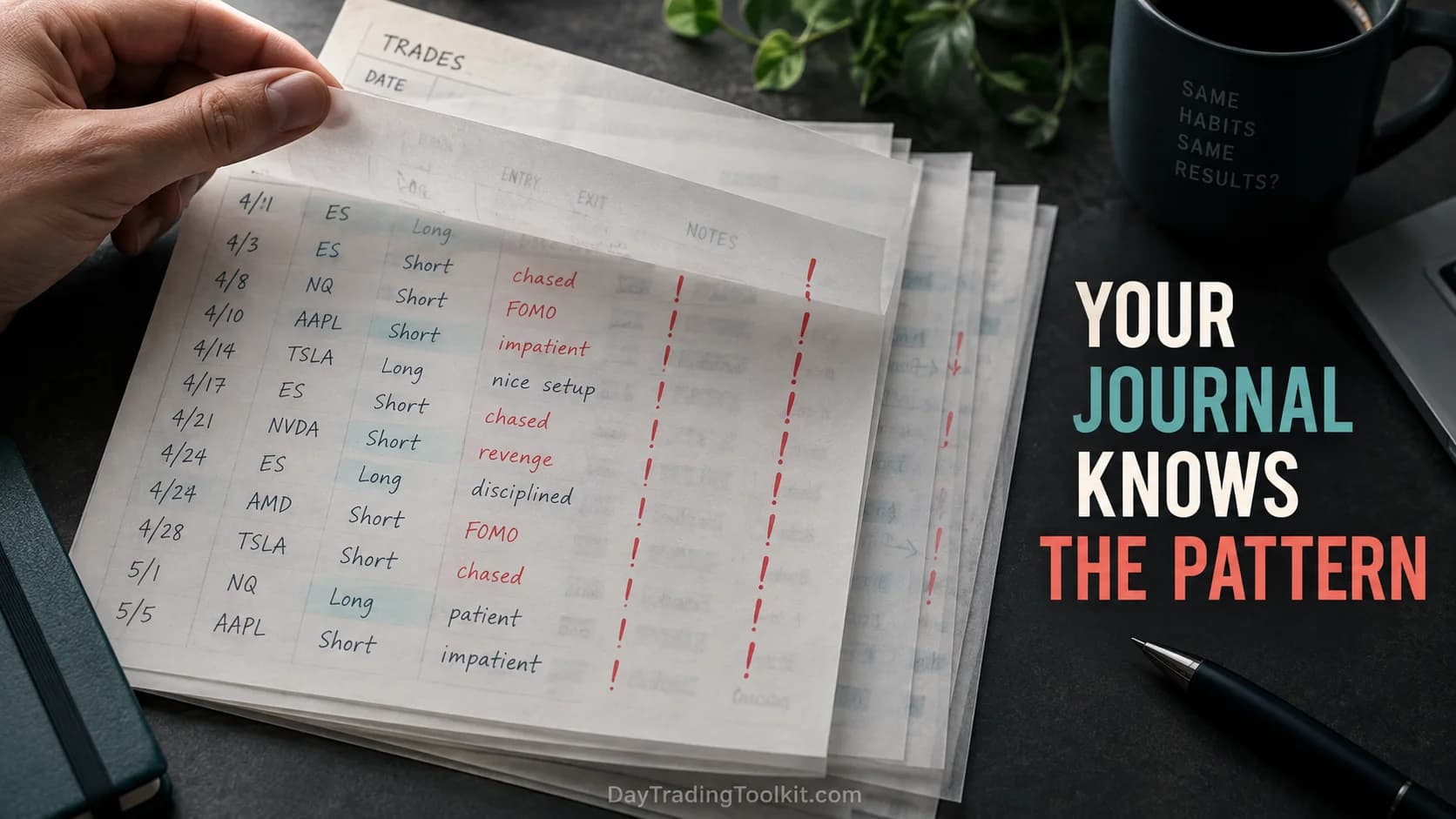
Your trading journal is a psychological intervention tool, not a spreadsheet. The 7 fields that diagnose your biases and how to read your behavioral data.
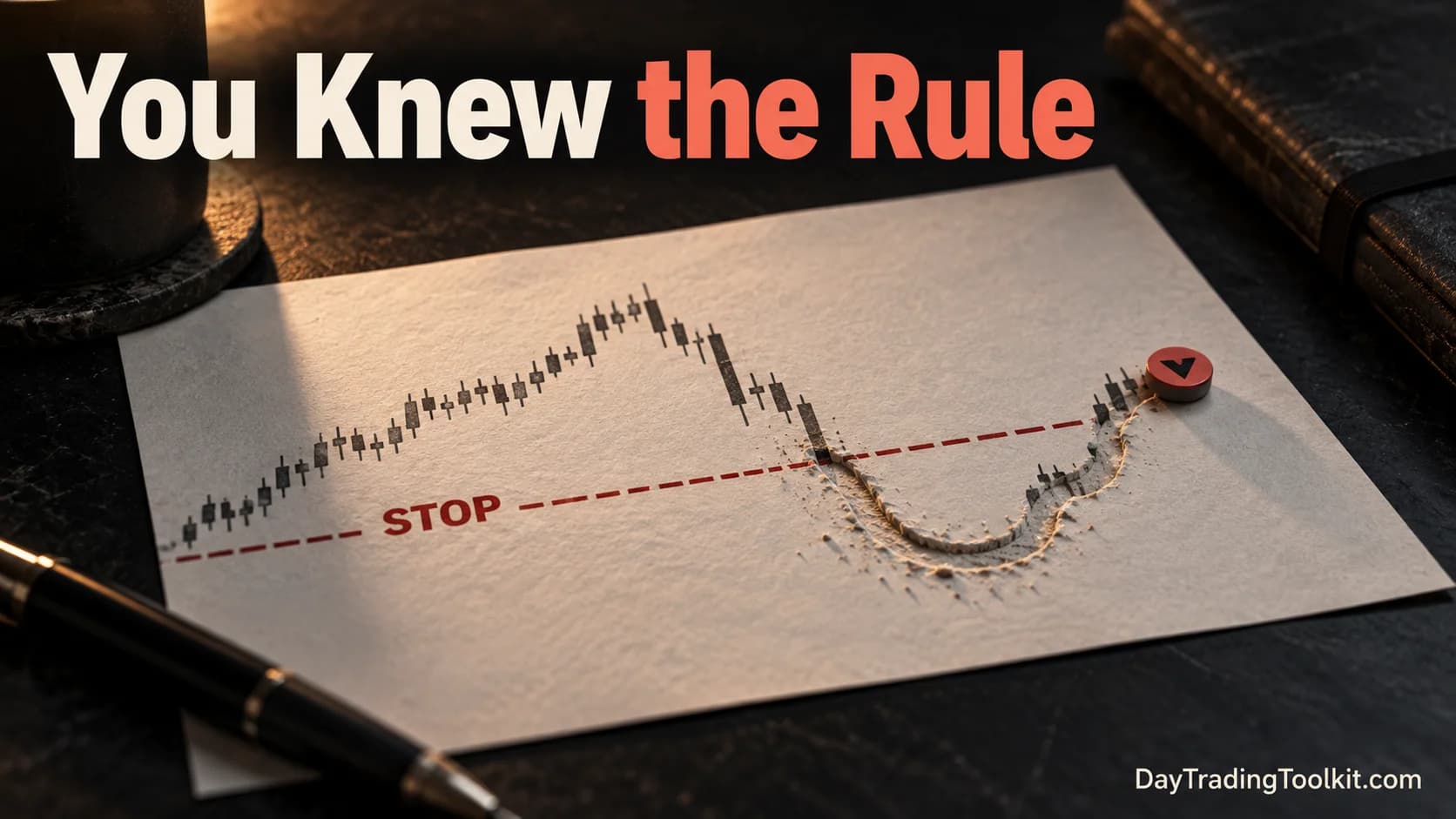
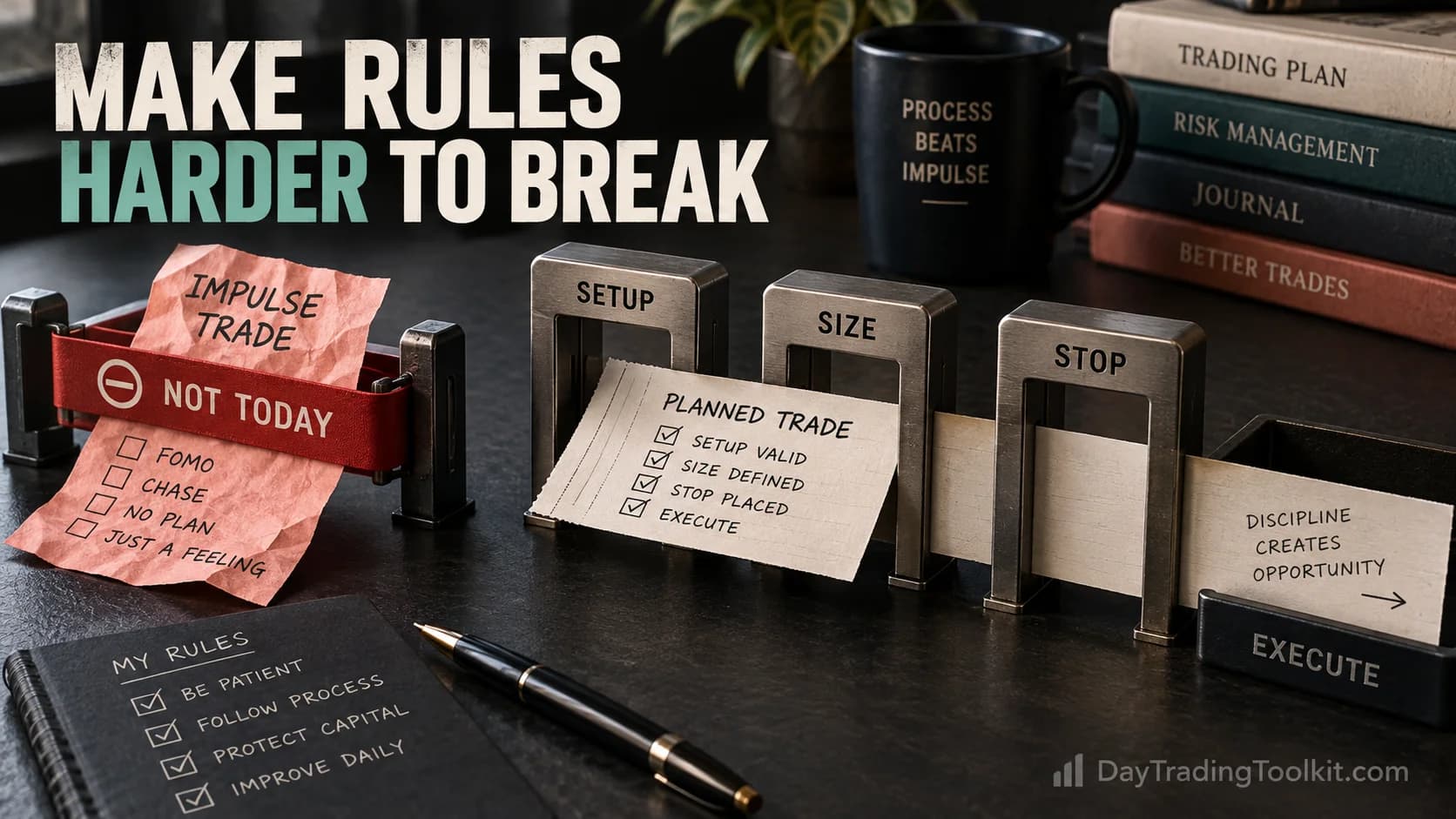
You know your rules. You break them anyway. The psychology of trading self-sabotage, its 4 sources, and the if-then framework that closes the gap.
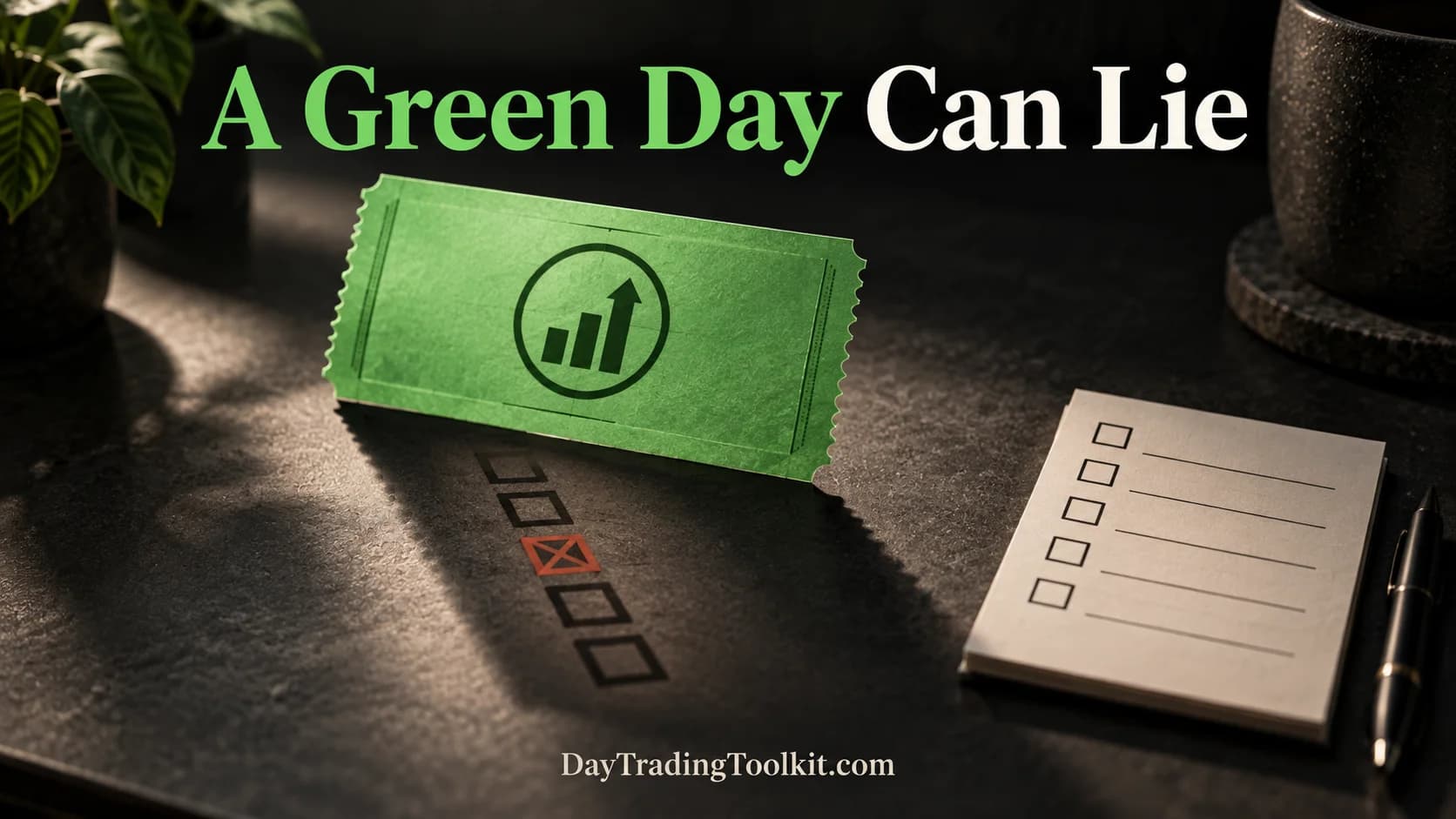
Elite traders measure execution quality, not P&L. Learn the process goal framework and why tracking behavior beats tracking dollars.
Does mindfulness meditation improve trading performance? We review the neuroscience, real studies, and practical techniques — plus the limitations.
Put it into practice
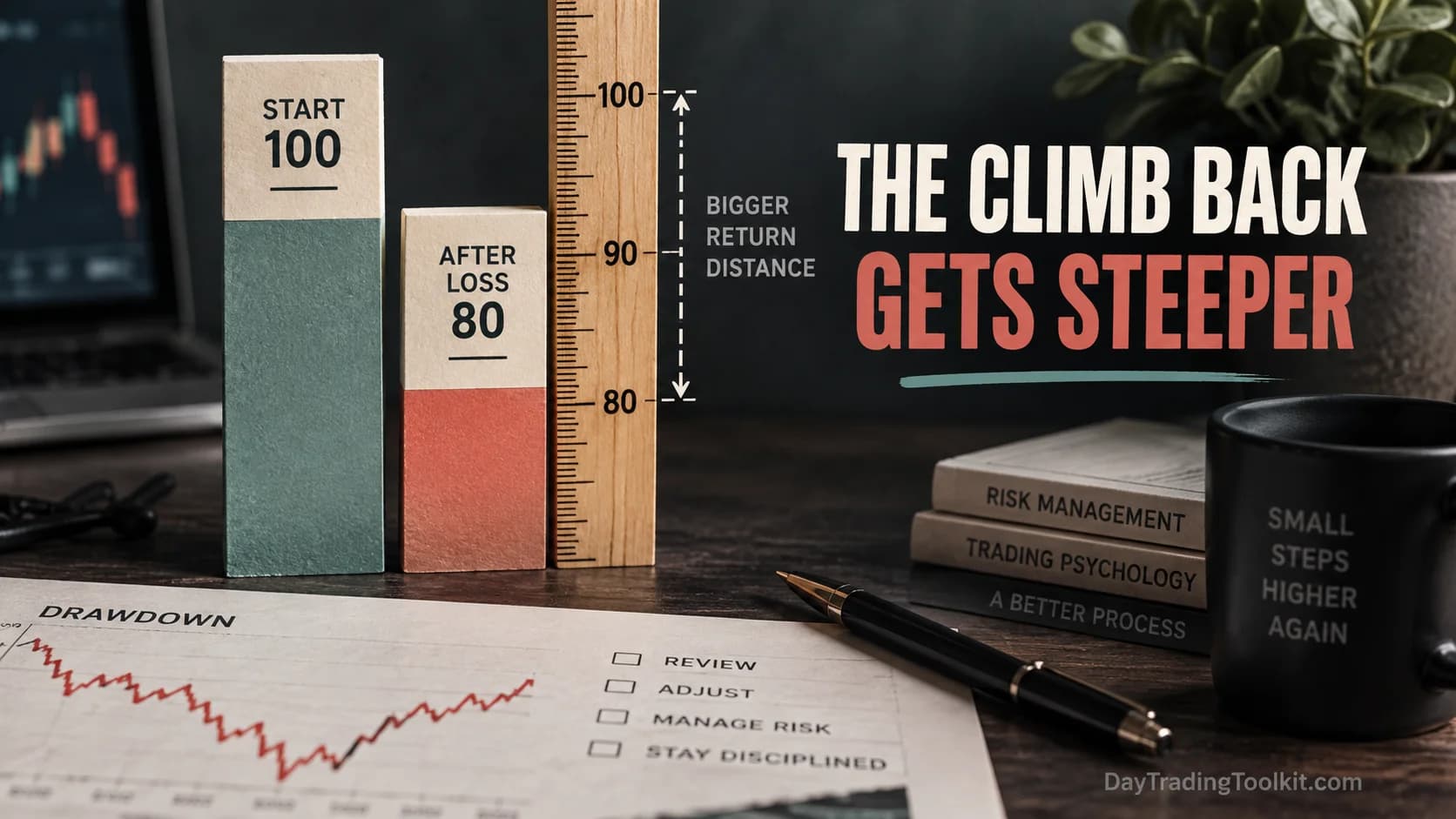
A drawdown is the fall in an account from its peak to its lowest point before a new high. Losing streaks happen even with a profitable strategy; most of the damage comes from what traders do next, such as trading bigger to win the money back. These guides cover how to limit a loss, reset and rebuild confidence.
How pro traders survive losses and drawdowns without spiraling. The science of why losses hurt and a structured protocol to get back on track.
Resilience separates traders who last from those who quit. The psychology of grit and growth mindset, applied to trading with practical frameworks.
Losing streaks destroy confidence — but confidence is rebuildable. The psychology of self-efficacy and a structured protocol to get your edge back.
Put it into practice
Risk management sets how much you can lose on a trade, in a day and across the account before you place an order. It covers risk per trade, stop-loss placement, position sizing from the distance to the stop, and the reward-to-risk ratio a setup needs to be worth taking.
Beyond the 1% rule: risk of ruin math, Kelly Criterion, ATR-based sizing, and dynamic risk scaling. The advanced frameworks pro traders actually use.
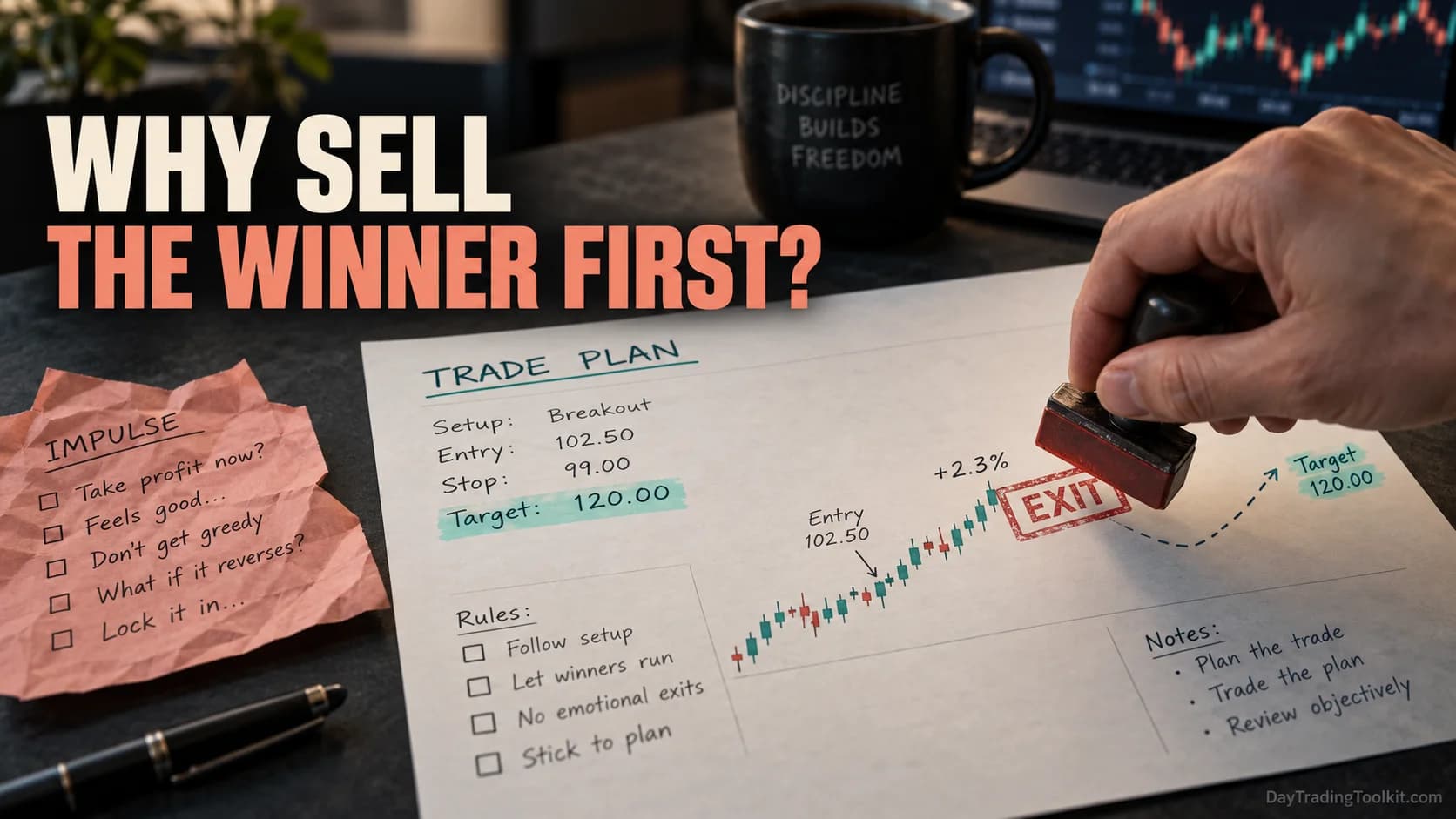
The disposition effect costs traders 3-5% annually. Learn why you sell winners too early and hold losers too long, plus a self-audit to fix it.
Why increasing position size breaks most traders. The neuroscience of why bigger numbers feel different, plus a graduated protocol for sizing up safely.
Put it into practice
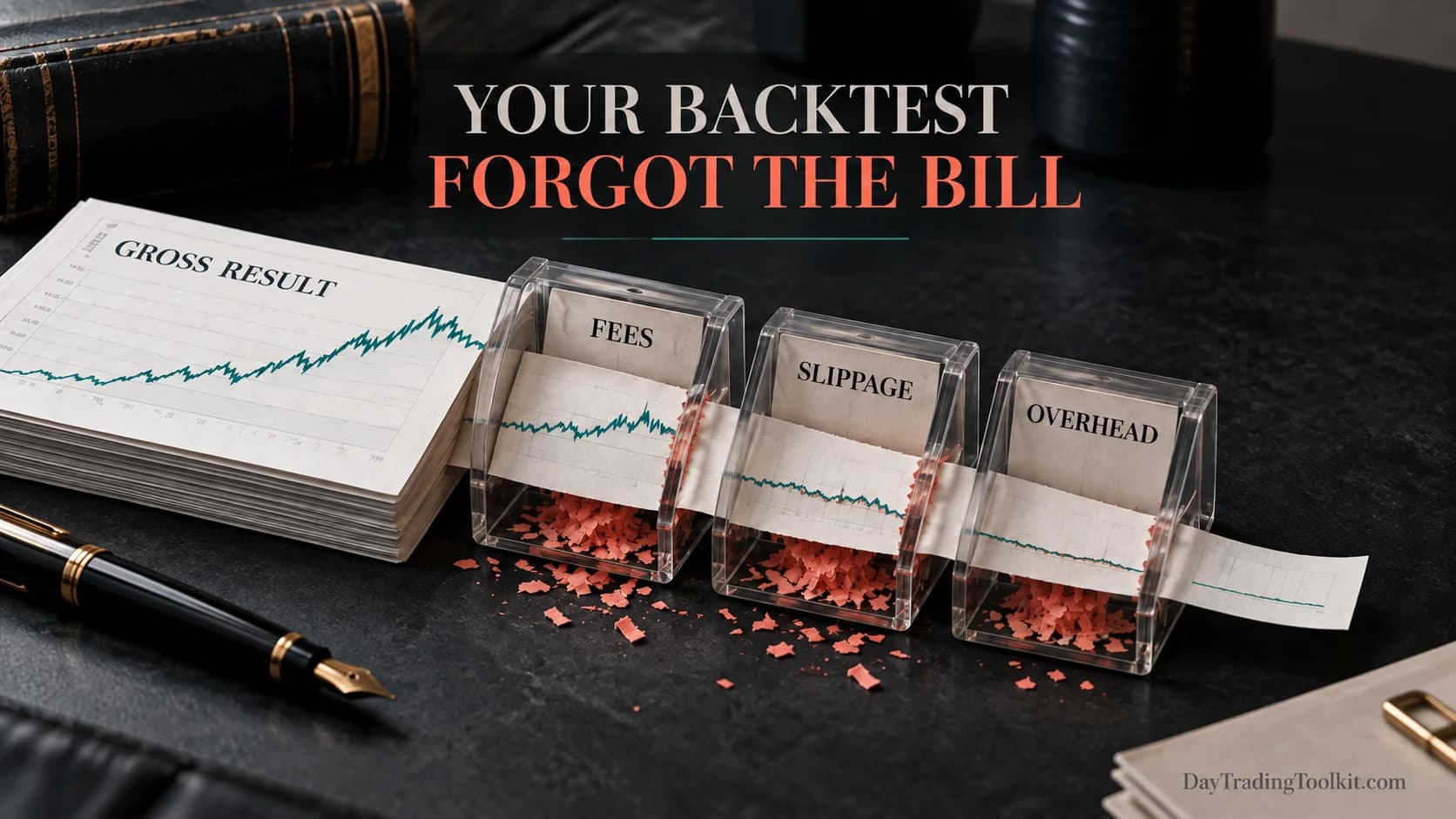
AI tools and trading bots can scan, backtest and place trades, but they bring risks of their own: backtests that leave out slippage and fees, models that stop working when market conditions change, and scams that use the word AI to sell guaranteed returns. These guides show how to check a claim before trusting it with money.
Discover the real automated trading costs that backtests ignore — algo fees, slippage, latency, and data costs — to understand your true profitability.
Discover 7 research-backed AI trading risks that could destroy your account. From hallucinations to hidden costs, learn what the hype won't tell you.
Protect your capital from AI trading scams. Real SEC & FTC cases, 7 scam archetypes, and our 3-Layer Verification Framework to stress-test any AI trading claim.
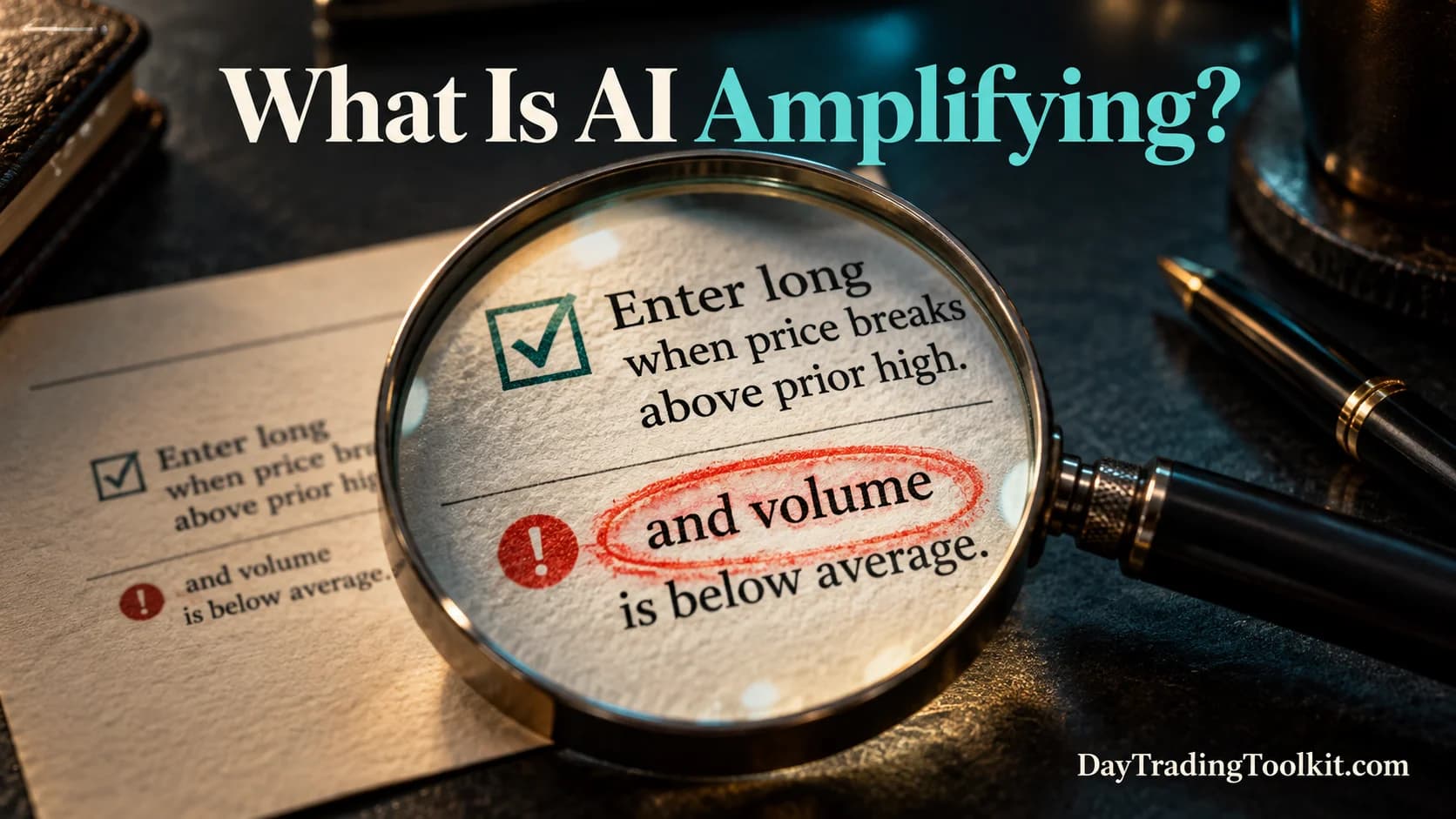
AI amplifies your trading habits—good and bad. Discover the 5 foundation skills you must build before AI tools become genuinely useful. Research-backed guide.
Put it into practice
Stress, fatigue and poor sleep all lower the quality of trading decisions. These guides cover day trading around a full-time job, the first months of live trading, how your trading environment affects performance, burnout, and the warning signs that trading has become compulsive.
Trader burnout is real, measurable, and preventable. The WHO-classified burnout framework adapted for trading, plus a sustainability protocol that works.
When day trading crosses from passion to compulsion. The DSM-5 criteria mapped to trading behavior, plus evidence-based paths to recovery.
Day trading while holding a full-time job creates unique pressure. Decision fatigue research, realistic schedules, and when to keep your paycheck.
Your first 90 days of live trading are where habits form and accounts are most vulnerable — plus a week-by-week survival framework.
Your trading setup isn't just comfort — it's a performance variable. Research shows environment affects decision quality by up to 50%. Optimize yours.
Put it into practice
Four rules the guides on this page keep coming back to. Write them down before the session starts.
A common guideline is to lose no more than 1% of the account on any single trade, so a run of losses cannot take the account out of the game.
Work out the number of shares from the distance between entry and stop, not from how confident you feel. A wider stop means fewer shares for the same dollar risk.
Pick a maximum loss for the day, such as two or three times your risk per trade, and stop trading once you reach it.
At a 1:2 reward-to-risk ratio, a strategy breaks even winning about one trade in three, before costs. Check the target is realistic before taking the trade.
Put the rules into numbers
The free position size and risk/reward calculators turn your account size, risk per trade and stop distance into a share size and a target in seconds.
Trading psychology is how emotions, biases and habits affect a trader's decisions. Fear leads to missed entries and early exits, greed leads to oversized or late entries, and biases such as loss aversion make traders hold losing trades too long. Good trading psychology means following a written plan the same way after a win as after a loss.
Revenge trading is taking impulsive, often larger trades to win back a loss quickly, and it usually makes the loss worse. It is stopped with rules set in advance: a daily loss limit, a required break after a set number of losing trades, and no increase in position size after a loss.
The 1% rule caps the loss on any single trade at 1% of the trading account. With a $30,000 account, the most you can lose on one trade is $300. The position size then comes from the stop: $300 of risk with a $0.60 stop allows 500 shares.
A common guideline is 1% of the account or less per trade, and many newer traders risk less while they learn. The exact figure matters less than keeping it fixed, so that a streak of losing trades costs a limited, known share of the account.
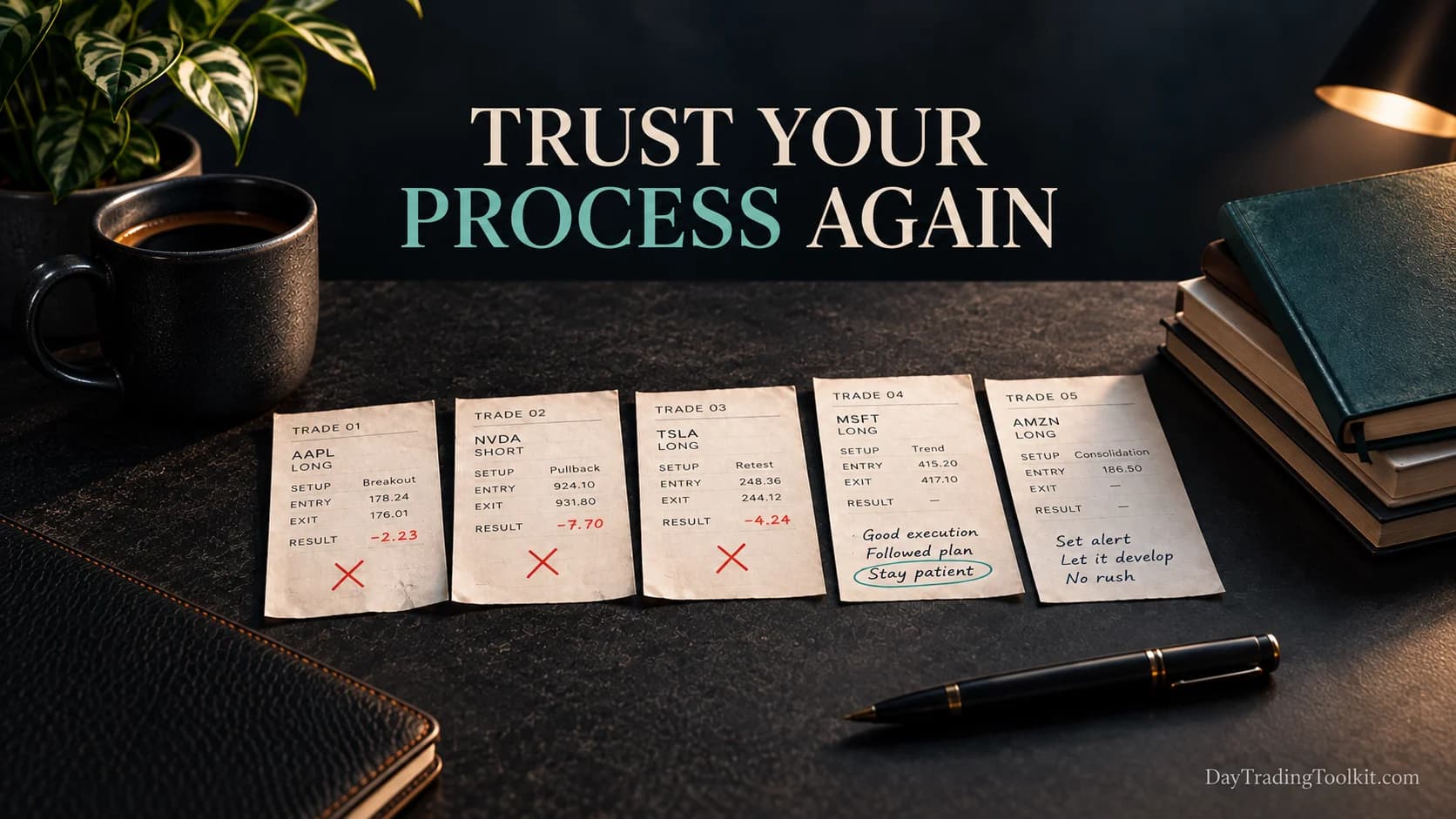
Stop and review before trading again, and check whether the losses came from broken rules or from normal variance in a strategy that still works. Reduce position size while confidence rebuilds, trade only your clearest setups, and return to full size after a run of trades that followed the plan.
Yes. Trading can become compulsive in the same way as gambling: chasing losses, trading more to feel the same excitement, hiding losses from family, or being unable to stop despite the harm. Stepping away and speaking with a doctor, a counselor or a problem gambling helpline can help.